
Frontahead Of, at the Front, Before, in Front Ofmuapreposition in New Zealand Sign Language (NZSL)
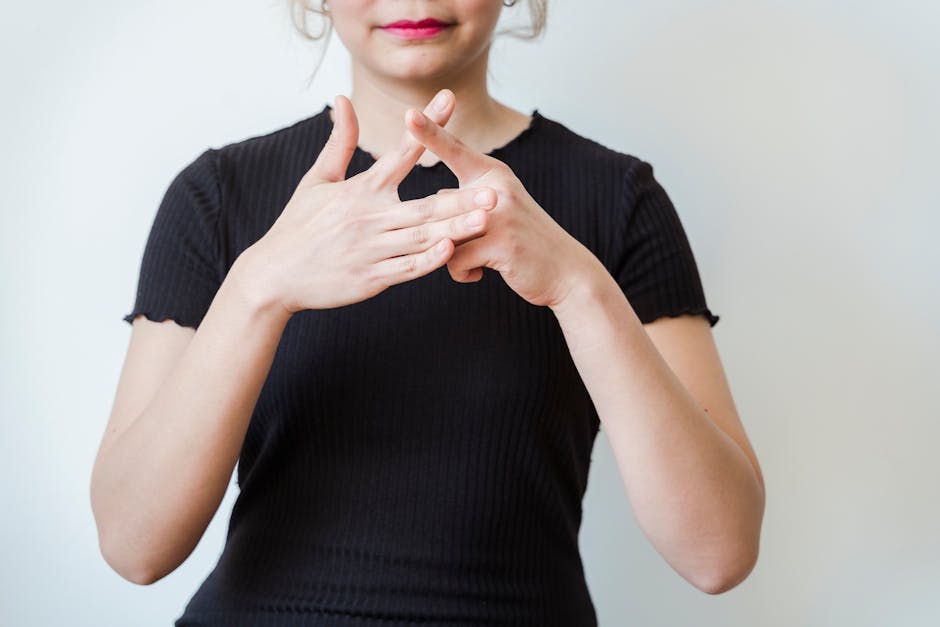
The NZSL sign for “front” or “in front of” is used to indicate position and direction. It’s a versatile sign that comes in handy during conversations, whether describing someone’s location or the order of events. This sign reflects the rich visual nature of NZSL, which became an official language of New Zealand in 2006 and incorporates unique elements from both British Sign Language (BSL) and te reo Māori.
Table of Contents
How to Sign “Frontahead Of, At The Front, Before, In Front Ofmuapreposition” in NZSL

- Start with your dominant hand in a flat shape (similar to an open hand). The fingers should be together and extended.
- Position your hand approximately in front of your body, at about waist height.
- Move your hand slightly forward in the direction you are indicating, while keeping your palm facing upwards.
- Maintain a neutral facial expression, but you can add a slight forward lean of your body to emphasize the movement.
Common Mistakes
- Not moving the hand forward enough, which can make the sign unclear.
- Using a fist instead of a flat hand shape, which alters the meaning.
- Failing to maintain eye contact or a neutral expression, which can affect clarity in communication.
NZSL vs ASL
In NZSL, the sign for “front” involves a flat hand moving forward, while in American Sign Language (ASL), a similar concept is often conveyed with a different hand shape and movement. This highlights the unique characteristics of NZSL, which reflect its cultural context and influences.
Related Signs
- (All Of) You – Referring to a group of people.
- (Be) Careful – A sign emphasizing caution.
- (Be) Born, (Give) Birth – Related to the concept of beginnings.
Frequently Asked Questions
How can I use this sign in a sentence?
You might say, “The dog is in front of the house,” using this sign to indicate the dog’s position relative to the house.
Are there regional variations of this sign in NZ?
While the sign is generally consistent across New Zealand, some regions may have slight variations in movement or emphasis.
What are similar signs in NZSL?
Signs like “behind” or “next to” are often used in conjunction with this sign to describe relative positioning.
Any tips for learning this sign?
Practice in front of a mirror to ensure your hand shape and movements are correct. Watching native signers can also be very helpful.
Can this sign be used in formal settings?
Yes, this sign is appropriate for both casual and formal conversations when discussing positions or directions.
Is facial expression important in NZSL?
Absolutely! Facial expressions add meaning and context to signs, making communication clearer.
Practice This Sign
Try signing Frontahead Of, At The Front, Before, In Front Ofmuapreposition with your camera and get AI coaching on your handshape, movement, and location.
Free · No signup required