
Important in Sign Language (ASL)
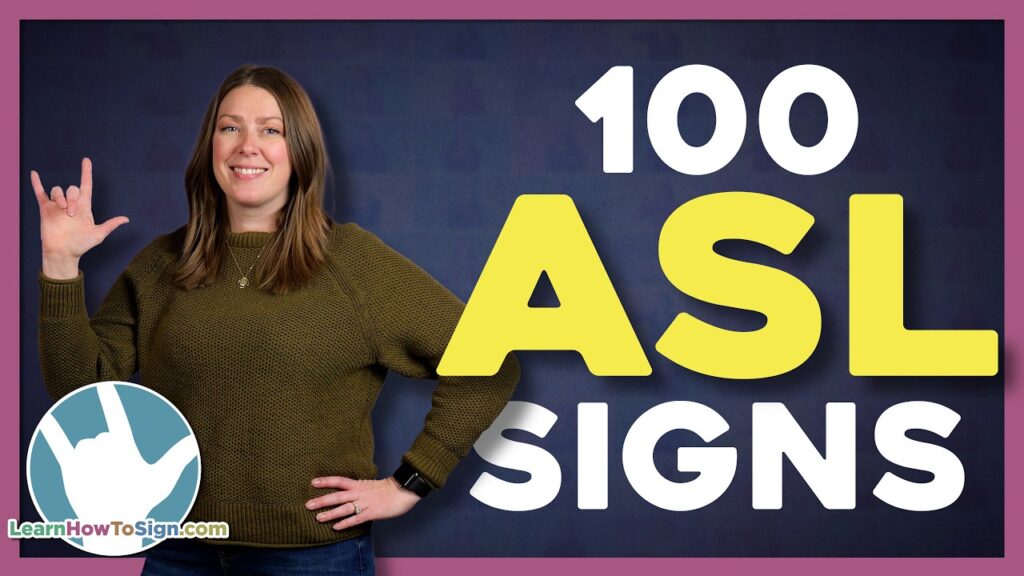
The sign “Important” conveys the significance or urgency of something. It is often used in contexts where one needs to emphasize the necessity or value of information, tasks, or events. This sign can also express feelings about priorities or key issues in conversations.
[VIDEO_PLACEHOLDER]
Table of Contents
Forming the sign
- Handshape: The dominant hand forms the letter “I” in ASL, which means the pinky finger is extended upwards while the rest of the fingers are folded down.
- Location: The sign is made in front of your chest, around the heart area, which symbolizes the emotional weight or importance of the subject.
- Movement: The sign begins with a slight downward movement followed by an upward motion, as if elevating the significance of the concept being discussed.
- Non-manual signals: Incorporate facial expressions that reflect seriousness or emphasis, such as furrowing your brow or widening your eyes slightly to indicate that what you are saying is of great importance.
This sign helps convey the weight of the information being shared, making it clear that it should be taken seriously. Understanding the movement and placement will enhance the effectiveness of the sign when used in conversation.
Adding degree & emphasis
To indicate varying levels of importance, you can modify the intensity of your facial expressions or the strength of the sign’s movement. For example, if something is very important, you might make a more pronounced upward motion with your hand, or your facial expression could show greater concern or urgency. If something is less important, the sign can be made lighter and quicker.
Pairing “Important” with other signs
The sign “Important” can be effectively combined with various other signs to provide context. For instance:
- Meeting – “Important meeting” can be expressed by signing “important” followed by “meeting.”
- Remember – You might say “important to remember” by signing “important” and then “remember.”
- News – Using “important news” signifies that the information you are sharing has significant value.
Common confusion with a similar sign
Some learners might confuse the sign “Important” with “Urgent.” While both convey a sense of necessity, “Important” highlights significance, whereas “Urgent” focuses on time sensitivity. It’s essential to pay attention to the context in which these signs are used, as well as the accompanying facial expressions to clearly convey the intended message.
FAQ
What is the origin of the sign “Important”?
The sign “Important” stems from the visual representation of raising something up, indicating its significance or value in communication.
Can “Important” be used in questions?
Yes, you can use “Important” in questions, for instance, “Is this important?” by altering your facial expression to show curiosity or concern while signing.
How do I practice the sign “Important”?
Practice in front of a mirror to refine your handshape and movements. Pair it with various contexts by signing sentences that include the word “important.”
Are there different signs for “important” in other dialects of ASL?
While the basic sign for “important” tends to be consistent, regional variations may exist. It’s beneficial to learn from native signers to understand any local nuances.
How can I emphasize “Important” in a presentation?
You can emphasize “Important” by maintaining strong eye contact, using a firm handshape, and incorporating dramatic facial expressions to convey urgency and seriousness.
Practice ASL Signs
Use your camera to practice signs and get real-time AI feedback on your technique.
Free · No signup required