
From (time) On in New Zealand Sign Language (NZSL)
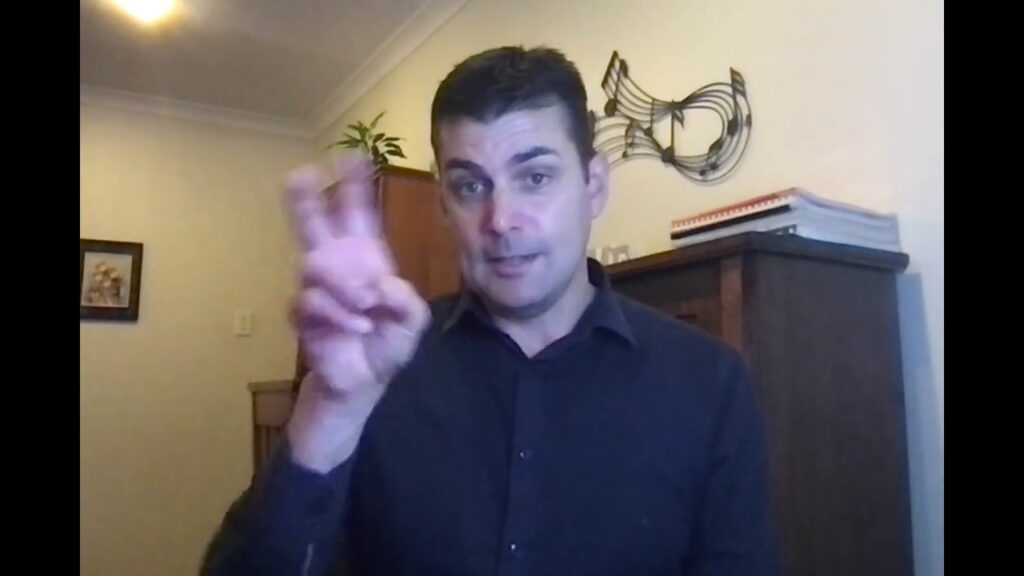
The sign for “from (time) on” is used to indicate the starting point of an action or event in the future. It’s commonly used in conversations about schedules, plans, or timelines within the New Zealand Deaf community. This sign helps clearly convey when something will begin and is essential for effective communication.
Table of Contents
How to Sign “From (Time) On” in NZSL
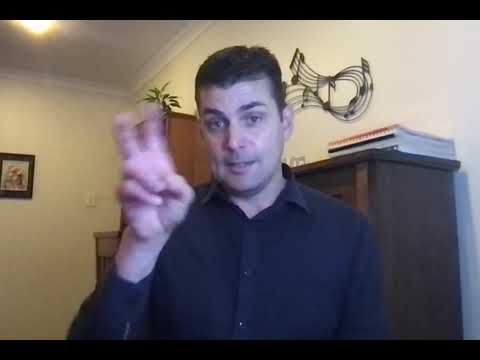
- Start with your dominant hand open and palm facing forward, fingers extended.
- Position your hand in front of your body, at about waist height.
- Move your hand slightly forward and upwards, while maintaining the open hand shape.
- As you move your hand, slightly raise your eyebrows to indicate the action is future-focused.
- Finish the movement by bringing your hand to a stop, keeping it slightly in front of you to emphasize the starting point.
Common Mistakes
- Forgetting to raise eyebrows, which is important for indicating the future aspect of the sign.
- Using a fist instead of an open hand, which can change the meaning of the sign.
- Not moving the hand forward enough, making it unclear when the action starts.
NZSL vs ASL
In NZSL, the sign for “from (time) on” has a unique handshape and movement that differs from ASL. While ASL might use a different hand configuration and approach, NZSL incorporates distinct influences from both BSL and te reo Māori, reflecting our cultural landscape.
Related Signs
- (All Of) You: A sign for addressing a group.
- (Be) Careful: A sign warning someone to be cautious.
- (Be) Born, (Give) Birth: A sign relating to childbirth.
- (Baby’S) Dummy: Refers to a pacifier for infants.
- (Be) Passive: Indicates a state of inaction or passivity.
Frequently Asked Questions
How do I use “from (time) on” in a sentence?
You might say, “From 3 PM on, I will be available.” In NZSL, you would sign the time first, followed by the sign for “from (time) on.”
Are there regional variations in signing this?
Most regions in New Zealand use the same sign, but some local variations may exist. It’s best to observe local users for specific nuances.
What is a similar sign in NZSL?
A similar sign is “until,” which indicates a stopping point rather than a starting point. The hand movement is crucial in differentiating between them.
What tips do you have for learning this sign?
Practice in front of a mirror to ensure your hand shape and movement are correct. Watching native signers can also help you learn the nuances.
Can I use this sign in formal settings?
Yes, this sign is appropriate for both casual and formal settings, especially when discussing timelines or schedules.
How does this sign relate to other time-related signs?
This sign is specifically for indicating the starting point in time, while others, like “until,” focus on endings. Understanding the context is key.
Practice This Sign
Try signing From (Time) On with your camera and get AI coaching on your handshape, movement, and location.
Free · No signup required