
Sign Language in Sign Language (ASL)
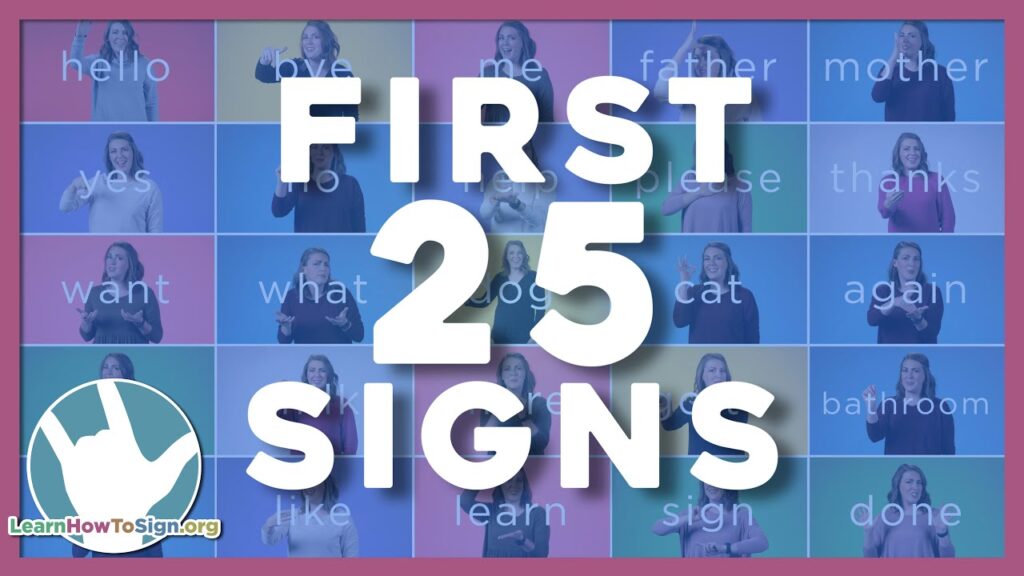
Sign Language refers to a visual-gestural language used by Deaf communities to communicate with one another. It encompasses a variety of hand signs, facial expressions, and body language that convey meaning without relying on spoken words. This form of communication is rich and expressive, allowing users to share thoughts, ideas, and emotions effectively. Sign Language is not a universal language; different countries and regions have their own unique sign languages.
[VIDEO_PLACEHOLDER]
Table of Contents
How to form the sign
- Handshape: Use the letter “S” handshape. This involves making a fist with your dominant hand, with the thumb wrapped around the front.
- Location: Position your dominant hand at the side of your forehead, with your palm facing forward.
- Movement: Move your hand outward from your forehead in a small arc, while maintaining the “S” handshape.
- Non-manual signals: Raise your eyebrows slightly as you begin the sign and then relax your face as you finish the movement.
When signing “Sign Language,” the movement away from your forehead emphasizes the concept of expressing language visually. The expression on your face enhances the communication, indicating that you are communicating about language itself.
Using “Sign Language” in sentences
Here are a few examples of how to incorporate “Sign Language” into sentences:
- “I am learning Sign Language to communicate better with my friends.”
- “Sign Language is a beautiful way to express emotions.”
- “At the event, they offered classes in Sign Language for beginners.”
Signs related to “Sign Language”
Here are some signs that are commonly associated with or relevant to Sign Language:
- Communication – The act of exchanging information or expressing thoughts.
- Deaf – Referring to individuals who have significant hearing loss.
- Teach – Relating to the process of providing knowledge about Sign Language.
- Learn – The action of acquiring knowledge of Sign Language.
- Fingerspelling – A technique used within Sign Language to spell out words using hand shapes.
Where this sign comes from
The concept of Sign Language has a rich history that dates back to early forms of communication among Deaf individuals. The first formal sign language, French Sign Language (LSF), emerged in the early 18th century, and its influence can be seen in many modern sign languages, including American Sign Language (ASL). ASL began to develop in the early 1800s in the United States, where it incorporated elements from LSF, regional signs, and local dialects, resulting in a unique and fully-fledged language used today by the Deaf community.
Common confusion with a similar sign
Some learners may confuse “Sign Language” with signs for “speak” or “talk.” It’s important to pay attention to the handshape and movement when signing these concepts, as they differ significantly. “Sign Language” uses the “S” handshape moving outward from the forehead, while “speak” typically uses the flat handshape in front of the mouth. Practicing these signs in context can help solidify understanding and prevent mix-ups.
FAQ
What is the difference between Sign Language and spoken language?
Sign Language uses visual-gestural communication and is structured differently from spoken language, which relies on auditory sounds. Sign Language has its own grammar and syntax.
Can everyone learn Sign Language?
Yes, anyone can learn Sign Language regardless of hearing ability. Many hearing individuals learn Sign Language to communicate with Deaf friends or family members.
Are there different types of Sign Language?
Yes, there are many different types of Sign Languages across the world, such as British Sign Language (BSL), Auslan, and International Sign, each with its own unique signs and rules.
Is Sign Language universal?
No, Sign Language is not universal. Different countries and regions have their own distinct sign languages, complete with unique vocabulary and grammar.
Practice ASL Signs
Use your camera to practice signs and get real-time AI feedback on your technique.
Free · No signup required