
How to Start Learning BSL – First Steps Guide

Figuring out how to start learning BSL often feels like the hardest part. There are courses, apps, videos, and community groups all competing for your attention, and it’s easy to spend weeks researching rather than actually signing. The truth is that starting BSL is simpler than you think — you can learn your first useful signs today and build from there with a clear, practical plan.
Start with the BSL Basics
The BSL manual alphabet is your starting point. It uses both hands to form 26 letters, and you can learn them all from a single YouTube tutorial or alphabet chart. BSL shares this two-handed alphabet with Auslan and NZSL, so learning it opens doors to multiple sign languages. Spend your first few days practising until you can spell your name and common words without pausing.
Numbers 1 to 20 are your next priority. BSL numbers follow a logical pattern and are used constantly — for times, dates, prices, ages, and quantities. Master these alongside the alphabet during your first week. Together, the alphabet and numbers give you functional tools for communicating basic information even before you learn any vocabulary signs.
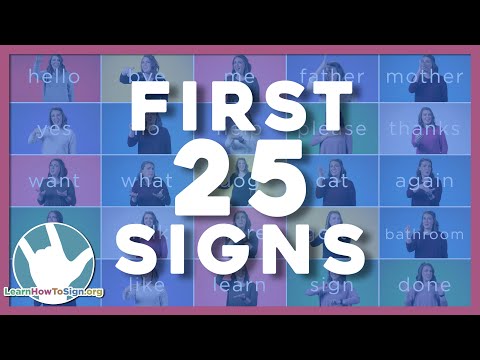
Choose ten everyday signs to learn first. Hello, goodbye, thank you, please, yes, no, sorry, help, good, and bad cover the essentials for polite basic interaction. Look up each sign in BSL SignBank or a YouTube tutorial, practise it in front of a mirror, and use it throughout the day until it becomes automatic.
Understand one critical principle before going further: BSL is not English in sign form. It’s a completely separate language with different grammar, word order, and structure. BSL typically uses topic-comment sentence order (establishing context before action), relies on facial expressions for grammar, and doesn’t include the small function words English uses. Learning this early prevents the common beginner error of trying to sign English word-for-word.
Pick Your Learning Path
If you want a qualification, enrol in a Signature-accredited BSL Level 1 course. These are available at colleges, adult education centres, and online providers across the UK. A typical course runs 20 to 30 weeks with weekly classes, costs £200 to £500, and is taught by a Deaf tutor. This structured path gives you grammar foundations, interactive practice, and a nationally recognised certificate.
If you want flexibility, build your own learning programme from free resources. YouTube tutorials for structured lessons, BSL SignBank for vocabulary reference, social media for daily exposure, and online learner communities for practice. This approach requires more self-discipline but costs nothing and fits around any schedule. It works best when you create your own curriculum rather than jumping between random topics.
If you need BSL urgently — to communicate with a Deaf family member, colleague, or new acquaintance — combine intensive self-study with immediate real-world practice. Learn the signs most relevant to your specific situation first, rather than following a generic curriculum. A parent of a newly diagnosed deaf child needs different vocabulary from someone starting a job with a Deaf colleague.
Practice Makes Perfect
Test your sign language skills with our free practice app.
Whatever path you choose, don’t let analysis paralysis delay your start. The “perfect” learning method matters far less than actually beginning. You can always adjust your approach as you learn what works for you. A learner who starts imperfectly today will always be ahead of someone still researching the best method next month.
Establish Your Practice Routine
Daily practice beats weekly study by a wide margin. BSL is a physical, visual skill that requires motor memory development, and consistent daily repetition builds these neural pathways faster than spaced-out sessions. Commit to at least fifteen minutes daily — attached to a routine you already have, like after breakfast or during your lunch break.
Structure each practice session with three components. Spend five minutes on fingerspelling drills for speed and accuracy. Spend five minutes learning or reviewing vocabulary signs, always practising them in short BSL sentences. Spend five minutes watching BSL content to develop your receptive skills. This balanced approach builds production, comprehension, and grammar simultaneously.
Use a mirror or your phone camera while practising. BSL requires accurate hand positions, movements, and facial expressions that you can’t self-correct without visual feedback. Checking yourself against tutorial videos catches errors before they become habits. This simple practice tool makes a measurable difference in how quickly you develop clean, readable signing.
Track what you learn in a simple vocabulary log. Writing down each new sign with a brief description reinforces memory and gives you a reference for review sessions. More importantly, looking back at your growing vocabulary list provides tangible evidence of progress — essential motivation during the inevitable periods when learning feels slow.
Take Your BSL into the Real World
Don’t wait until you feel “ready” to use BSL with real people. The most effective learning happens in genuine communication situations where you’re motivated to understand and be understood. Your very first conversation with a Deaf person — however basic — teaches you more about real BSL communication than hours of tutorial watching.
Find your local Deaf community and attend an event. The British Deaf Association and regional Deaf associations list clubs and events across the UK. Most Deaf clubs welcome learners warmly. Introduce yourself using the signs you know, explain that you’re learning, and let the interaction flow. You’ll leave with new vocabulary, cultural knowledge, and motivation that no app can provide.
Connect with other BSL learners online and in person. Fellow learners understand the challenges you’re facing and provide non-judgmental practice opportunities. Online BSL communities, local practice groups, and course classmates become your support network. Arrange regular video calls with a practice partner to maintain accountability and interactive practice between other learning activities.
Use your developing BSL skills whenever the opportunity arises. If you see a Deaf person in a shop, try signing instead of defaulting to gesture or writing. If a friend asks about your BSL learning, show them a few signs. Every time you use BSL outside a study context, you strengthen the neural pathways that turn knowledge into spontaneous communication ability. Starting is simple — the ongoing practice is what transforms a beginner into a signer.
Related Articles
Practice ASL Signs
Use your camera to practice signs and get real-time AI feedback on your technique.
Free · No signup required