
1 in Sign Language (ASL)
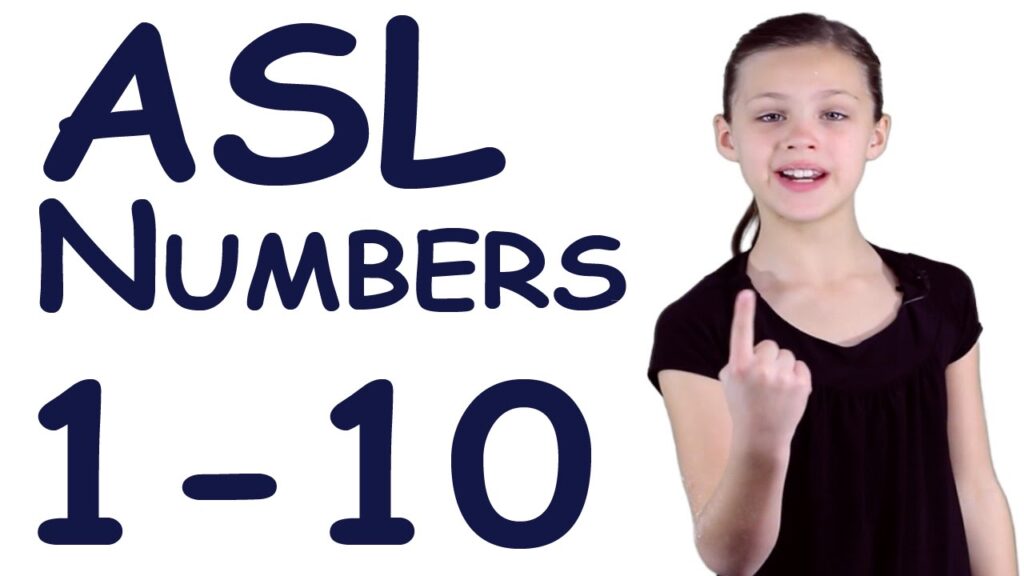
The sign “1” represents the numeral one and is commonly used in various contexts, such as counting, identifying a first choice, or indicating singularity. It is an essential sign in everyday communication within the Deaf community, especially when discussing quantities or choices. Mastering this simple yet fundamental sign helps learners navigate conversations involving numbers and preferences.
[VIDEO_PLACEHOLDER]
Table of Contents
Forming the sign
- Handshape: Extend the index finger while keeping the other fingers curled into the palm. This handshape represents the number one.
- Location: Position your hand in front of you, at about shoulder height, for clear visibility.
- Movement: The sign is made with a stationary hand. There is no movement involved, though you may point with the index finger for emphasis.
- Non-manual signals: Maintain a neutral facial expression or nod slightly when indicating the number one, depending on the context or emphasis needed.
The sign is straightforward and easy to remember, making it one of the first signs taught to beginners. Understanding the handshape is crucial, as it differentiates “1” from other similar signs. Practice holding the position steadily to convey clarity in communication.
Using “1” in sentences
In conversational contexts, “1” can be used to express quantity, rank, or priority. For example, if someone asks how many items you have, you can simply show “1” with your hand. Additionally, it can indicate a preference, such as saying “I want the first option” by signing “1” along with the appropriate signs for “want” and “option.”
Signs related to “1”
Here are some signs that are often used in conjunction with “1”:
- 2 – The sign for the number two, useful for contrasting quantities.
- first – Used to indicate the first item in a sequence or list.
- one more – A phrase indicating the addition of one more item.
- favorite – Often used when indicating a top choice or preference.
Practice tips
To become proficient with the sign “1,” practice in front of a mirror to ensure proper handshape and positioning. Pair your practice with vocal counting to connect the visual sign with the auditory number. Additionally, engage with other learners or fluent signers to receive feedback and correct any habits that may hinder clarity. Regular practice in varied contexts will enhance your comfort and fluency with the sign.
FAQ
What does the sign “1” mean?
The sign “1” represents the number one and is used to denote singularity, ranking, or counting.
How can I use “1” in a sentence?
You can use “1” in sentences like “I have one dog” or “This is my first choice,” emphasizing the number or preference.
Are there any regional variations of the sign “1”?
No, the sign “1” is largely consistent across different regions within the Deaf community in the United States.
What should I avoid when signing “1”?
A common mistake is using the middle finger instead of the index finger. Ensure you are using the correct handshape to represent the number one.
Can I use facial expressions with the sign “1”?
Yes, using appropriate facial expressions can enhance the meaning, especially when indicating emphasis or emotion related to the number.
Practice ASL Signs
Use your camera to practice signs and get real-time AI feedback on your technique.
Free · No signup required