
26 in Sign Language (ASL)
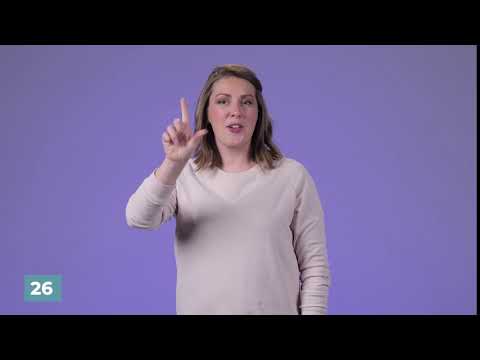
The sign “26” represents the numeric value of twenty-six and is commonly used in various contexts, such as counting, age, or discussing quantities. It is a straightforward and essential sign in American Sign Language, making it a fundamental part of everyday communication. Knowing how to sign numbers is crucial for clarity in conversations, especially when discussing dates, addresses, or other numerical information.
[VIDEO_PLACEHOLDER]
Table of Contents
Forming the sign
- Handshape: Use the dominant hand in a “2” handshape, which involves extending the index and middle fingers while keeping the other fingers curled in.
- Location: Position your dominant hand in front of your body, approximately shoulder height. This is typically where most number signs are made.
- Movement: The sign is static, meaning there is no movement once the handshape and location are established. Simply hold the “2” handshape steady in the designated area.
- Non-manual signals: Maintain a neutral facial expression while signing “26.” There are no additional facial expressions required, but ensure your body posture is attentive to convey clarity.
This sign is simple yet effective for conveying the number 26. It is helpful to practice in front of a mirror to ensure proper handshape and positioning. Additionally, incorporating it into various numerical contexts will enhance your fluency.
“26” in the manual alphabet or number system
The numeral “26” is part of the ASL number system, where each digit is represented with a specific handshape. In fingerspelling, the letter “2” is signed with the “2” handshape, followed by the letter “6,” which is made with an open hand showing six fingers. This demonstrates an essential concept in ASL: combining fingerspelling with number signs to convey information accurately.
Words/quantities you’ll use it for
In everyday communication, “26” can be used in various contexts, such as:
- Age: “I am 26 years old.”
- Quantity: “There are 26 apples on the table.”
- Date: “My birthday is on the 26th of June.”
- Scores: “Our team won by 26 points.”
- Addresses: “I live at 26 Maple Street.”
Practice tips
To become more comfortable with signing “26,” try the following:
- Practice regularly with a partner or in front of a mirror.
- Integrate it into conversations about age, dates, or quantities to reinforce your learning.
- Use visual aids, such as flashcards, to help memorize the sign alongside its numerical value.
Common confusion with a similar sign
Sometimes, learners might confuse “26” with “23” or other similar numbers if proper attention isn’t given to the handshape. Ensure you emphasize the correct finger configuration and practice distinguishing between these numbers. It can be helpful to pair them with visual aids or in a numerical sequence to reinforce the differences.
FAQ
How do I know when to use “26”?
You can use “26” in conversations that involve counting, age, dates, or any numerical context where the number 26 is relevant.
What is the difference between signing “26” and fingerspelling it?
Signing “26” uses a specific number sign, while fingerspelling involves making the shapes for “2” and “6” separately. Both convey the same information but in different ways.
Are there regional variations for signing “26”?
While the sign for “26” is generally consistent, some regional variations may exist based on local dialects within the Deaf community. It’s best to observe and practice with local signers for accuracy.
Can I use facial expressions while signing numbers?
Facial expressions aren’t typically required for the sign “26,” but maintaining a neutral expression helps convey clarity and attentiveness in your signing.
Practice ASL Signs
Use your camera to practice signs and get real-time AI feedback on your technique.
Free · No signup required