
Name in British Sign Language (BSL)

The sign for “name” in British Sign Language (BSL) is used to inquire about or introduce someone’s name. It’s a fundamental part of communication in the UK Deaf community, often used when meeting new people or discussing identities.
How to Sign “Name” in BSL
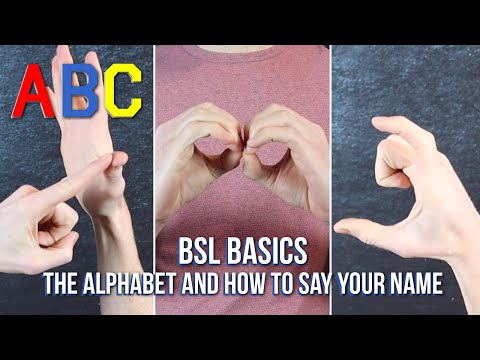
- Start with your dominant hand in a flat ‘B’ handshape (palm facing down).
- Place your hand at the center of your chest, just below your collarbone.
- Move your hand slightly forward and then back to the starting position, while maintaining the flat ‘B’ shape.
- Use a neutral facial expression or a slight smile to convey friendliness. Remember, non-manual features are important for context.
- Optionally, you can sign your name after this to clarify who you are referring to, using the name sign or fingerspelling.
Common Mistakes
- Forgetting to use the appropriate facial expressions, which can change the meaning or tone of the sign.
- Inaccurate handshape—using a closed fist instead of a flat ‘B’ handshape.
- Not maintaining the correct position of the hand, which can lead to confusion about the sign’s meaning.
BSL vs ASL
The sign for “name” in BSL differs from American Sign Language (ASL). In BSL, the flat ‘B’ handshape is used at the chest level, while in ASL, the sign typically involves different handshapes and movements. The focus on facial expressions and the use of space also vary between the two sign languages.
Related Signs
- (Bsl) – Refers to British Sign Language itself.
- 1 – The sign for the number one.
- 10 – The sign for the number ten.
- 100 – The sign for the number one hundred.
- 11 – The sign for the number eleven.
Frequently Asked Questions
How can I use “name” in a BSL sentence?
You can use it in a sentence like, “My name is [your name]” by signing “name” followed by your name sign or fingerspelling.
Are there regional variations for this sign across the UK?
The sign for “name” is generally consistent across the UK, but some regional dialects may incorporate slight variations in movement or facial expressions.
Are there similar signs to “name”?
Yes, signs like “who” and “introduce” are related and often used in the same context.
What is a good tip for learning this sign?
Practice in front of a mirror to ensure your handshape and facial expressions are accurate.
Can I combine this sign with others?
Yes, you can combine it with signs for names and locations to provide more context in a conversation.
What’s the importance of facial expressions with this sign?
Facial expressions convey emotions and nuances in BSL, changing the tone of the sign and helping to clarify the message.
Practice ASL Signs
Use your camera to practice signs and get real-time AI feedback on your technique.
Free · No signup required