
British Sign Language Class Trial — What to Expect

A British Sign Language class trial is the perfect way to test whether a BSL course suits your learning style before committing to a full programme. Many providers across the United Kingdom offer free or low-cost taster sessions that let you experience the teaching environment, meet the tutor, and try your hand at basic signs. If you have been curious about learning BSL but unsure where to start, a trial class removes the guesswork.
What Happens in a BSL Trial Class
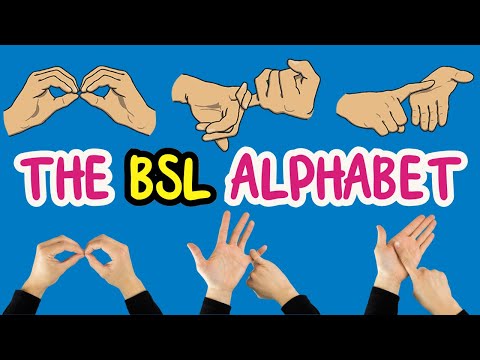
A typical british sign language class trial lasts between one and two hours and introduces you to the basics of BSL communication. Most trial sessions begin with introductions — the tutor will teach you how to sign your name using fingerspelling and introduce common greetings like hello and how to ask someone’s name.
You will likely learn about the visual nature of BSL and why it differs fundamentally from spoken English. Tutors often explain that BSL has its own grammar, word order, and structure, which surprises many newcomers who assume sign language is simply English conveyed through hand gestures.
Interactive activities form the core of most trial sessions. You might practise introducing yourself to other participants, learn signs for colours or numbers, or play simple sign language games designed to build confidence. These activities give you a taste of the interactive, immersive teaching style that characterises quality BSL instruction.
The session usually ends with information about the full course — including schedule, cost, what you will cover at each level, and any qualifications available. There is typically no pressure to sign up immediately, giving you time to reflect on whether the class is right for you.
How to Find Trial Classes
Local colleges and adult education centres are among the most common providers of BSL trial sessions. Many further education colleges across England, Scotland, Wales, and Northern Ireland include BSL in their continuing education programmes and hold open days or taster sessions at the start of each academic term.
Deaf charities and community organisations frequently run introductory workshops. The British Deaf Association, local Deaf clubs, and regional Deaf societies often organise taster events as part of Deaf Awareness Week or ongoing community outreach programmes. These sessions have the added benefit of being connected to the Deaf community.
Private BSL tutors and training companies also offer trial sessions. Many independent tutors provide a discounted or free first lesson to help potential students assess their teaching style. Check local directories, social media groups, and BSL-specific community platforms to find tutors in your area.
Online platforms have expanded access to trial classes significantly. Several BSL course providers now offer virtual taster sessions via video conferencing, making it possible to try BSL learning from anywhere in the UK. This is especially valuable for people in rural areas where in-person classes may be scarce.
Practice Makes Perfect
Test your sign language skills with our free practice app.
Preparing for Your First Session
No prior knowledge is expected at a BSL trial class. You do not need to know any signs, learn the alphabet beforehand, or bring special materials. Come with an open mind, a willingness to participate, and comfortable clothing that does not restrict your arm and hand movements.
Remove rings, bracelets, and bulky watches before the session if possible. Jewellery can obscure hand shapes and make signs harder for others to read. Keep your nails at a reasonable length, as very long nails can interfere with certain finger positions in the BSL manual alphabet.
Arrive a few minutes early to settle in and choose a good seat. In BSL classes, seating is usually arranged in a semicircle or U-shape so everyone can see the tutor and each other clearly. Position yourself where you have a clear, unobstructed view of the tutor’s hands and face.
Bring a notebook if you wish, but be prepared to put it down during interactive activities. BSL learning requires your hands and eyes to be free, so extensive note-taking during signing practice is not practical. Many students jot down vocabulary lists during breaks instead. Learning signs like please and thank you early will serve you well in class interactions.
Evaluating the Class After Your Trial
After your trial session, take time to assess several factors before enrolling in the full course. First, consider the tutor. Were they clear, patient, and engaging? The best BSL tutors are usually Deaf themselves or have extensive experience within the Deaf community. Their signing should be natural and confident.
Evaluate the teaching method. Did the class use a visual, immersive approach, or did it rely heavily on spoken English with signs bolted on? Effective BSL teaching minimises voice and encourages visual communication from the start. This immersive style can feel challenging initially but produces faster progress.
Think about the class size. Groups of eight to twelve students typically offer the best balance of individual attention and peer interaction. Very large classes may limit your practice time, while very small groups may lack the dynamic energy that makes learning enjoyable.
Consider practical factors — timing, location, cost, and commitment level. A class that fits naturally into your weekly schedule is far more sustainable than one that requires significant disruption. BSL learning rewards consistency, so choose a class you can attend reliably every week.
Online Versus In-Person Trials
In-person trial classes offer the advantage of spatial learning. BSL uses the space around your body meaningfully, and being in the same room as a tutor lets you observe and replicate spatial relationships more accurately. You also benefit from immediate physical corrections — a tutor can gently adjust your hand position or demonstrate a sign from different angles.
Online trials provide unmatched convenience. You join from your own home, eliminating travel time and cost. Video conferencing platforms work reasonably well for BSL instruction, though screen size and camera quality can affect how clearly you see detailed hand movements.
The online format does have limitations. Signing in front of a camera requires different spatial awareness than signing in person. Some signs that use depth or forward-backward movement can be harder to read on a flat screen. Additionally, group interactions feel different online — you cannot practise paired activities as naturally as you would face to face.
Many learners find that starting with an in-person trial gives a better first impression of BSL learning, then switching to online classes for convenience once they have established a foundation. Others prefer online from the outset, especially if local in-person options are limited. The best choice depends on your circumstances, but either format can provide an excellent introduction to BSL.
Whatever format you choose, a trial class represents a commitment-free opportunity to explore BSL learning. The Deaf community welcomes new learners, and even a single taster session can open your eyes to the richness of BSL and Deaf culture.
Practice ASL Signs
Use your camera to practice signs and get real-time AI feedback on your technique.
Free · No signup required