
Qualification in British Sign Language (BSL)
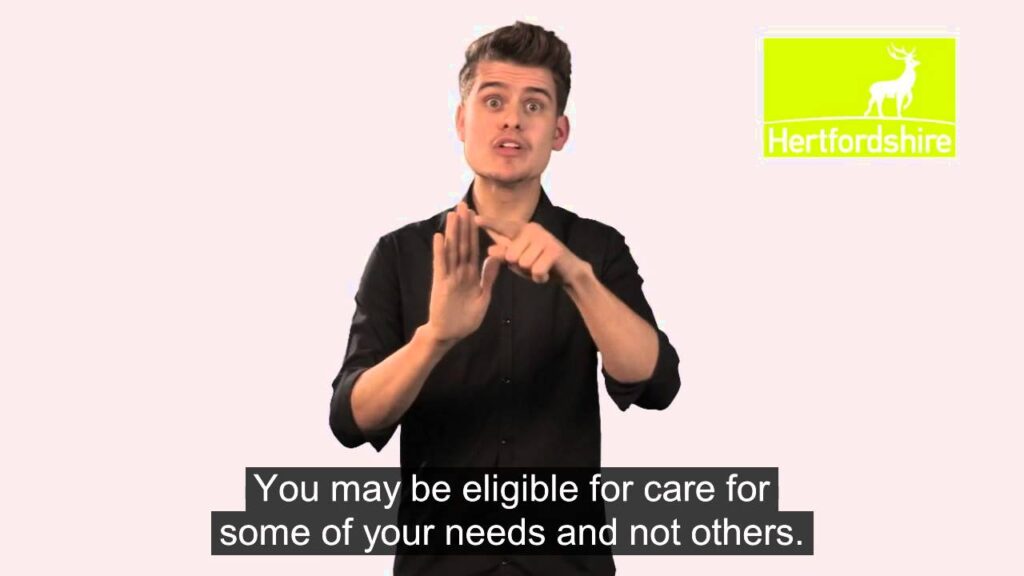
The sign for “British Sign Language qualification” is used in the UK Deaf community to refer to certifications or credentials that demonstrate proficiency in BSL. This sign is commonly used in discussions about education, job requirements, or professional development within the Deaf community.
How to Sign “Qualification” in BSL
- Start with your dominant hand in a flat “B” shape (palm facing down).
- Position your dominant hand in front of your chest, slightly to one side.
- Use your non-dominant hand to form a “Q” shape (with the index finger and thumb forming a circle).
- Place the “Q” hand shape near the base of your dominant hand, then move it upward and slightly away to represent the idea of achieving a qualification.
- Use facial expressions to convey enthusiasm or seriousness, depending on the context.
Common Mistakes
- Forgetting to use appropriate facial expressions, which are important for conveying the meaning and emotion behind the sign.
- Not positioning the hands correctly; ensure the dominant hand is in a flat “B” shape while the non-dominant hand forms the “Q”.
- Rushing the movement; take your time to make the sign clear and understandable.
BSL vs ASL
In BSL, the sign for “qualification” involves specific hand shapes and movements that differ from ASL. While ASL might use a one-handed sign, BSL typically uses both hands to convey the concept more fully, reflecting the unique structure and grammar of BSL.
Related Signs
- (Bsl) – The sign for British Sign Language itself.
- 1 – The sign for the number one.
- 10 – The sign for the number ten.
- 100 – The sign for the number one hundred.
- 11 – The sign for the number eleven.
Frequently Asked Questions
How can I use “qualification” in a BSL sentence?
You can sign “I have a BSL qualification” by signing “I” with a point to yourself, then “have” with a flat hand moving towards your body, followed by the sign for “BSL qualification“.
Are there regional variations for this sign?
While the sign for qualification is generally consistent, some regions may have slight variations in movement or facial expression. It’s good to learn from local signers.
Is there a similar sign for “degree”?
Yes, the sign for “degree” is often made with a similar handshape but involves a different movement. It’s important to learn both signs to differentiate them.
What tips do you have for learning this sign?
Practice in front of a mirror to ensure your hand positions and facial expressions are correct. Watch videos of native signers for guidance.
Can I use this sign in a formal setting?
Yes, this sign is appropriate in both formal and informal settings, especially when discussing qualifications in education or work contexts.
Are there any resources for learning more BSL signs?
Yes, consider visiting local Deaf clubs, attending classes, or using online resources dedicated to BSL learning.
Practice ASL Signs
Use your camera to practice signs and get real-time AI feedback on your technique.
Free · No signup required