
Flexible in New Zealand Sign Language (NZSL)
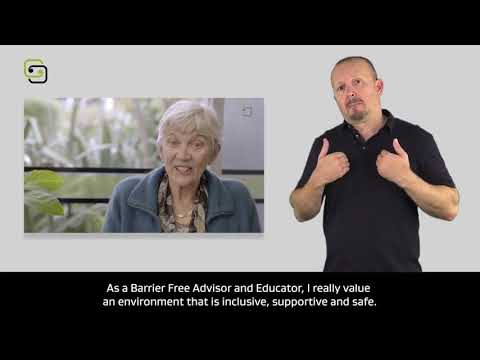
The sign for “flexible” in NZSL conveys the idea of adaptability or being able to bend without breaking, both literally and metaphorically. It’s commonly used when discussing topics like personal traits, work skills, or physical abilities. Being flexible is highly valued in many aspects of life and communication within the NZ Deaf community.
Table of Contents
How to Sign “Flexible” in NZSL
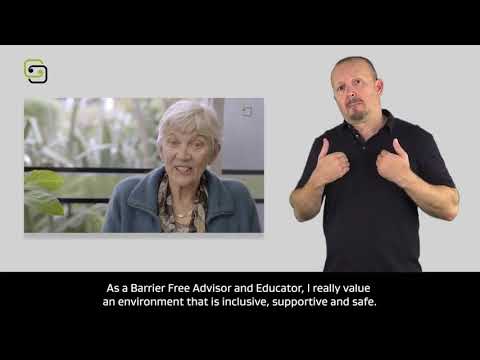
- Start with your dominant hand in a “B” handshape (fingers together, palm facing down).
- Place your hand in front of your body, about chest height.
- Move your hand slightly up and down, bending at the wrist to create a fluid motion.
- Maintain a relaxed facial expression to convey the ease of flexibility.
- Optionally, you can use your non-dominant hand to indicate the concept of “flexibility” by mimicking a bending motion.
Common Mistakes
- Using a stiff handshape instead of the relaxed “B” handshape, which makes the sign look rigid.
- Not incorporating facial expressions, which are crucial in NZSL to convey the meaning effectively.
- Moving the hand too fast or erratically, which can confuse the sign’s meaning.
NZSL vs ASL
In NZSL, the sign for “flexible” differs from ASL (American Sign Language). While ASL might use a different handshape and movement to convey flexibility, NZSL emphasizes fluidity through wrist movements and a relaxed handshape, reflecting cultural nuances in communication.
Related Signs
- (Be) Careful – A sign indicating caution or mindfulness.
- (Be) Passive – Reflects the idea of being non-active or yielding.
- (All Of) You – A sign used to refer to a group inclusively.
- (Baby’s) Dummy – Refers to a pacifier for infants.
- (Be) Born, (Give) Birth – A sign related to the act of birth.
Frequently Asked Questions
How can I use “flexible” in a sentence?
You can say, “I am flexible with my schedule,” signing “I” + “FLEXIBLE” + “WITH” + “SCHEDULE.”
Are there regional variations for this sign in NZ?
While the sign is generally consistent, some regional variations may exist, particularly in more rural areas. It’s best to practice with local users to pick up on any nuances.
What are some similar signs to “flexible”?
Signs like “adaptable” or “change” may have similar meanings. You can explore these related signs to enhance your vocabulary.
What tips do you have for learning this sign?
Practice in front of a mirror to ensure your handshape and movements are correct. Watching fluent signers can also help you grasp the nuances.
Can “flexible” also refer to a person’s character?
Yes, the sign can describe someone who is open-minded and adaptable in various situations, not just in physical terms.
How does “flexible” relate to workplace communication?
Being flexible is a valuable trait in the workplace, indicating a willingness to adapt to new tasks or changes, which can be signed in discussions about job skills.
Practice This Sign
Try signing Flexible with your camera and get AI coaching on your handshape, movement, and location.
Free · No signup required