
Flax (noun) in New Zealand Sign Language (NZSL)
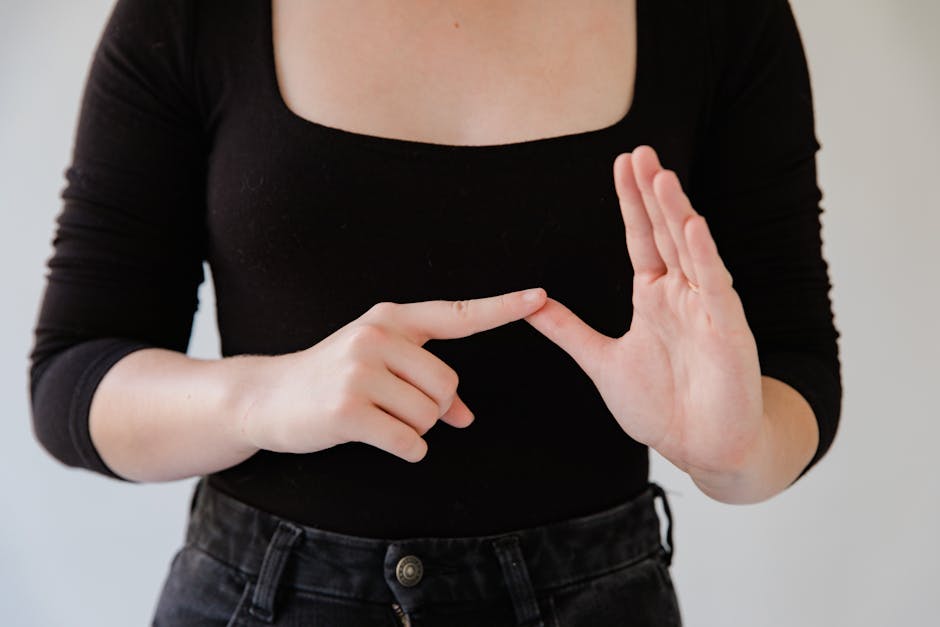
The sign for “flax” or “New Zealand flax” (harakeke) is an essential part of both the Māori culture and everyday life in New Zealand. Flax is known for its strong fibers, which are traditionally used for weaving, making ropes, and various crafts. In the NZ Deaf community, this sign is commonly used in discussions about natural resources, crafts, and cultural heritage.
Table of Contents
How to Sign “Flax, New Zealand Flaxharakekenoun” in NZSL
- Start with your non-dominant hand in front of your body, palm facing upward.
- With your dominant hand, form a “C” shape using your fingers.
- Place the “C” shape above the palm of your non-dominant hand.
- Gently pull your dominant hand downwards while slightly tilting it to one side, mimicking the movement of pulling a leaf from the flax plant.
- Maintain a neutral facial expression, or you can use a slight smile to convey a positive context.
Common Mistakes
- Forgetting to use the “C” handshape; some learners may try to use a flat hand instead.
- Not showing the pulling motion clearly, which can lead to confusion about the sign’s meaning.
- Using an exaggerated facial expression that doesn’t match the context of the sign.
NZSL vs ASL
In NZSL, the sign for “flax” emphasizes the unique handshape and motion that represents the plant’s leaves. In contrast, the American Sign Language (ASL) sign for “flax” may not incorporate the same visual representation, often using different handshapes or movements that don’t directly relate to the characteristics of the plant.
Related Signs
- Harakeke – The Māori term for flax, often used interchangeably with “flax.”
- Plant – A general sign for all plants, useful in various contexts.
- Weaving – Relevant for discussions about traditional crafts using flax.
- Nature – A broader sign that encompasses all aspects of the natural world.
- Craft – Useful when discussing handmade items or art, including those made from flax.
Frequently Asked Questions
How can I use “flax” in a sentence?
You can say, “I am weaving with flax,” by signing “I” then the sign for “weaving,” followed by the sign for “flax.”
Are there regional variations for this sign?
While the sign is generally consistent across New Zealand, some regions may have slight variations in hand movement or facial expressions.
What are some signs similar to “flax”?
Signs like “plant” and “harakeke” are closely related and can often be used in similar contexts.
What tips do you have for learning this sign?
Practice in front of a mirror to ensure your handshape and movement are accurate, and consider using visual aids or videos for reference.
Can I use the sign for flax in a cultural context?
Absolutely! Flax is significant in Māori culture, so using the sign can show respect and understanding of its importance.
How do I remember the sign for flax?
Connecting the sign to its cultural significance or the physical characteristics of the flax plant can help reinforce your memory of it.
Practice This Sign
Try signing Flax, New Zealand Flaxharakekenoun with your camera and get AI coaching on your handshape, movement, and location.
Free · No signup required