
Flax (noun, 2) in New Zealand Sign Language (NZSL)
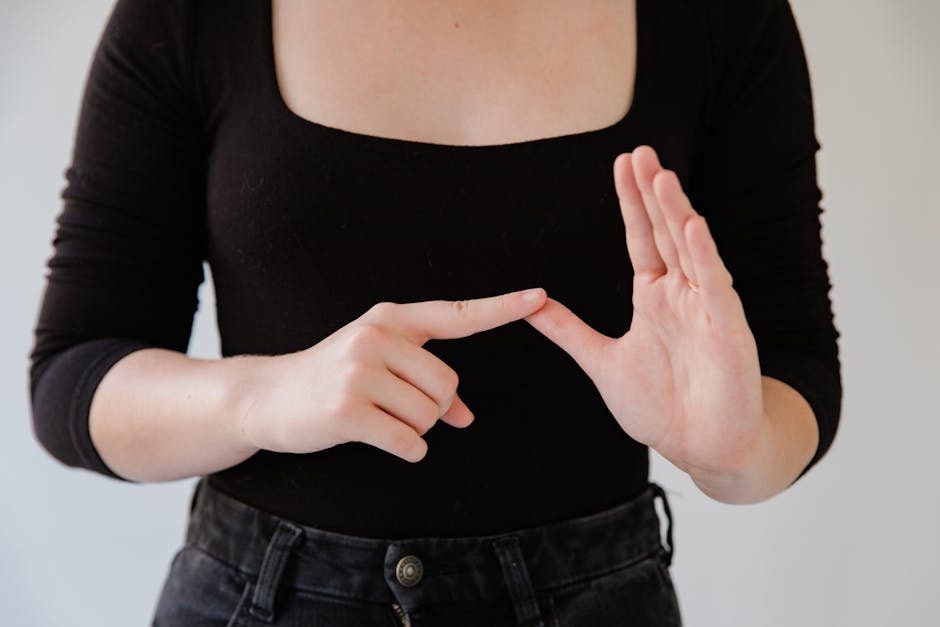
The sign for “flax” (harakeke) is significant in both Māori culture and the Deaf community in New Zealand. It represents the native plant that has been used for generations for weaving and crafting, making it a vital part of New Zealand’s heritage. This sign is commonly used in discussions about traditional Māori practices, crafts, and environmental topics.
Table of Contents
How to Sign “Flaxnew Zealand Flaxharakekenoun” in NZSL
- Start with both hands open, palms facing down, at chest height.
- Form the handshape by extending your fingers while keeping them together, representing the long leaves of the flax plant.
- Move both hands outward and slightly downward, mimicking the natural drooping of the flax leaves.
- Maintain a relaxed facial expression to convey the natural essence of the plant.
Common Mistakes
- Forgetting to keep the fingers together, which can lead to a sign that looks too much like other plants.
- Using rigid hand movements instead of flowing, natural motions, which are important for conveying the sign’s meaning.
- Overemphasizing the movement instead of focusing on the handshape, which can distract from the sign’s intent.
NZSL vs ASL
In NZSL, the sign for “flax” emphasizes the shape and movement of the leaves, while in ASL, the sign may differ significantly. NZSL incorporates unique handshapes and movements influenced by both local flora and Māori culture, which may not have a direct equivalent in ASL.
Related Signs
- Harakeke – The Māori term for flax, commonly used in cultural contexts.
- Weaving – Related to the traditional use of flax in crafting.
- Nature – A broader term that encompasses flora like flax.
- Craft – Referring to the artistic practices involving flax.
Frequently Asked Questions
How can I use “flax” in a sentence?
You can say, “I am learning to weave with flax,” by signing “I” + “learn” + “weave” + “flax.”
Are there regional variations in the sign for flax?
While the basic sign remains consistent, some regional variations may exist in the movement or emphasis, reflecting local dialects.
What are some similar signs to “flax”?
Related signs include “harakeke,” “weaving,” and “nature,” each emphasizing different aspects of the plant and its uses.
What tips do you have for learning this sign?
Practice in front of a mirror to ensure your handshape and movements are correct and try to incorporate the sign into daily conversations.
Is there a specific cultural significance to the sign for flax?
Yes, flax holds a special place in Māori culture for its practical uses and historical significance, so using the sign respectfully is important.
Can I use this sign in a formal context?
Absolutely! The sign for flax can be used in educational, cultural, and environmental discussions.
Practice This Sign
Try signing Flaxnew Zealand Flaxharakekenoun with your camera and get AI coaching on your handshape, movement, and location.
Free · No signup required