
Difficult in New Zealand Sign Language (NZSL)

The sign for “difficult” in New Zealand Sign Language (NZSL) is used to express challenges or hardships in various contexts, whether academic, emotional, or practical. Members of the Deaf community frequently use this sign in conversations about learning, problem-solving, and sharing experiences that are not easy to navigate.
Table of Contents
How to Sign “Difficult” in NZSL
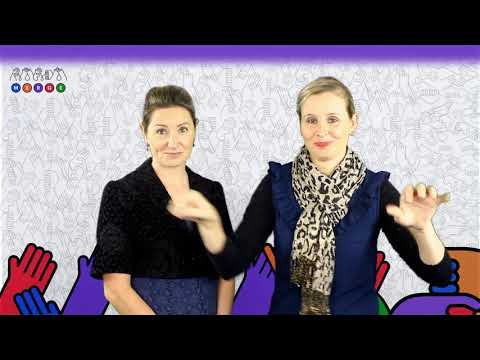
- Start with your dominant hand in a flat handshape, palm facing downward.
- Position your hand at about shoulder height, slightly in front of your body.
- Use a small downward motion, as if you are pushing something heavy down.
- Simultaneously, furrow your brow to convey the meaning of something being hard or challenging.
Common Mistakes
- Forgetting to use facial expressions, which are crucial in NZSL to convey the emotional weight of the sign.
- Using an incorrect handshape; make sure the dominant hand is flat.
- Not performing the downward movement strongly enough, which can make the sign less impactful.
NZSL vs ASL
In NZSL, the sign for “difficult” involves a downward motion with a flat hand, emphasizing the struggle. In contrast, American Sign Language (ASL) uses a different handshape and movement, highlighting a variation in expression and style between the two languages.
Related Signs
- (Be) Careful – A sign used to warn someone to be cautious.
- (All Of) You – A sign that can indicate inclusiveness or address a group.
- (Be) Passive – Used to signify a lack of action or passivity in a situation.
Frequently Asked Questions
How can I use “difficult” in a sentence?
You can sign “difficult” in a sentence like: “This math problem is difficult” by signing “Math problem” + “difficult.”
Are there regional variations for this sign in NZ?
While the sign itself remains consistent across New Zealand, some individuals may incorporate different facial expressions or slight movements based on personal or regional style.
What are some signs similar to “difficult”?
Signs like “hard” or “challenging” may convey similar meanings and can be used interchangeably depending on context.
Do I need to emphasize my facial expressions when signing?
Yes! Facial expressions are vital in NZSL to convey emotions and nuances, so practice making your expressions match the context of your signs.
What tips do you have for learning this sign?
Practice in front of a mirror to see your handshape and facial expressions. Watching native signers can also help you grasp the nuances better.
Is there a specific context where “difficult” is used more often?
This sign is commonly used in educational settings, discussions about work challenges, or personal experiences that require effort to overcome.
Practice This Sign
Try signing Difficult with your camera and get AI coaching on your handshape, movement, and location.
Free · No signup required