
Mouthmouth Patternwahanoun in New Zealand Sign Language (NZSL)
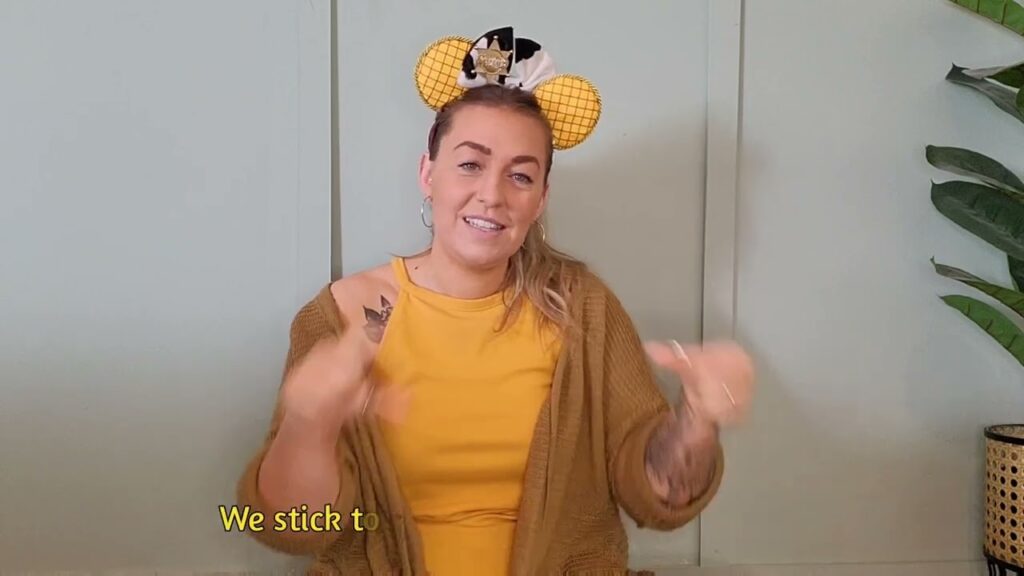
The sign “mouthmouth patternwahanoun” refers to the unique visual representation of patterns or actions related to the mouth, often used in discussions about eating, speaking, or any activity involving the mouth. This sign is commonly used within the New Zealand Deaf community when sharing experiences or describing behaviors that relate to the mouth.
Table of Contents
How to Sign “Mouthmouth Patternwahanoun” in NZSL
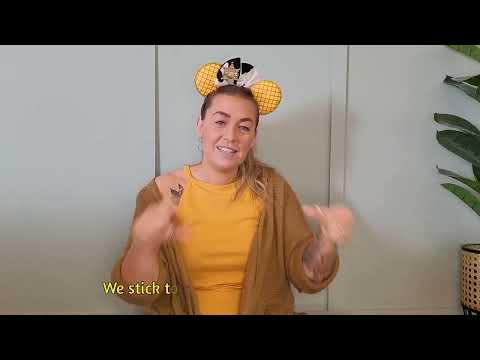
- Start with your dominant hand open, fingers slightly spread, and palm facing outward.
- Position your hand near your mouth, about an inch away.
- Move your hand in a circular or wavy motion to depict the action or pattern involving the mouth.
- Maintain a facial expression that reflects the context or emotion related to the sign, such as curiosity or enthusiasm.
Common Mistakes
- Forgetting to maintain facial expressions, which are essential for conveying the meaning of the sign.
- Using a flat hand instead of an open hand, which can change the sign’s clarity.
- Not keeping the hand at the appropriate distance from the mouth, making it difficult to understand the sign.
NZSL vs ASL
In NZSL, the sign “mouthmouth patternwahanoun” focuses on the specific motions and facial expressions that emphasize the mouth’s actions. In contrast, ASL uses a different sign that may not involve the same hand shape or movement, demonstrating the unique characteristics of each sign language influenced by their respective cultures.
Related Signs
- (All Of) You – A sign used to address a group collectively.
- (Baby’S) Dummy – Refers to a pacifier used for infants.
- (Be) Careful – A sign indicating caution or being careful in a situation.
- (Be) Born, (Give) Birth – Sign related to birth and childbirth.
Frequently Asked Questions
How can I use “mouthmouth patternwahanoun” in a sentence?
You might say, “When I eat, my mouthmouth patternwahanoun changes,” while signing to illustrate the action.
Are there regional variations for this sign in New Zealand?
While the sign is generally consistent across New Zealand, some regions may have slight variations in movement or hand position.
What similar signs should I learn?
Consider learning related signs like (Baby’S) Dummy and (Be) Careful to enrich your vocabulary.
What tips do you have for learning this sign?
Practice in front of a mirror to see your facial expressions and hand movements, and consider recording yourself to compare with video resources.
How does this sign relate to te reo Māori?
Incorporating te reo Māori signs can enhance your understanding of cultural context, especially when discussing topics related to the mouth and communication.
Practice This Sign
Try signing Mouthmouth Patternwahanoun with your camera and get AI coaching on your handshape, movement, and location.
Free · No signup required