
Moustachewhenguwhengunoun in New Zealand Sign Language (NZSL)
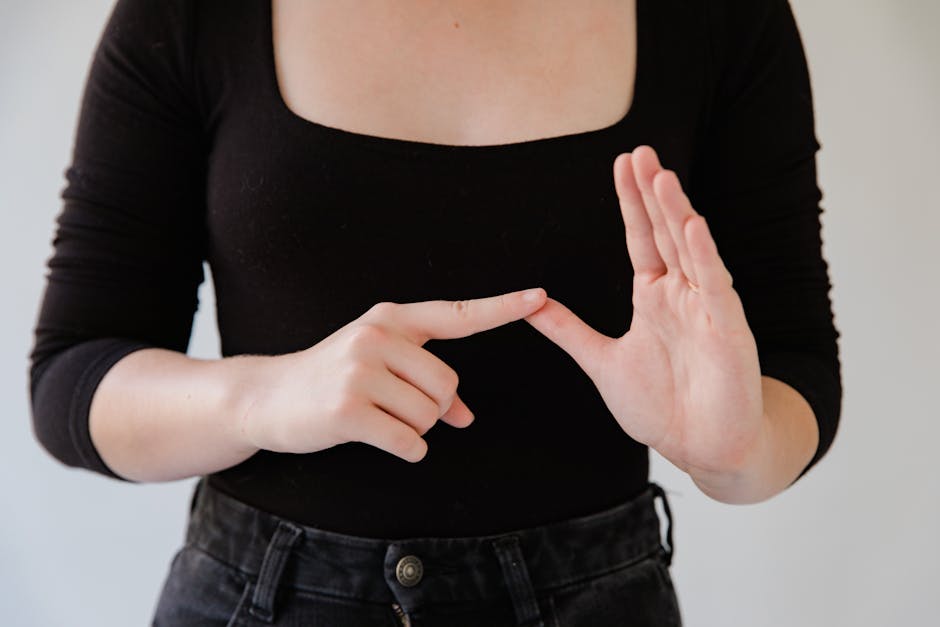
The sign “moustachewhenguwhengunoun” refers to a moustache, a facial hair style that is often a topic of conversation in social settings. This sign is commonly used when discussing grooming, personal styles, or even when joking about appearances within the New Zealand Deaf community.
Table of Contents
How to Sign “Moustachewhenguwhengunoun” in NZSL
- Start with your dominant hand in a flat handshape, fingers extended and together.
- Position your hand horizontally in front of your face, just above your lip area.
- With a slight upward movement, bring your hand away from your face, mimicking the shape and position of a moustache.
- Maintain a playful facial expression, as this sign often carries a lighthearted context.
Common Mistakes
- Some learners might use a fist instead of a flat hand, which alters the sign’s meaning.
- Not positioning the hand correctly above the lip can cause confusion and make it difficult for others to understand.
- Forgetting to use facial expressions may make the sign feel less engaging or clear.
NZSL vs ASL
In NZSL, “moustachewhenguwhengunoun” is signed with a flat hand near the mouth, while in ASL, the sign is typically made with a ‘C’ handshape moving across the face. This highlights a key difference in handshapes and movements between the two sign languages.
Related Signs
- (All Of) You
- (Baby’S) Dummy
- (Be) Careful
- (Be) Born, (Give) Birth
Using “Moustachewhenguwhengunoun” in Everyday Conversations
The sign “Moustachewhenguwhengunoun” can be naturally integrated into various everyday conversations, especially when discussing personal grooming, fashion choices, or humorous anecdotes. Here are a few example sentences:
- “My brother has a big moustachewhenguwhengunoun, and everyone loves it!”
- “At the party, we joked about who could grow the best moustachewhenguwhengunoun.”
- “I saw a man with a colourful moustachewhenguwhengunoun in town today; it was hilarious!”
These examples demonstrate how the sign can easily fit into conversations about family, social gatherings, or personal observations, making it a fun and relatable term to use.
Cultural Notes
The term “Moustachewhenguwhengunoun” not only reflects a playful aspect of NZSL but also highlights the rich cultural identity of the New Zealand Deaf community. Since NZSL was recognized as an official language of New Zealand in 2006, it has continued to develop and flourish within Deaf culture. The use of such creative signs embodies the unique, expressive nature of NZSL, which is influenced by both the local culture and the history of Deaf individuals in New Zealand.
Moreover, there is a connection with te reo Māori in the way NZSL embraces visual storytelling and metaphor. The creativity involved in creating signs like “Moustachewhenguwhengunoun” showcases the interplay between language, culture, and identity, emphasizing how the Deaf community shares its own cultural nuances while remaining connected to the wider New Zealand society.
Tips for Learning This Sign
Practicing the sign “Moustachewhenguwhengunoun” effectively can enhance your retention and confidence in using it. Here are some helpful tips:
- Mirror Practice: Stand in front of a mirror while practicing the sign. This helps you observe your hand movements and facial expressions, ensuring you are accurately mimicking the sign.
- Facial Expressions: Pay attention to your facial expressions while signing. The expression adds meaning and context, making your signing more engaging and understandable.
- Use in Context: Create short sentences incorporating “Moustachewhenguwhengunoun.” Practice with friends or fellow learners to reinforce your comfort with the sign in conversation.
By consistently practicing these techniques, you can enhance your NZSL skills while enjoying the learning process.
Frequently Asked Questions
How can I use “moustachewhenguwhengunoun” in a sentence?
You can say, “He has a lovely moustache,” by signing “He” followed by the sign for “moustachewhenguwhengunoun.”
Are there regional variations for this sign in New Zealand?
While the sign is generally understood nationwide, some regions may have subtle differences in handshape or movement.
Is there a similar sign in NZSL for beard?
Yes, the sign for “beard” involves a similar handshape but is often placed lower on the face.
What are some tips for learning this sign?
Practice in front of a mirror to ensure proper hand placement and facial expressions. Watching fluent signers can also help.
Can I use this sign in a humorous context?
Absolutely! This sign is often used playfully, especially when joking about someone’s appearance or grooming.
How do I sign “I like your moustache”?
Sign “I” followed by “like” and then “moustachewhenguwhengunoun” to convey the compliment.
Practice This Sign
Try signing Moustachewhenguwhengunoun with your camera and get AI coaching on your handshape, movement, and location.
Free · No signup required