
Mouthguard in New Zealand Sign Language (NZSL)
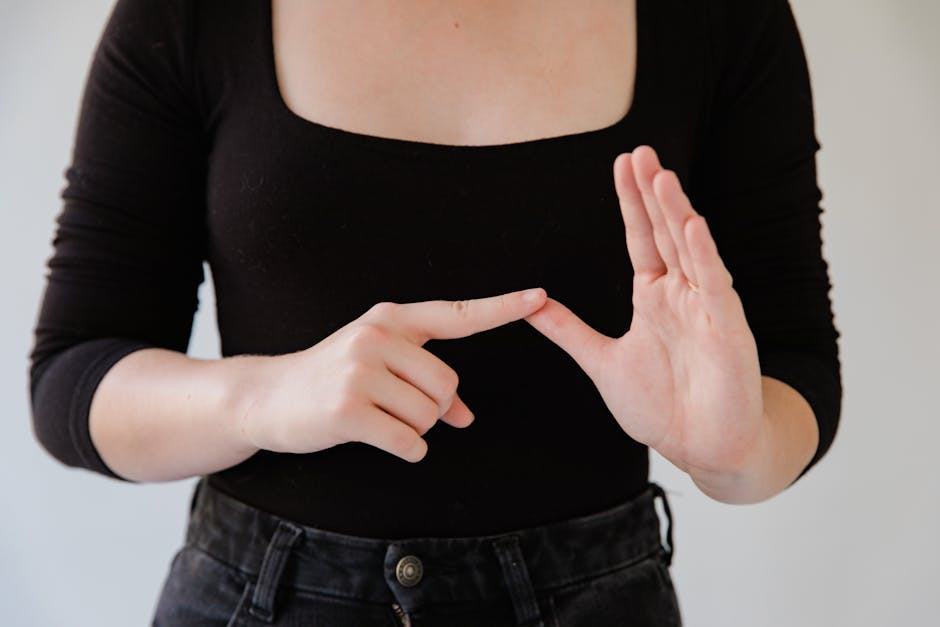
The sign for “mouthguard” in NZSL refers to the protective device used in sports and other activities to safeguard the mouth and teeth. It’s commonly used in conversations about sports safety, dental care, and related topics within the Deaf community. This sign is particularly relevant for athletes and those involved in contact sports.
Table of Contents
How to Sign “Mouthguardput In Mouthguardwhakapuru Waha, ārai wahanoun; Verb” in NZSL
- Start with your dominant hand in a flat handshape (palm facing down) to represent the mouthguard.
- Position your hand near your mouth, with your fingers slightly curved as if you are holding the mouthguard.
- Move your hand towards your mouth, mimicking the action of inserting the mouthguard.
- As you bring your hand closer to your mouth, gently open your mouth to show the action of placing the mouthguard inside.
- Maintain a neutral facial expression or add a slight nod to indicate the action clearly.
Common Mistakes
- Some learners forget to open their mouths during the sign, which can make it unclear that they are indicating the action of putting something in.
- Using the wrong handshape, such as a fist instead of a flat hand, can misrepresent the sign.
- Forgetting to move the dominant hand toward the mouth, which is essential for conveying the action correctly.
NZSL vs ASL
In NZSL, the sign for “mouthguard” emphasizes the action of placing the guard in the mouth with a clear motion. In contrast, ASL may use a different handshape and motion that doesn’t explicitly show the action of insertion, highlighting the differences between the two sign languages.
Related Signs
- (Baby’s) Dummy – A sign for a pacifier or teething device for infants.
- (Be) Careful – A sign to indicate caution or being careful.
- (Be) Passive – A sign that conveys the idea of being passive or non-active.
Frequently Asked Questions
How do I use “mouthguard” in a sentence?
You can say, “I need to put my mouthguard in before the game” by using the sign for “mouthguard” along with signs for “I need” and “before the game”.
Are there regional variations of this sign in New Zealand?
While the sign is generally consistent across New Zealand, some regions may have slight variations in speed or facial expressions used in conjunction with the sign.
What are similar signs to “mouthguard”?
Related signs include “dummy” for infants and “careful,” which can also relate to safety in sports.
What tips do you have for learning this sign?
Practice in front of a mirror to ensure your handshape and movements are accurate, and watch video demonstrations to observe facial expressions.
Can I use this sign in a formal setting?
Yes, this sign is appropriate in both informal and formal settings, especially when discussing sports safety and dental health.
How does this sign relate to te reo Māori?
This sign incorporates Māori influences, as the term “whakapuru waha” reflects the integration of te reo Māori into NZSL.
Practice This Sign
Try signing Mouthguardput In Mouthguardwhakapuru Waha, āRai Wahanoun; Verb with your camera and get AI coaching on your handshape, movement, and location.
Free · No signup required