
Braces (noun) in New Zealand Sign Language (NZSL)
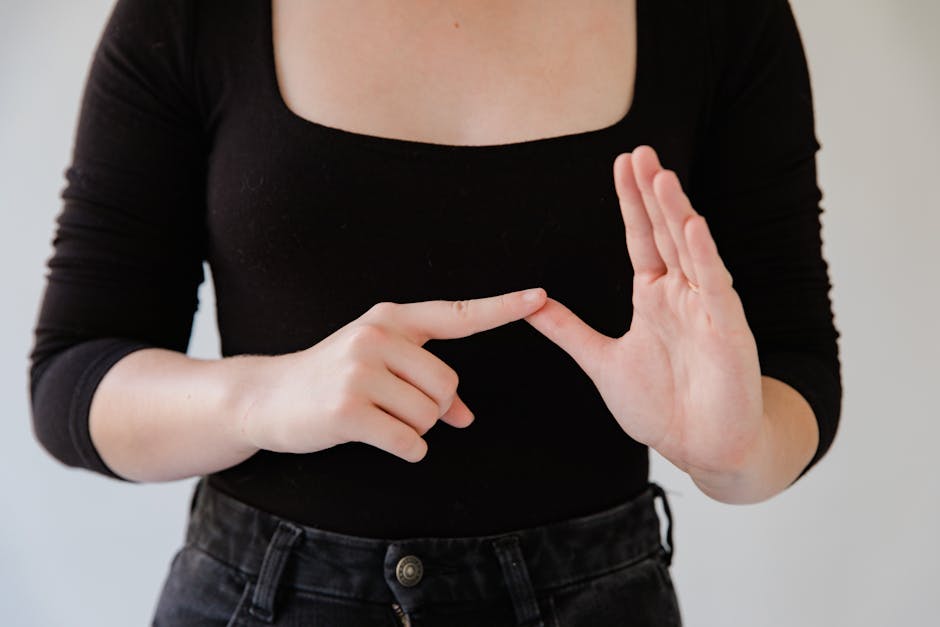
The sign for “braces” or “orthodontic braces” in NZSL is used frequently in conversations about dental health, especially among young people or parents discussing their children’s dental care. It signifies the metal devices used to straighten teeth, which are a common topic in both medical and casual discussions within the Deaf community.
Table of Contents
How to Sign “Bracesorthodontic Bracesperehi Nihonoun” in NZSL
- Start with both hands in a flat shape, similar to a “B” handshape, with your palms facing inwards.
- Position your hands on either side of your mouth, as if framing your teeth.
- Bring your hands together slightly, as if mimicking the action of braces tightening around teeth.
- Maintain an expressive facial expression that conveys the context of dental care or orthodontics.
Common Mistakes
- Using a fist instead of the flat handshape may lead to confusion with other signs.
- Not framing the mouth properly, which can make the sign unclear.
- Failing to use appropriate facial expressions, which are important in NZSL for conveying meaning.
NZSL vs ASL
In NZSL, the sign for “braces” focuses on the action of framing the mouth and the braces’ effect on teeth. In contrast, ASL may utilize different handshapes and movements, often incorporating more dynamic gestures. This reflects the distinct linguistic features and cultural context of each signing community.
Related Signs
- (Baby’s) Dummy – A sign for a baby’s pacifier, often used in discussions about infant care.
- (Be) Careful – A sign expressing caution, useful in various contexts, including health and safety.
- (Be) Born, (Give) Birth – This sign relates to childbirth, often discussed alongside dental health in family contexts.
Frequently Asked Questions
How can I use “braces” in a sentence?
You could say, “I need to get braces,” by signing “I” followed by the sign for “braces.”
Are there regional variations for this sign in New Zealand?
While the sign is generally consistent across the country, some regions might have slight variations in handshape or movement.
What are some similar signs to “braces”?
Signs like “dentist” and “(baby’s) dummy” are related, as they pertain to dental and infant care.
What tips can help me learn this sign better?
Practice in front of a mirror and observe native NZSL signers to improve your handshape and facial expressions.
Is the sign the same in all contexts?
The sign will usually refer to orthodontic braces, but context is key for clarity.
Can I use this sign in a medical setting?
Yes, it’s appropriate to use in both casual and medical discussions about dental care.
Practice This Sign
Try signing Bracesorthodontic Bracesperehi Nihonoun with your camera and get AI coaching on your handshape, movement, and location.
Free · No signup required