
Grandchildrenmokopunanoun in New Zealand Sign Language (NZSL)
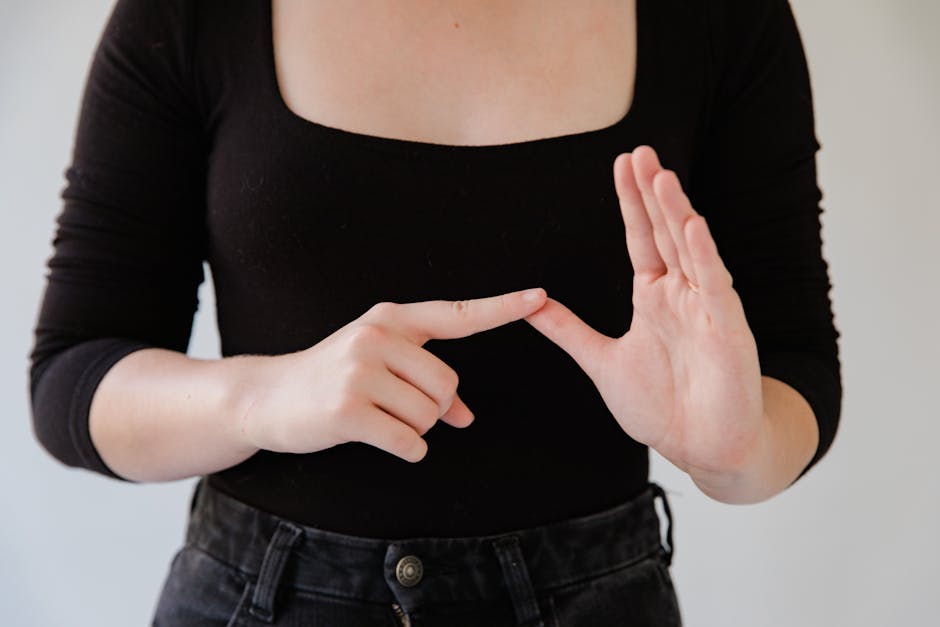
The sign for “grandchildren” in NZSL is used to refer to one’s grandchildren and is a term of warmth and familial connection. It’s commonly used in conversations about family, celebrations, and gatherings, highlighting the special bond between grandparents and their mokopuna.
Table of Contents
How to Sign “Grandchildrenmokopunanoun” in NZSL
- Start with both hands open and facing inward, fingers spread apart.
- Position your hands at shoulder height, with palms facing each other.
- Bring your hands towards your body in a slight arc, as if drawing your grandchildren closer to you.
- As your hands come together in front of your chest, close your fingers to make a gentle fist, showing the idea of holding or embracing.
- Maintain a warm facial expression, conveying affection and pride.
Common Mistakes
- Forgetting to use facial expressions, which are essential in NZSL to convey feelings.
- Using a single hand instead of both, which can make the sign less clear.
- Not showing the motion of bringing the grandchildren closer, which can lose the emotional aspect of the sign.
NZSL vs ASL
In NZSL, the sign for “grandchildren” emphasizes the familial connection and affection, using both hands to represent the closeness of the relationship. In contrast, ASL often uses a single hand or a different movement to indicate “grandchild,” showing a distinct difference in how each language expresses the concept.
Related Signs
- (Baby’s) Dummy – Sign for a pacifier, often used with young children.
- (Be) Born, (Give) Birth – Related to family topics and relationships.
- (Be) Careful – Useful when discussing the safety of children.
- (All Of) You – Can be used in family contexts.
- (Be) Passive – Related to emotional expressions in family discussions.
Frequently Asked Questions
How can I use “grandchildren” in a sentence?
You can say, “I love my grandchildren,” by signing “I love” followed by the sign for “grandchildren.”
Are there regional variations in this sign across New Zealand?
While the sign is generally consistent, some regions may have slight variations in movement or facial expression. It’s always best to observe local users.
What similar signs should I learn?
Signs related to family terms such as “children” or “parents” can be beneficial to learn alongside “grandchildren.”
Can you suggest tips for learning this sign?
Practice in front of a mirror to ensure your hand shapes and facial expressions are accurate. Watching fluent signers can also help refine your technique.
What if I don’t have grandchildren? Can I still use this sign?
Absolutely! You can use the sign to talk about grandchildren in general or when discussing family plans.
Are there any cultural aspects to consider when signing about family?
Cultural sensitivity is essential. Understanding the significance of family ties in Māori culture can enrich your conversations about mokopuna.
Practice This Sign
Try signing Grandchildrenmokopunanoun with your camera and get AI coaching on your handshape, movement, and location.
Free · No signup required