
Grandchild, Granddaughter in New Zealand Sign Language (NZSL)
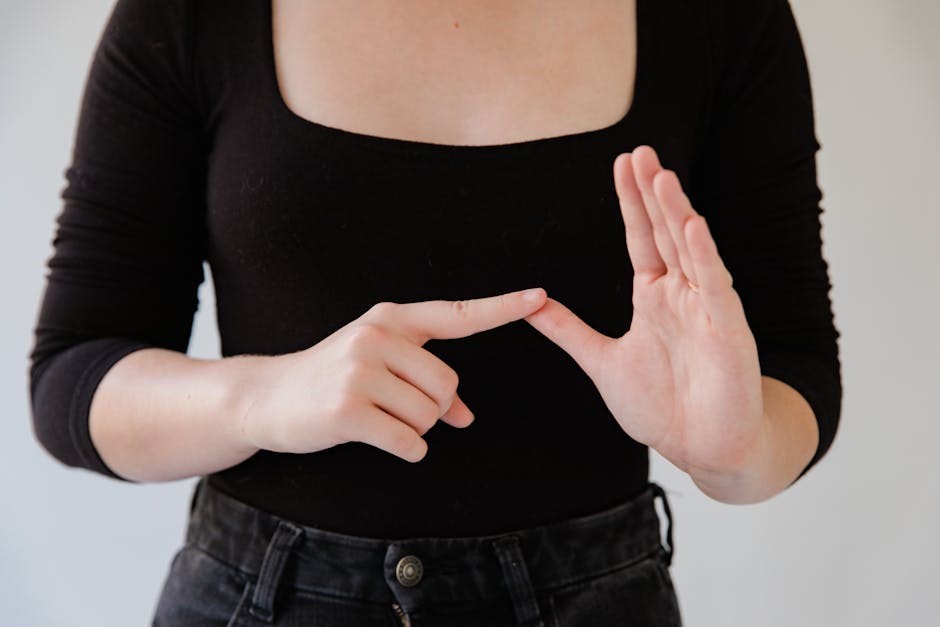
The sign for “grandsongrandchild” or “granddaughter” (mokopuna) in NZSL refers to a grandchild, specifically from a grandparent’s perspective. This sign is often used during family gatherings or when discussing family relationships in the Deaf community. It highlights the importance of family connections and heritage in Māori culture.
Table of Contents
How to Sign “Grandsongrandchild, Granddaughtermokopunanoun” in NZSL
- Start with your dominant hand in a flat handshape (like a ‘B‘ handshape).
- Position your hand in front of your chest, palm facing towards you.
- Move your hand slightly forward and then downward, as if you are indicating the relationship from you to the child.
- Facial expressions are important; show warmth and affection, as this sign represents a cherished family member.
Common Mistakes
One common mistake is using the wrong handshape; it’s important to maintain a flat handshape throughout the sign. Another error is not using facial expressions, which can lead to a lack of emotional context. Lastly, some learners might confuse this sign with the sign for “child,” which has a different movement and handshape.
NZSL vs ASL
In NZSL, the sign for “grandsongrandchild” or “granddaughter” is distinct from ASL. While ASL uses a different handshape and movement, NZSL emphasizes the familial connection with a more pronounced movement towards the body, reflecting the importance of family ties in New Zealand culture.
Related Signs
- (Baby’s) Dummy – The sign for a pacifier or soother used for infants.
- (Be) Born, (Give) Birth – Signifying the process of childbirth.
- (Be) Careful – A sign to express caution or alertness.
Frequently Asked Questions
How can I use this sign in a sentence?
You can use this sign in sentences like, “My granddaughter is visiting,” by incorporating the sign with appropriate context and facial expressions.
Are there regional variations for this sign in New Zealand?
While the sign is generally consistent, some regions may have slight variations in movement or emphasis, reflecting local dialects within the Deaf community.
What are some signs similar to “granddaughter”?
Similar signs include “child,” “daughter,” and “grandparent,” each having unique movements and handshapes that differentiate them.
What tips do you have for learning this sign?
Practice in front of a mirror to ensure your handshape and movements are correct. Watching videos of native signers can also help reinforce the proper execution of the sign.
Can I use this sign to refer to grandsons as well?
This sign specifically refers to granddaughters. For grandsons, there is a different sign, which emphasizes the male aspect of the family relationship.
How does this sign reflect Māori culture?
The sign acknowledges the importance of family ties and generational connections, which are significant in Māori culture, where the concept of ‘whānau’ (family) is central.
Practice This Sign
Try signing Grandsongrandchild, Granddaughtermokopunanoun with your camera and get AI coaching on your handshape, movement, and location.
Free · No signup required