
Grandmother in New Zealand Sign Language (NZSL)
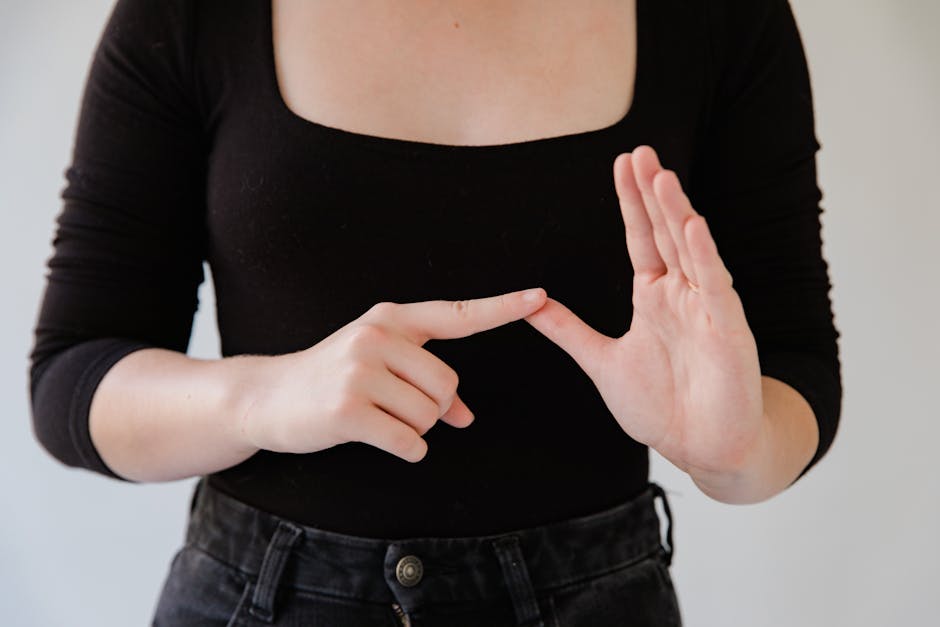
The sign for “grandmother” or “nanatipuna wahine” is a warm and affectionate way to refer to your grandmother in New Zealand Sign Language (NZSL). This sign is commonly used in family contexts and conversations about heritage and kinship within the Deaf community. It reflects the importance of family and connections, especially among Māori and other cultural groups in New Zealand.
Table of Contents
How to Sign “Grandmothergrandma, Nanatipuna Wahine, Kuianoun” in NZSL
- Start with your dominant hand in a flat handshape (similar to a ‘B’ handshape).
- Position your hand near your chin or cheek, with your palm facing towards your face.
- Move your hand slightly away from your face while maintaining the flat handshape.
- Maintain a gentle facial expression, conveying warmth and affection.
Common Mistakes
- Using an incorrect handshape, such as a fist instead of a flat hand.
- Positioning the hand too far from the face, which can change the meaning.
- Neglecting facial expressions, which are integral in NZSL to convey emotion.
NZSL vs ASL
In NZSL, the sign for “grandmother” is distinct from American Sign Language (ASL). While ASL often uses the sign for “mother” and modifies it, NZSL’s sign is unique, reflecting local cultural influences and the integration of te reo Māori elements.
Related Signs
- Mother – The sign for “mother,” conveying familial connections.
- Father – The sign for “father,” another important family term.
- Child – Referring to a young person or offspring.
- Family – The broader term encompassing relatives.
- Ancestor – A sign that connects to heritage and lineage.
Frequently Asked Questions
Can I use this sign in a sentence?
Yes! For example, you can say, “My grandmother is coming over,” using the sign for “grandmother” along with other signs for context.
Are there regional variations in New Zealand?
While the sign for “grandmother” is generally consistent, some regional variations may exist in how people sign it, influenced by local community practices.
What are some signs similar to “grandmother”?
Similar signs include “mother,” “aunt,” and “ancestor,” each having its own unique sign in NZSL.
What tips can help me learn this sign?
Practice in front of a mirror to ensure your handshape and movement are correct. Pay attention to facial expressions, as they enhance the message.
Is there a cultural significance to this sign?
Yes, this sign is deeply rooted in the values of family and respect for elders, which are essential in Māori and wider New Zealand culture.
How does this sign relate to Māori culture?
The term “nanatipuna wahine” reflects the Māori language and highlights the importance of grandmothers in Māori culture as caregivers and knowledge holders.
Practice This Sign
Try signing Grandmothergrandma, Nanatipuna Wahine, Kuianoun with your camera and get AI coaching on your handshape, movement, and location.
Free · No signup required