
Grandchildren in New Zealand Sign Language (NZSL)
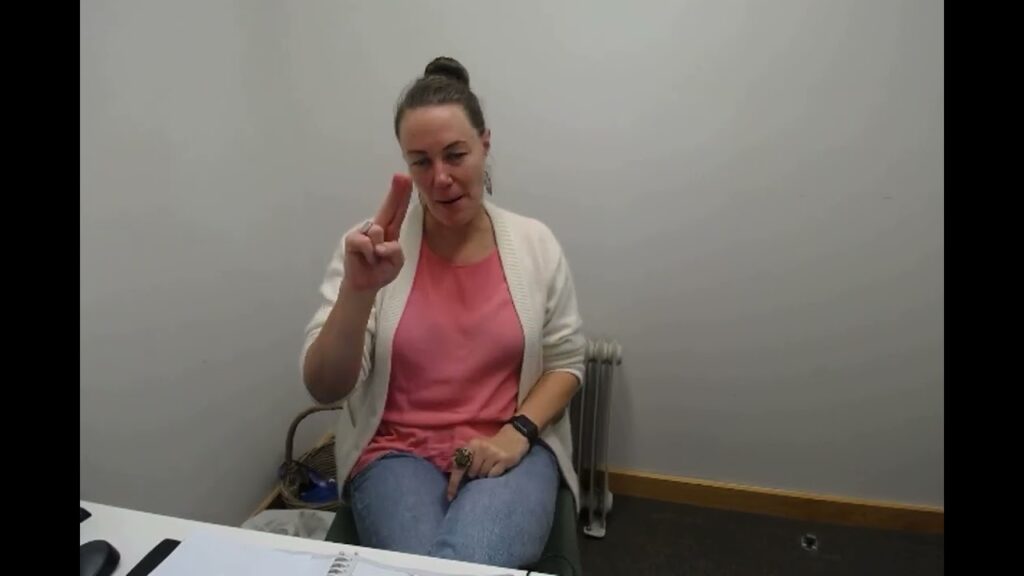
The sign for “grandchildren” in NZSL represents the concept of one’s grandchildren, often used in family-related discussions or storytelling within the Deaf community. This sign is an essential part of conversations about family, reflecting the importance of whānau (family) in New Zealand culture.
Table of Contents
How to Sign “Grandchildren” in NZSL
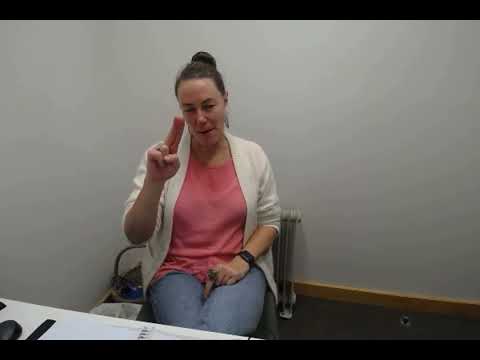
- Start with both hands open and palm facing down.
- Position your hands at your waist, a little apart from each other.
- Move your hands in a circular motion outward from your waist, as if you are expanding the circle to represent multiple grandchildren.
- Maintain a relaxed facial expression, and consider using a smile to convey warmth and affection.
Common Mistakes
- Forgetting to use both hands, which can make the sign appear incomplete.
- Using too much force in the circular motion, leading to confusion with other signs.
- Not maintaining a friendly facial expression, which is important in NZSL for conveying emotions.
NZSL vs ASL
In NZSL, the sign for “grandchildren” involves a unique circular motion with both hands, while in ASL, the sign uses a different handshape and movement. This highlights the distinctiveness of NZSL, influenced by both regional culture and the local Deaf community’s preferences.
Related Signs
- Parents – Sign for mother and father.
- Family – A general sign for family members.
- Baby – Sign referring to an infant.
- Whānau – The Māori term for extended family.
- Grandparents – Sign referring to one’s grandparents.
Using “Grandchildren” in Everyday Conversations
In everyday conversations, using the sign for “grandchildren” can help express family relationships and share personal stories. Here are a few example sentences where this sign naturally fits:
- “MY MOTHER HAS THREE GRANDCHILDREN.” (You might use this in a family gathering or when introducing your family to a friend.)
- “MY GRANDCHILDREN LOVE TO PLAY OUTSIDE.” (This could come up in a discussion about activities or hobbies on a sunny day.)
- “I TAKE MY GRANDCHILDREN TO THE PARK EVERY WEEKEND.” (You might mention this when talking about your weekend plans or routines with friends.)
Using the sign in these contexts not only reinforces your connection to family but also engages your audience in meaningful discussions about shared experiences.
Cultural Notes
The sign for “grandchildren” holds significance in the New Zealand Deaf community, reflecting the importance of family bonds and intergenerational connections. NZSL has been recognized as an official language since 2006, which has fostered a greater appreciation for Deaf culture and identity across New Zealand.
Additionally, the connections between NZSL and te reo Māori highlight the rich tapestry of New Zealand’s cultural landscape. Both languages celebrate the importance of family and community, with signs often reflecting shared cultural values. Regional variations in NZSL may also influence how “grandchildren” is signed, showcasing the diversity within the community.
Tips for Learning This Sign
Practicing and remembering the sign for “grandchildren” can be enjoyable and interactive. Here are some tips to help you master it:
- Mirror Practice: Stand in front of a mirror and practice the sign while watching your own movements. This can help you refine your technique and ensure your handshape is clear.
- Pay Attention to Facial Expressions: Facial expressions are an integral part of NZSL. Ensure your expression matches the sentiment of your conversation when using the sign.
- Incorporate It Into Short Sentences: Use “grandchildren” in simple sentences during your practice sessions. This helps reinforce your memory and makes it easier to use in real conversations.
By incorporating these strategies, you’ll become more confident in using the sign and deepen your understanding of its context within family discussions.
Frequently Asked Questions
How can I use “grandchildren” in a sentence?
You might say, “I have three grandchildren” by signing “I have” followed by “three” and then “grandchildren.”
Are there any regional variations for this sign across New Zealand?
Generally, the sign remains consistent throughout New Zealand, though some regions may have slight variations in the circular motion.
What similar signs should I learn?
Consider learning related signs like “parents” and “whānau” to enrich your family-related vocabulary.
Can I use this sign in formal situations?
Yes, this sign is appropriate in both formal and casual settings when discussing family.
What are some tips for learning this sign?
Practice the hand movement in front of a mirror to ensure accuracy and maintain a friendly expression.
Is it important to use facial expressions?
Yes, facial expressions add context and emotion to your signs in NZSL.
Practice This Sign
Try signing Grandchildren with your camera and get AI coaching on your handshape, movement, and location.
Free · No signup required