
Both (adjective, 2) in New Zealand Sign Language (NZSL)
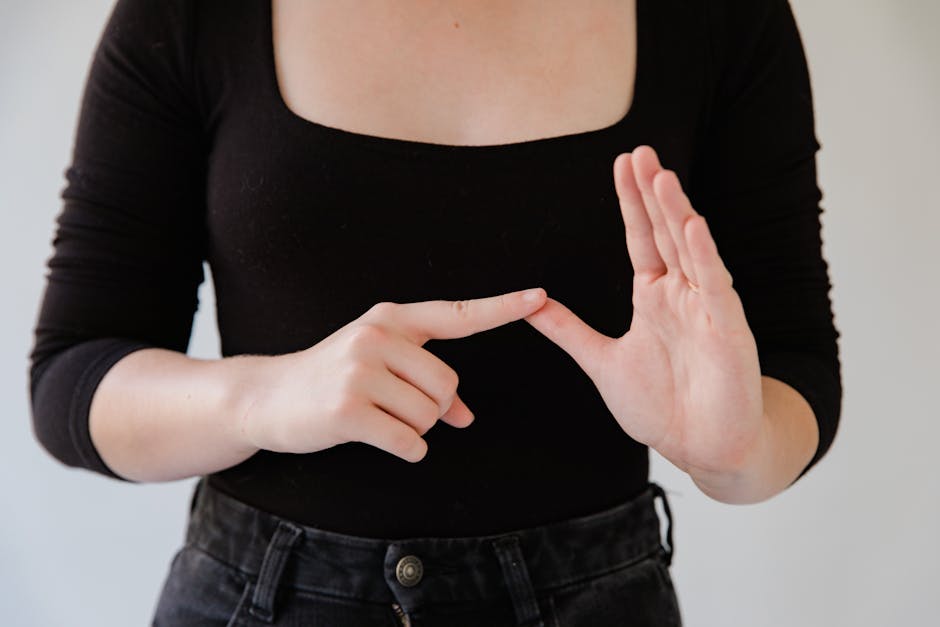
The sign “boththese twoe rua” is used in New Zealand Sign Language (NZSL) to refer to two items or people together. It is commonly used in conversations when discussing choices, comparisons, or simply acknowledging two entities. This sign is an important part of everyday communication within the Deaf community in New Zealand.
Table of Contents
How to Sign “Boththese Twoe Ruaadjective; Determiner; Pronoun” in NZSL
- Start with both hands open, palms facing each other at about shoulder height.
- Bring both hands together in front of you, as if you are holding two items.
- As you bring your hands together, slightly tilt them forward, indicating a connection between the two.
- Maintain a neutral facial expression; however, you can add a slight smile for emphasis and engagement.
- Hold the final position for a moment before moving on to the next part of your sentence or conversation.
Common Mistakes
- Some learners may forget to use both hands, which is crucial for conveying the meaning of “both”.
- Using a tense facial expression instead of a neutral or friendly one can make the sign appear less engaging.
- Incorrectly positioning the hands too far apart can lead to confusion about the sign’s meaning.
NZSL vs ASL
In American Sign Language (ASL), the sign for “both” is different from NZSL. ASL typically uses one hand to represent the two items, while NZSL emphasizes the duality with both hands. This showcases the unique structure and visual nature of NZSL, influenced by its roots in British Sign Language (BSL) and its distinct identity within the New Zealand cultural context.
Related Signs
- (All Of) You – A sign used to refer collectively to a group.
- (All Of) Youyou Allkoutou (Katoa)Pronoun – A variation that emphasizes inclusivity.
- (Baby’S) Dummy – A sign related to baby items.
- (Be) Careful – A sign to express caution.
- (Be) Passive – A sign indicating a state of being.
Frequently Asked Questions
How do I use “boththese twoe rua” in a sentence?
You can use it to compare two things, such as “I like boththese twoe rua apples” by signing the word for “apples” after this sign.
Are there regional variations for this sign in New Zealand?
While the core sign remains consistent, some regional dialects may have slight variations in hand positioning or facial expressions. It’s helpful to observe local signers.
What are some similar signs?
Similar signs include “both” or “together,” which can also express a duality but might differ in context and use.
What tips do you have for learning this sign?
Practice with a native NZSL signer to ensure accuracy in hand shape and facial expressions. Recording yourself can also help.
Can I use “boththese twoe rua” to refer to more than two items?
This sign specifically refers to two items. For more than two, you would use different signs to indicate a larger group.
Is there an equivalent sign in ASL?
Yes, ASL has a sign for “both” as well, but it is performed differently, typically using one hand. Understanding these differences can enhance your signing skills.
Practice This Sign
Try signing Boththese Twoe Ruaadjective; Determiner; Pronoun with your camera and get AI coaching on your handshape, movement, and location.
Free · No signup required