
Bottle-Feed in New Zealand Sign Language (NZSL)

The sign for “bottle-feed” in NZSL is used when referring to the act of feeding a baby or young child from a bottle. This sign is commonly used among caregivers, parents, and in discussions about child-rearing within the Deaf community.
Table of Contents
How to Sign “Bottle-Feed” in NZSL
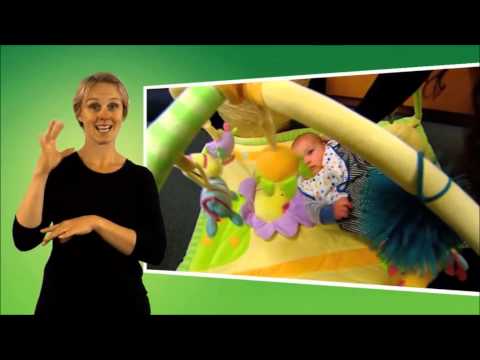
- Start with your non-dominant hand in a flat handshape (palm facing up) to represent the bottle.
- With your dominant hand, make a fist to represent the baby.
- Position the dominant hand (fist) above the non-dominant hand (the flat hand) as if the baby is drinking from the bottle.
- Gently move your dominant hand down towards the non-dominant hand to show the action of feeding.
- Maintain a facial expression that is warm and nurturing, as this reflects the caring nature of the action.
Common Mistakes
- Forgetting to use the non-dominant hand to represent the bottle, which can lead to confusion about the sign’s meaning.
- Using excessive movement when signing, making the action unclear or exaggerated.
- Neglecting facial expressions, which are crucial in conveying the nurturing aspect of the sign.
NZSL vs ASL
In NZSL, the sign for “bottle-feed” incorporates a flat handshape to represent the bottle, while in ASL, the sign may differ, often using a more dynamic movement to simulate the feeding action. The structure and facial expressions also vary between the two languages, reflecting their unique cultural contexts.
Related Signs
- (Baby’S) Dummy – Sign for a pacifier or soother.
- (Be) Born, (Give) Birth – Refers to childbirth.
- (Be) Careful – A sign for being cautious, often used in parenting contexts.
Frequently Asked Questions
How can I use “bottle-feed” in a sentence?
You can use the sign in a sentence like: “I bottle-feed my baby every evening.” This adds context to the action you’re describing.
Are there any regional variations in how this sign is used across New Zealand?
While the core sign remains consistent, some regional variations may occur in the speed or emphasis of the sign, reflecting local Deaf community influences.
What other signs are similar to “bottle-feed”?
Similar signs include “breastfeed” and “feed,” which have distinct movements but relate to the act of feeding infants.
What tips do you have for learning this sign?
Practice in front of a mirror to ensure your hand shapes and facial expressions are clear. Watching others sign can also help you pick up nuances.
Practice This Sign
Try signing Bottle-Feed with your camera and get AI coaching on your handshape, movement, and location.
Free · No signup required