
Cup, Tea (noun) in New Zealand Sign Language (NZSL)
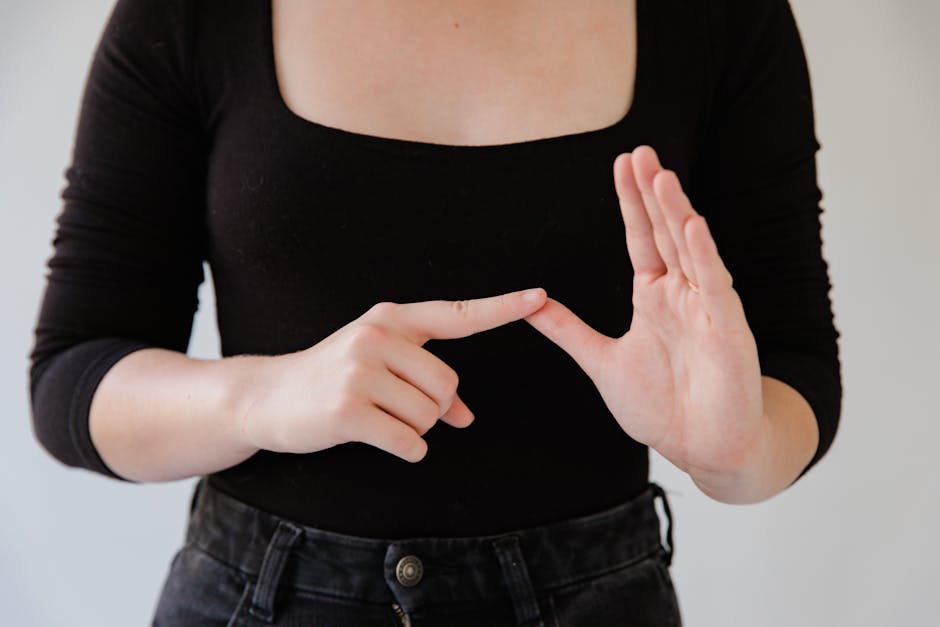
The sign for “cup, teadrink (from a cup), sip, supperkapu, tīnoun; verb” is commonly used in everyday conversations within the NZ Deaf community. It represents the action of drinking from a cup, often associated with tea or other beverages. This sign is useful during social gatherings, meal times, or when discussing drinks.
Table of Contents
How to Sign “Cup, Teadrink (From A Cup), Sip, Supperkapu, TīNoun; Verb” in NZSL
- Start with your dominant hand in a ‘C’ handshape, representing the cup.
- Hold your hand at chest level, with the palm facing towards you.
- Bring your hand to your mouth, mimicking the action of sipping from the cup.
- As you move your hand towards your mouth, slightly tilt your head forward to show engagement in the action.
- Maintain a relaxed facial expression, possibly smiling if you’re enjoying the drink.
Common Mistakes
- Using a flat handshape instead of a ‘C’ shape, which can lead to confusion about the sign’s meaning.
- Not tilting the head forward while bringing the hand to the mouth, which can make the action look incomplete.
- Over-exaggerating the movement, making it appear awkward rather than fluid and natural.
NZSL vs ASL
In NZSL, the sign for “cup” uses a ‘C’ handshape and mimics the action of drinking, which is similar to ASL but may vary in hand positioning and facial expressions. NZSL places a stronger emphasis on facial expressions to convey enjoyment or other emotions tied to drinking.
Related Signs
- (All Of) You – A sign used to refer to a group of people.
- (Baby’S) Dummy – Represents a pacifier or soother for infants.
- (Be) Careful – A sign used to advise caution or care in a situation.
Frequently Asked Questions
Can I use this sign in a sentence?
Yes! For example, you can sign “I want a cup of tea” by combining the sign for ‘cup’ with other relevant signs.
Are there regional variations in signing this?
While the sign is generally consistent across New Zealand, some regions may have slight variations in the movement or facial expressions used.
What signs are similar to this one?
Related signs include ‘mug’, ‘glass’, and ‘drink’, which share some hand shapes and movements.
Any tips for learning this sign?
Practice in front of a mirror to ensure your hand shape and facial expressions match the intended action.
How can I incorporate this sign into daily conversations?
Use it during meals or when discussing beverages to enhance your communication with others in the Deaf community.
Practice This Sign
Try signing Cup, Teadrink (From A Cup), Sip, Supperkapu, TīNoun; Verb with your camera and get AI coaching on your handshape, movement, and location.
Free · No signup required