
Cunttara Hamuti, Tara Komemenoun in New Zealand Sign Language (NZSL)
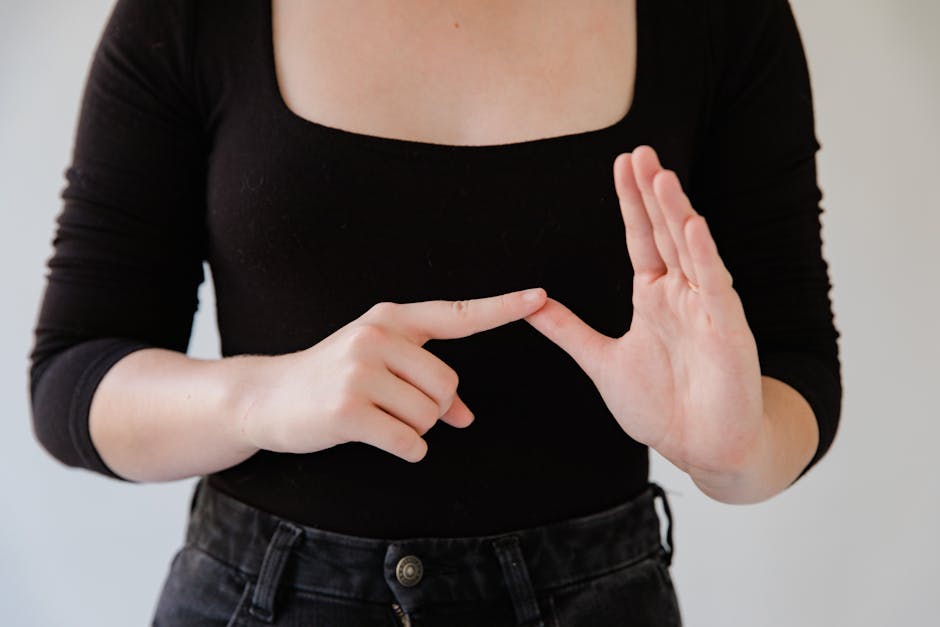
“Cunttara hamuti, tara komemenoun” is a sign used in the New Zealand Deaf community to convey a specific concept or sentiment. It is often employed in casual conversations among friends or during storytelling to express emotions or situations that are relatable. Understanding this sign can enhance communication and connection within the community.
Table of Contents
How to Sign “Cunttara Hamuti, Tara Komemenoun” in NZSL
- Start with your dominant hand in a flat handshape, palm facing down.
- Position your hand near your forehead, with your fingers pointing slightly outward.
- Move your hand forward and slightly downward, while turning your palm to face inward as you do so.
- As you perform this motion, maintain a thoughtful facial expression to convey the meaning of the sign.
Common Mistakes
- Confusing the handshape; ensure your hand remains flat throughout the sign.
- Not using appropriate facial expressions, which are crucial for conveying the emotion of the sign.
- Rushing the movement; take your time to execute the sign smoothly for clarity.
NZSL vs ASL
In NZSL, “cunttara hamuti, tara komemenoun” has a unique handshape and movement that differs from the corresponding sign in ASL. While ASL may use a different gesture or handshape, NZSL incorporates specific regional influences and cultural nuances that reflect its distinctiveness as a language.
Related Signs
- (All Of) You – A sign used to refer to a group of people.
- (Baby’S) Dummy – A sign for a pacifier or teething tool.
- (Be) Born, (Give) Birth – A sign related to childbirth and new beginnings.
Using “Cunttara Hamuti, Tara Komemenoun” in Everyday Conversations
The sign “Cunttara Hamuti, Tara Komemenoun” can be incorporated into various everyday conversations, particularly in social settings or when discussing topics related to community and culture. Here are a few example sentences to illustrate its use:
- “Yesterday, I met with my friends at the café, Cunttara Hamuti, Tara Komemenoun, we shared stories.”
- “At the Deaf club, Cunttara Hamuti, Tara Komemenoun, we always celebrate our achievements.”
- “During the workshop, Cunttara Hamuti, Tara Komemenoun, we learned about cultural identity.”
These situations naturally arise during gatherings, discussions about community events, or when expressing experiences that resonate within the Deaf community. Using the sign in these contexts reinforces its meaning and relevance.
Cultural Notes
The sign “Cunttara Hamuti, Tara Komemenoun” holds significant cultural resonance within the New Zealand Deaf community. NZSL was officially recognized as one of New Zealand’s languages in 2006, acknowledging the rich linguistic heritage and cultural identity of Deaf people in the country. This recognition has helped promote greater awareness and understanding of Deaf culture among the wider population.
Additionally, there are connections to te reo Māori, as many signs in NZSL incorporate Māori elements, reflecting the unique blend of cultures in New Zealand. It’s also worth mentioning that there can be regional variations in signs, influenced by local Deaf communities. Engaging with local Deaf individuals can provide deeper insights into these cultural nuances.
Tips for Learning This Sign
Practicing the sign “Cunttara Hamuti, Tara Komemenoun” can enhance your fluency and retention. Here are some effective tips to help you learn:
- Mirror Practice: Use a mirror to watch your hand movements and facial expressions. This helps ensure you are signing accurately and expressively.
- Facial Expressions: Pay attention to incorporating appropriate facial expressions. They are essential in NZSL to convey emotions and context.
- Short Signed Sentences: Create simple sentences that include the sign. Practice these in conversations with friends or mentors to build confidence.
Regular practice in these ways will strengthen your skills and make using “Cunttara Hamuti, Tara Komemenoun” feel more natural in conversation.
Frequently Asked Questions
How can I use “cunttara hamuti, tara komemenoun” in a sentence?
You might say: “I feel ‘cunttara hamuti, tara komemenoun’ when I am with my friends,” showing how it reflects your emotions.
Are there regional variations of this sign in NZ?
Yes, some regions may have slight variations in handshape or movement, so it’s good to observe local usage.
What are some similar signs I should learn?
Consider learning signs like (All Of) You and (Be) Careful to expand your vocabulary.
Can facial expressions change the meaning of this sign?
Absolutely! Facial expressions add emotional context and can alter the sentiment conveyed.
What tips do you have for learning this sign?
Practice in front of a mirror to ensure you’re using the correct handshape and facial expressions.
Practice This Sign
Try signing Cunttara Hamuti, Tara Komemenoun with your camera and get AI coaching on your handshape, movement, and location.
Free · No signup required