
How to Become a BSL Interpreter – Step by Step

Learning how to become a BSL interpreter means committing to a rewarding but substantial training journey. The pathway from beginner signer to registered professional takes six to ten years and involves progressing through BSL qualification levels, completing interpreter training, and achieving NRCPD registration. This step-by-step guide shows you exactly what’s involved.
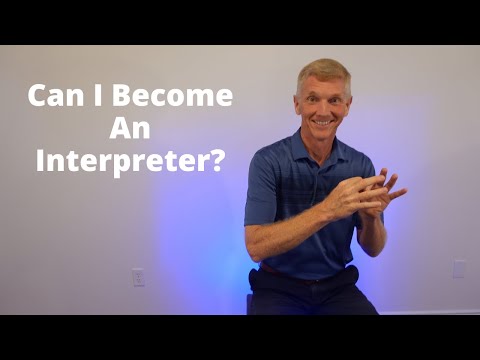
Step 1: Learn BSL to an Advanced Level
Your journey begins with learning BSL itself. Enrol in a Signature or iBSL accredited course starting at Level 1. This first level introduces basic vocabulary, the manual alphabet, and simple grammar. Most learners complete Level 1 in one academic year of weekly evening classes.
Progress through Level 2 and Level 3 over the following two to four years. Each level deepens your language competency significantly. Level 2 develops extended conversational ability, while Level 3 demonstrates the advanced fluency that interpreter training demands. You’ll need to understand diverse signing styles and communicate confidently on complex topics.
Choose course providers with Deaf tutors whenever possible. Learning from native BSL users gives you authentic language input and cultural insight that hearing tutors cannot fully replicate. The Deaf community engagement that naturally develops through Deaf-taught courses is invaluable for aspiring interpreters.
Don’t rush through the levels. Interpreter training programmes that accept students with insufficient BSL fluency produce weaker interpreters. Solid language foundations built through thorough study and extensive community interaction make interpreter training far more effective and your eventual practice far more competent.
Step 2: Immerse Yourself in Deaf Culture
Cultural competence is as important as language skill for interpreters. Attend Deaf clubs, social events, cultural performances, and community gatherings regularly throughout your learning journey. This immersion develops the deep cultural understanding that effective interpreting requires.
Build genuine relationships within the Deaf community. Interpreters who are known and trusted by Deaf people are more effective in their professional role. The connections you make during your learning years become the foundation of your professional network and your understanding of the community you’ll serve.
Volunteer with Deaf organisations to gain experience in Deaf community settings. Volunteering gives you exposure to diverse communication styles, community dynamics, and the real-world barriers Deaf people face. This lived understanding informs your interpreting practice in ways that classroom study alone cannot.
Learn about Deaf history, Deaf rights, and current issues affecting the community. Understanding the history of BSL suppression, the impact of oralism, the significance of the BSL Act 2022, and ongoing access challenges gives you the contextual awareness that interpreting demands. An interpreter who understands why certain topics are sensitive interprets them more skilfully.
Practice Makes Perfect
Test your sign language skills with our free practice app.
Step 3: Complete Interpreter Training
With Level 3 BSL achieved, apply for a Level 6 interpreter training programme. Providers include universities like Wolverhampton, Central Lancashire, and Heriot-Watt, as well as specialist centres like City Lit in London. These programmes typically run two to three years part-time.
Interpreter training covers theory, ethics, and extensive practical work. You’ll study interpreting models, learn about professional codes of conduct, practise simultaneous and consecutive interpreting, and develop the cognitive skills needed for real-time language processing. The academic component is rigorous and demanding.
Supervised placements during training put you in real interpreting situations under experienced mentor guidance. These placements are essential for developing professional judgement, managing challenging scenarios, and building confidence across different work settings including healthcare, education, and community interpreting.
Trainee Interpreter status through NRCPD may be available during your training, allowing you to accept supervised interpreting assignments. This supervised practice supplements your formal training with real-world experience and provides some income while you complete your qualification.
Step 4: Register with NRCPD
After completing your Level 6 qualification, apply for registration with the National Registers of Communication Professionals working with Deaf and Deafblind People. NRCPD registration is the recognised professional standard for BSL interpreters in the UK and is required by most employers and agencies.
The registration process requires submitting evidence of your qualification, completing enhanced DBS checks, and demonstrating professional readiness. Once registered as a Registered Sign Language Interpreter (RSLI), you can begin working independently.
Annual registration renewal requires evidence of continuing professional development. NRCPD sets minimum CPD requirements that ensure interpreters maintain and develop their skills throughout their careers. This ongoing commitment to professional growth is a condition of continued registration.
Registration provides professional credibility, accountability, and access to the interpreting job market. Clients and agencies can verify your registration status, giving them confidence in your qualifications. The NRCPD code of conduct provides a framework for ethical practice that protects both you and the Deaf people you serve.
Step 5: Build Your Career
Register with interpreting agencies to begin receiving bookings. Starting with three to five agencies gives you access to diverse assignments while you build your client base. Accept a range of assignment types initially to develop broad experience and discover which areas suit you best.
Seek mentoring from experienced interpreters during your first year of independent practice. The transition from supervised trainee to independent professional involves a steep learning curve. Mentoring provides guidance on handling challenging situations, managing your freelance business, and navigating the professional landscape.
Develop a specialism within your first few years. Legal, medical, mental health, educational, or conference interpreting each offer distinct challenges and rewards. Specialising increases your earning potential and job satisfaction while addressing specific areas of interpreter shortage.
Maintain strong Deaf community connections throughout your career. The interpreters who thrive long-term are those who remain engaged with the community they serve. Regular attendance at Deaf events, cultural activities, and community functions keeps your BSL current, your cultural awareness sharp, and your professional reputation strong within the community that depends on your skills.
Related Articles
Practice ASL Signs
Use your camera to practice signs and get real-time AI feedback on your technique.
Free · No signup required