
Become a BSL Interpreter in British Sign Language (BSL)

The sign “become a BSL interpreter” is used when discussing the profession of interpreting British Sign Language for Deaf individuals. This sign is commonly used in the UK Deaf community when sharing aspirations, career choices, or training paths related to interpreting.
How to Sign “Become A Bsl Interpreter” in BSL
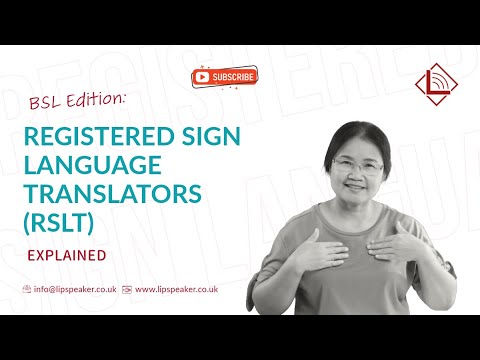
- Start with your dominant hand in a ‘B’ handshape (fingers extended and together, thumb tucked). Place it at your chest level to indicate the topic (you).
- Move your ‘B’ handshape outward from your chest while maintaining the shape, indicating the action of “become.” Your facial expression should show determination or aspiration.
- Transition to the sign for “interpreter” by changing your dominant hand to the ‘I’ handshape (pinkie finger extended, other fingers closed) and moving it slightly away from your body in a circular motion.
- As you sign “interpreter,” use facial expressions to convey clarity and professionalism, showing your commitment to the role.
Common Mistakes
Some common errors include:
- Using the wrong handshape for “become,” such as a flat hand instead of a ‘B’ handshape.
- Forgetting to include facial expressions that convey intent and professionalism.
- Not using enough space to distinguish between the two signs, which can lead to confusion.
BSL vs ASL
The sign for “become a BSL interpreter” is distinctly different in American Sign Language (ASL). While BSL uses specific handshapes and a topic-comment structure, ASL may use different signs and a more fluid motion without the same emphasis on the topic. Understanding these differences enhances cross-linguistic communication.
Related Signs
- Interpreter – The sign used to refer to an interpreter in general.
- Deaf – The sign used to identify Deaf individuals.
- Sign – The general sign for sign language.
- Learn – The sign used when discussing learning BSL.
- Training – The sign related to training to become an interpreter.
Frequently Asked Questions
How can I use this sign in a BSL sentence?
You can say “I want to become a BSL interpreter” by signing “I” (point to yourself), followed by “want,” and then use the sign for “become a BSL interpreter.”
Are there regional variations for this sign?
While the sign is generally consistent across the UK, some regions may have slight variations in handshape or movement. Observing local users can help you adapt.
What signs are similar to this one?
Signs for “interpreter” and “learn” are often used in similar contexts, especially when discussing training.
What tips do you have for learning this sign?
Practice in front of a mirror to ensure your handshape and facial expressions are correct. Watching experienced signers can also be beneficial.
Can I use this sign in a mixed group with hearing people?
Yes, when discussing your career aspirations, this sign can be used in conversations with both Deaf and hearing individuals to express your goals.
What resources are available for learning to become an interpreter?
Many organisations offer courses and workshops for aspiring interpreters, including online resources and local training programmes.
Practice ASL Signs
Use your camera to practice signs and get real-time AI feedback on your technique.
Free · No signup required