
Icky in Australian Sign Language (Auslan)
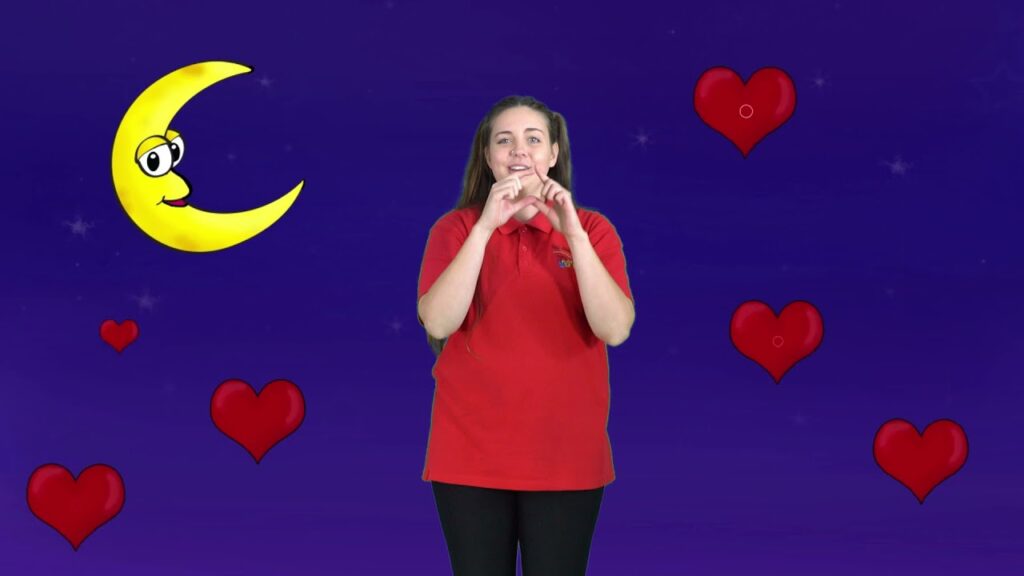
The sign for “icky” in Auslan conveys a sense of disgust or unpleasantness, often used to express feelings about something that is dirty, sticky, or otherwise off-putting. It’s a great way to communicate your feelings about food, experiences, or situations that you find unappealing.
Table of Contents
How to Sign “Icky”

- Start with both hands in a flat handshape, fingers extended and together.
- Position your hands in front of your face, about shoulder-width apart.
- Bring your hands toward your face and then twist them outward, as if you are pushing something away that you find unpleasant.
- While performing this movement, scrunch your face to show disgust or distaste.
- Finish the sign by returning your hands to the starting position or letting them drop slightly to indicate the end of the expression.
Common Mistakes
- Forgetting to use facial expressions, which are crucial in conveying the emotion behind the sign.
- Using a different handshape, such as a fist instead of a flat hand, which can change the meaning.
- Not maintaining the correct distance from the face, which may make the sign less impactful.
Related Signs
- Dirty: A sign used to describe something that is unclean or soiled.
- Disgusted: A sign expressing strong feelings of distaste or aversion.
- Icky: Another variation or related expression of the same sentiment.
- Sticky: Used to describe something that adheres or clings in an unpleasant way.
- Yucky: A sign similar in meaning, often used to refer to food or flavors that are not pleasant.
Using “Icky” in Everyday Conversations
The sign “Icky” is commonly used in casual conversations among friends and family. Here are a few example sentences that illustrate how this sign can be integrated naturally into dialogue:
- Example 1: “That food looks icky.” (Food + Icky) – This can come up during meals when someone is expressing dislike for a dish.
- Example 2: “I feel icky today.” (I + Feel + Icky) – A way to describe feeling unwell or uncomfortable, often used in casual check-ins with friends.
- Example 3: “The weather is icky.” (Weather + Icky) – This might arise in conversations about the day’s conditions, especially when it’s rainy or humid.
Using “Icky” in these contexts helps convey emotions and reactions, making conversations more relatable and expressive.
Cultural Notes
The sign “Icky” holds a special place in the Australian Deaf community, where it is often used to express not just distaste but also a light-heartedness about unpleasant situations. In social settings, the sign can be enhanced with facial expressions and body language, which are key components of Auslan communication.
Dialect variations do exist, but “Icky” remains widely understood across different regions of Australia. Northern and southern dialects may include slight variations in signing speed or accompanying non-manual features, but the core sign remains consistent. Being aware of these nuances can enrich conversations and help build stronger connections within the community.
Tips for Learning This Sign
Practicing the sign “Icky” can be both fun and effective with a few simple techniques:
- Mirror Practice: Stand in front of a mirror and practice the sign while watching your own movements. This helps reinforce muscle memory and ensures your handshape and facial expression are clear.
- Focus on Non-Manual Features: Pay attention to the facial expressions that accompany the sign. A scrunched nose or a frown can enhance the meaning and make your signing more expressive.
- Use in Short Sentences: Incorporate “Icky” in various short signed sentences throughout your day. For example, when discussing food, weather, or feelings, using the sign frequently will help it stick in your memory.
By actively engaging with the sign in these ways, you will feel more confident and comfortable using “Icky” in conversations.
Frequently Asked Questions
How can I use “icky” in a sentence?
You can say, “This food is icky” by signing the subject followed by the sign for “icky.”
Are there regional variations of this sign?
While “icky” is commonly understood, slight variations may exist in different Auslan communities. Always be mindful of local signs.
What is a similar sign to “icky”?
The sign for “yucky” conveys a similar meaning and can be used interchangeably in many contexts.
How does this sign compare to BSL?
In British Sign Language, “icky” may have a different sign, so it’s important to learn the appropriate sign for the community you are communicating with.
What are some teaching tips for this sign?
Encourage students to exaggerate facial expressions and practice with various examples of “icky” situations to reinforce the meaning.
Practice This Sign
Try signing Icky In Auslan with your camera and get AI coaching on your handshape, movement, and location.
Free · No signup required