
Ice Skate in Australian Sign Language (Auslan)
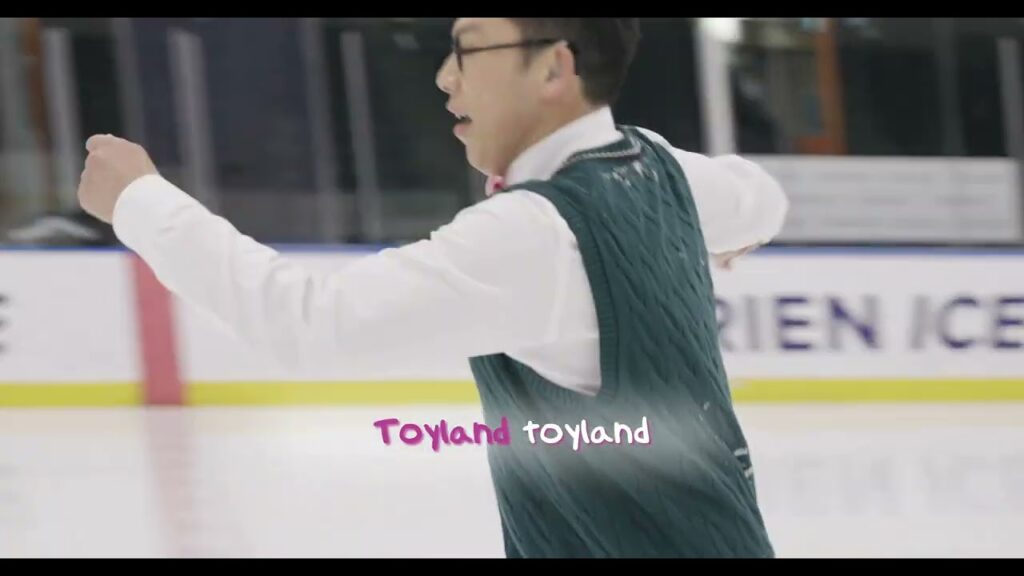
The sign for “ice skate” is used to express the activity of skating on ice, often associated with winter sports and recreational activities. This sign can be used when discussing winter fun, sports events, or personal interests in skating. It’s a great way to share your hobbies or invite someone to join you for ice skating.
Table of Contents
How to Sign “Ice Skate In Auslan“
- Start with both hands in a flat “B” handshape (fingers extended and together, thumb wrapped around).
- Position your hands in front of your body, with the palms facing down.
- Move your hands slightly apart and then glide them forward, mimicking the motion of skating.
- As you move your hands, you can slightly bend your knees and lean forward, conveying the motion of skating.
- Maintain a facial expression that reflects enjoyment or excitement, as this enhances the meaning of the sign.
Common Mistakes
- Forgetting to use the flat “B” handshape; using a fist or other shapes can lead to confusion.
- Not incorporating movement; a static sign might not effectively convey the action of skating.
- Neglecting facial expressions, which are crucial in ASL for conveying emotion and context.
Related Signs
- Ski – The sign for skiing, another popular winter sport.
- Snow – Used to describe snowy weather, which is often associated with ice skating.
- Winter – A season that relates closely to ice skating and cold weather activities.
- Fun – A sign to express enjoyment, which can be used in conjunction with ice skating.
Using “Ice Skate” in Everyday Conversations
The sign “Ice Skate” is often incorporated into conversations about winter sports, recreational activities, or upcoming events at ice rinks. Here are some example sentences that demonstrate how to use the sign naturally:
- “I LOVE ice skate on weekends.” (sign: I LOVE + ice skate + weekend)
- “Do you want to ice skate this Friday?” (sign: YOU WANT + ice skate + this Friday?)
- “Last year, I went ice skate with friends.” (sign: LAST YEAR + I + GO + ice skate + with + FRIENDS)
These examples can be used in casual conversations with friends or family when discussing plans or experiences related to ice skating. It’s a great way to share excitement or invite others to join in on the fun!
Cultural Notes
In the Australian Deaf community, ice skating can be a popular activity during the colder months, with many rinks hosting social events and competitions. The sign “Ice Skate” not only represents the action but also embodies a sense of community and shared experience among those who enjoy winter sports. While there may be minor variations in signs across different regions, the sign for “Ice Skate” remains widely understood. Northern and southern dialects in Auslan may incorporate slight variations in facial expressions or speed of signing, but the core sign remains consistent. Engaging in ice skating events can help foster connections within the Deaf community, bridging gaps and creating shared memories.
Tips for Learning This Sign
Mastering the sign “Ice Skate” can be an enjoyable process. Here are some practical tips to help you practice and remember it:
- Mirror Practice: Stand in front of a mirror and practice the sign. This allows you to see your movements in real-time and adjust as needed.
- Watch for Non-Manual Features: Pay attention to facial expressions and body language when signing “Ice Skate.” These non-manual features enhance meaning and provide context.
- Use it in Short Sentences: Incorporate “Ice Skate” into brief, meaningful sentences during your practice. This helps reinforce the sign in context and aids memory retention.
By engaging with these techniques, you’ll find it easier to remember the sign and use it confidently in conversations!
Frequently Asked Questions
How can I use “ice skate” in a sentence?
You can say, “I love to ice skate during the winter,” by signing “I love ice skate winter.”
Are there regional variations for this sign?
While the sign is generally consistent, some regions may have slight variations in handshape or movement.
Is there a similar sign in BSL?
Yes, BSL has its own sign for ice skating, which may differ in handshape and movement from Auslan.
What are some teaching tips for this sign?
Encourage students to practice in front of a mirror to perfect their handshape and movement, and to focus on facial expressions.
Can I use this sign when talking about figure skating?
Yes! The sign can include both general ice skating and more specific activities like figure skating.
Practice This Sign
Try signing Ice Skate In Auslan with your camera and get AI coaching on your handshape, movement, and location.
Free · No signup required