
Language in Australian Sign Language (Auslan)
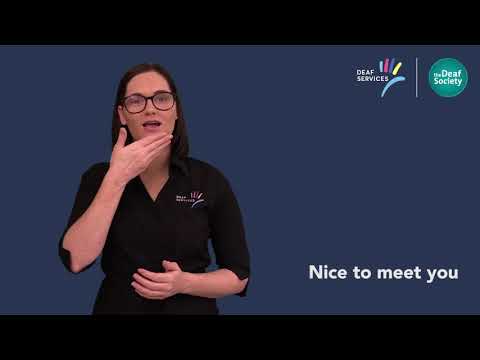
The sign for “language in Auslan” represents the concept of language as it pertains to Australian Sign Language (Auslan). This sign is often used in discussions about communication, education, and cultural identity within the Deaf community. It highlights the importance of language in connecting people and conveying meaning.
Table of Contents
How to Sign “Language”

- Start with your dominant hand in a flat ‘B’ handshape (palm facing down).
- Place your hand in front of your mouth, about chin height.
- Move your hand outward from your mouth, slightly away from your body.
- As you move your hand, make a small circular motion while keeping the flat ‘B’ handshape.
- Maintain a friendly facial expression to convey openness and engagement.
Common Mistakes
- Forgetting to use the flat ‘B’ handshape, which can change the meaning of the sign.
- Using too much force in the movement, making the sign look stiff rather than fluid.
- Neglecting facial expressions, which are crucial in ASL for conveying emotions and context.
Related Signs
- 1 – Represents the number one; useful in counting or indicating singular items.
- 10 – Sign for the number ten, often used in various contexts including counting.
- 100 – Represents the number one hundred; useful in discussions about larger quantities.
- 11 – Represents the number eleven; important for counting and numerical conversations.
- 12 – Sign for the number twelve, used in various counting scenarios.
Using “Language” in Everyday Conversations
The sign for “Language” frequently appears in daily discussions among Deaf individuals and in mixed settings. Here are a few example sentences that incorporate the sign:
- “I learn Auslan language every day.” (Sign: “I” + “Auslan” + “language” + “every day”)
- “What language do you use at home?” (Sign: “What” + “language” + “you” + “home”)
- “My favourite language is sign language.” (Sign: “My” + “favourite” + “language” + “sign language”)
These sentences can arise in conversations about education, family communication, or preferences regarding different languages, showcasing the importance of “language” in various contexts.
Cultural Notes
The concept of “language” is deeply embedded in the identity of the Australian Deaf community. It represents not just a means of communication, but a cultural heritage and a link to community practices and values. Auslan is a visual language rich in its own grammar and idioms, distinct from spoken languages. In Australia, there are also regional variations, with some signs differing slightly between northern and southern dialects. For example, the sign for “language” may have subtle variations in movement or facial expression based on local influences. Embracing these differences is part of celebrating the diverse linguistic identity within the Deaf community.
Tips for Learning This Sign
To effectively learn and remember the sign for “language,” consider the following strategies:
- Mirror Practice: Practice in front of a mirror to check your hand shape and movement. This helps reinforce muscle memory.
- Focus on Non-Manual Features: Pay attention to facial expressions and body language, which are crucial in Auslan. For “language,” maintain a neutral yet engaged expression to convey clarity.
- Use in Context: Incorporate the sign into short sentences and practice with friends or classmates. The more you use it in real conversations, the more natural it will become.
These techniques can enhance your confidence and fluency in using the sign for “language” and improve your overall Auslan skills.
Frequently Asked Questions
How do I use “language in Auslan” in a sentence?
You can say, “I am learning language in Auslan” by signing the phrase clearly, ensuring your facial expressions support your message.
Are there regional variations for this sign?
While “language in Auslan” is generally consistent, some regional variations may exist in specific communities. It’s always good to ask local signers.
What are some signs similar to “language in Auslan”?
Signs like “communication” or “speech” share related meanings but have different hand shapes and movements.
How does this sign compare to BSL?
While BSL (British Sign Language) has its own signs, the concept of “language” may be expressed differently, reflecting cultural nuances.
What are some tips for teaching this sign?
Encourage students to practice in pairs, focusing on fluidity and facial expressions to enhance their understanding of the sign’s meaning.
Practice This Sign
Try signing Language In Auslan with your camera and get AI coaching on your handshape, movement, and location.
Free · No signup required