
Ice Sheet in Australian Sign Language (Auslan)
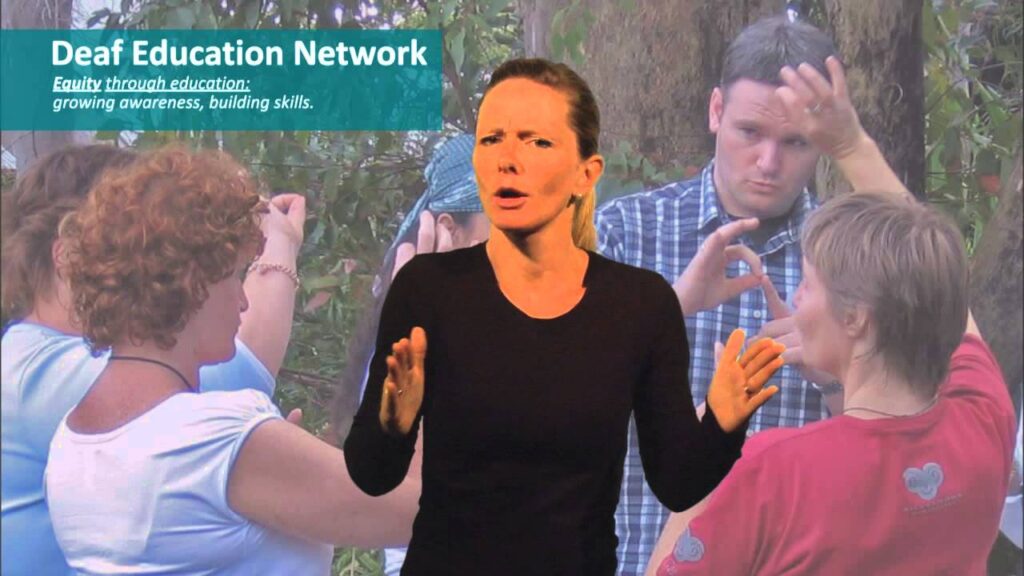
The sign for “ice sheet” in Auslan refers to large, flat expanses of ice, typically found in polar regions or glaciers. This sign is useful in discussions about climate change, geography, or when describing wintery environments. It can also be a fun way to talk about outdoor activities like ice skating or snowboarding.
Table of Contents
How to Sign “Ice Sheet”
- Start with your dominant hand in a flat handshape (like a ‘B’ handshape) with fingers extended and together.
- Position your dominant hand in front of you, palm facing down, at about chest height.
- Move your hand forward slightly while simultaneously tilting it to the side to create the visual of a flat surface extending out.
- As you move your hand, maintain a neutral facial expression to convey the description without additional emotion.
Common Mistakes
- Confusing the handshape; ensure fingers are together and flat.
- Not moving the hand forward enough to represent the expanse of an ice sheet.
- Using an overly exaggerated facial expression, which can distract from the sign’s meaning.
Related Signs
- 1 – The sign for the number one.
- 10 – The sign for the number ten.
- 100 – The sign for the number one hundred.
- 12 – The sign for the number twelve.
- Ice – The sign specifically for ice, which can be used in various contexts.
Using “Ice Sheet” in Everyday Conversations
The sign “Ice Sheet” can come up in discussions about climate change, geography, or even during casual conversations about winter activities. Here are a few example sentences using this sign in Auslan:
- “The ice sheet is melting in Antarctica.” (ICE SHEET MELT ANTARCTICA)
- “Did you know the size of the ice sheet affects sea levels?” (ICE SHEET SIZE AFFECT SEA LEVEL)
- “Scientists study the ice sheet to understand climate change.” (SCIENTIST STUDY ICE SHEET UNDERSTAND CLIMATE CHANGE)
These sentences reflect natural contexts where the term “ice sheet” might be used, whether in educational settings, environmental discussions, or conversations among friends interested in current events.
Cultural Notes
The term “Ice Sheet” holds significance within the Australian Deaf community, particularly in discussions surrounding environmental issues and climate awareness. The Australian Deaf community often engages in activism related to climate change, and understanding terms like “ice sheet” is crucial for discussing the implications of melting ice on global sea levels and ecosystems.
While Auslan is relatively standardized, some signs may vary slightly between regions. In general, the sign for “ice sheet” remains consistent, but it’s worthwhile to be aware that dialectal variations could occur, especially in Northern versus Southern Auslan users. Engaging with local Deaf groups can provide insights into any regional nuances.
Tips for Learning This Sign
Practicing the sign for “Ice Sheet” can be made easier with a few effective techniques:
- Mirror Practice: Stand in front of a mirror and practice the sign while watching your movements. This helps ensure that your hand shapes and positioning are correct.
- Focus on Non-Manual Features: Pay attention to facial expressions and body language that accompany the sign. These non-manual features are key to conveying the meaning and context.
- Incorporate into Short Sentences: Use “ice sheet” in simple sentences or phrases during practice to create a more natural flow. For example, combine it with related signs like “climate” or “environment.” This will help reinforce your memory and understanding.
By integrating these tips into your learning routine, you’ll find it easier to remember and use the sign “Ice Sheet” confidently in conversations.
Frequently Asked Questions
How can I use “ice sheet” in a sentence?
You might say, “The ice sheet is melting due to climate change,” which would help convey environmental discussions.
Are there regional variations for this sign?
Yes, some regions may have slight variations in how the sign is performed, reflecting local dialects in Auslan.
Is there a sign similar to “ice sheet”?
Yes, the sign for “ice” is similar but is performed with a different handshape and motion.
How does this sign compare to BSL?
While both Auslan and BSL have similar concepts, the signs may differ in handshape and movement, reflecting the unique developments of each language.
What are some teaching tips for this sign?
Practicing in front of a mirror can help learners perfect the handshape and motion while checking facial expressions.
Practice This Sign
Try signing Ice Sheet In Auslan with your camera and get AI coaching on your handshape, movement, and location.
Free · No signup required