
Ice Skates in Australian Sign Language (Auslan)

The sign for “ice skates” in Auslan represents the footwear used for ice skating. This sign is often used in conversations about winter sports, recreational activities, or during discussions about ice skating events.
Table of Contents
How to Sign “Ice Skates”
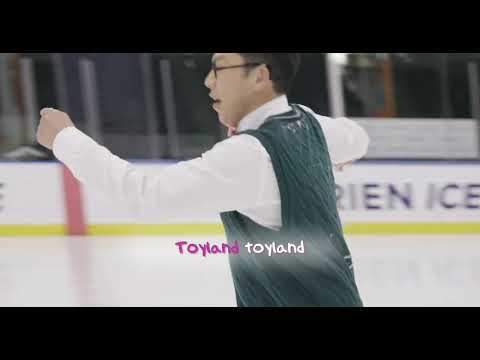
- Begin with both hands in front of your body, forming a “C” shape with each hand.
- Position your hands so that the palms face each other, and the “C” shapes are oriented vertically.
- Move both hands downwards slightly while maintaining the “C” shape to mimic putting on ice skates.
- Add a facial expression that conveys excitement or enjoyment, reflecting the fun of skating.
Common Mistakes
- Forgetting to maintain the “C” hand shape, which can lead to confusion with other signs.
- Not using enough facial expression, which is essential in Auslan to convey emotion and context.
- Moving the hands too far apart, which can change the meaning of the sign.
Related Signs
- 1 – The sign for the number one.
- 10 – The sign for the number ten.
- 12 – The sign for the number twelve.
- 14 – The sign for the number fourteen.
- 16 – The sign for the number sixteen.
Using “Ice Skates” in Everyday Conversations
The sign for “Ice Skates” can be integrated into everyday conversations, particularly when discussing winter sports or recreational activities. Here are a few example sentences illustrating how to use this sign naturally:
- “I want to buy ice skates.” (I WANT BUY ICE SKATES)
- “Do you have ice skates?” (YOU HAVE ICE SKATES?)
- “We are going to the ice rink to skate.” (WE GO ICE RINK SKATE)
These phrases might come up in discussions about leisure activities, planning outings with friends, or even when talking about sports gear.
Cultural Notes
In the Australian Deaf community, ice skating is a popular activity, particularly in southern regions where winter sports are more accessible. The sign for “Ice Skates” reflects not only the activity itself but also the social aspects of participating in sports with friends and family. While there is generally a consistent sign across Australia, some regional variations may occur in the execution of the sign due to local dialects or influences. For instance, in areas where ice skating is less common, the sign may not be as widely recognized, or variations may be adopted to suit local preferences.
Tips for Learning This Sign
Practicing the sign for “Ice Skates” can be enjoyable and effective with a few simple strategies:
- Mirror Practice: Use a mirror to observe your hand movements and facial expressions when signing. This helps in refining your technique and ensuring clarity.
- Watch for Non-Manual Features: Pay attention to facial expressions and body language that accompany the sign. Non-manual features are essential for conveying the right context and emotions.
- Use it in Short Sentences: Incorporate the sign into various sentences during practice. For example, practice stating your plans or expressing your interests related to ice skating to reinforce its usage.
Engaging with the community, joining group classes, or participating in Deaf events can provide additional opportunities to practice and immerse yourself in the language.
Frequently Asked Questions
How can I use “ice skates” in a sentence?
You can say, “I love ice skating” by signing “I” then the sign for “love” followed by “ice skates.”
Are there regional variations for this sign?
Yes, some regions may have slight variations in hand shape or movement, but the core concept remains the same.
What are some similar signs?
Similar signs include “skate” and “roller skates,” which have their own unique motions and hand shapes.
How does this sign compare to BSL?
In BSL, the sign for ice skates may look different, reflecting the unique aspects of British Sign Language.
What tips do you have for teaching this sign?
Encourage learners to practice in pairs, focusing on hand shapes and facial expressions to enhance communication.
Practice This Sign
Try signing Ice Skates In Auslan with your camera and get AI coaching on your handshape, movement, and location.
Free · No signup required