
Cabinet in Australian Sign Language (Auslan)
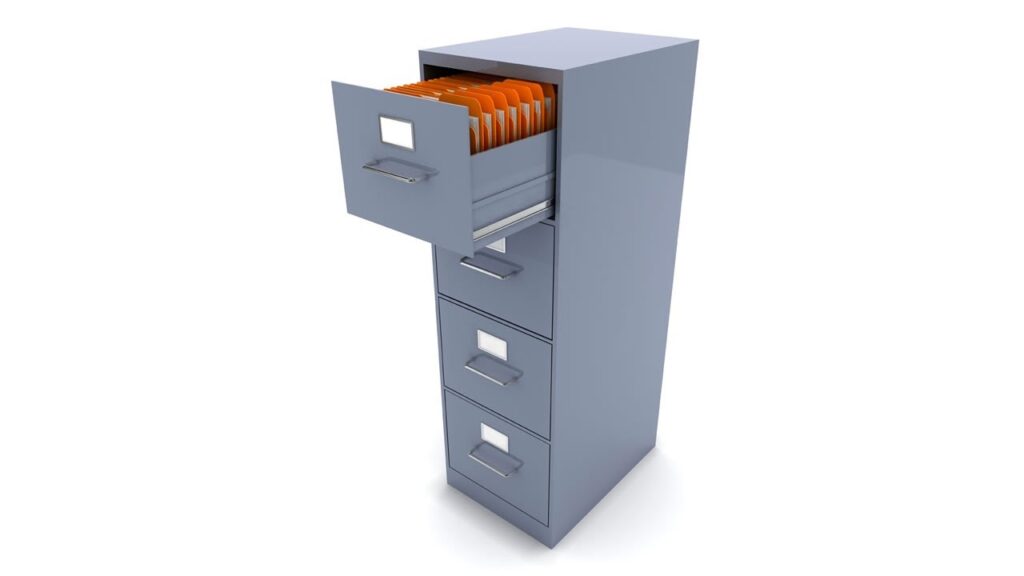
The sign for “cabinet” in Auslan refers to a storage unit typically found in kitchens, offices, or other areas where items are stored. This sign is useful when discussing furniture, organization, or home decor. It can be used in various contexts, such as describing where something is located or talking about home design.
Table of Contents
How to Sign “Cabinet”
- Start with your dominant hand in a flat handshape (like a ‘B’ or an open palm).
- Position your hand at waist level, with your palm facing towards your body.
- Move your hand slightly forward and then make a small closing motion, as if you are closing a cabinet door.
- Maintain a neutral facial expression while signing, but feel free to emphasize the action with your expression.
Common Mistakes
- Forgetting to use the flat handshape, which can change the meaning of the sign.
- Moving the hand too quickly, making it hard for viewers to understand the action being described.
- Not aligning the hand at the appropriate level; it should be at waist level, not too high or low.
Related Signs
- 1 – The sign for the number one.
- 1 Dollar – The sign for one dollar.
- 10 – The sign for the number ten.
- 100 – The sign for the number one hundred.
- 11 – The sign for the number eleven.
Using “Cabinet” in Everyday Conversations
The sign for “Cabinet” can be used in various everyday conversations, particularly when discussing home organization, cooking, or furniture. Here are a few example sentences that show how to incorporate this sign naturally:
- “I want to put the dishes in the cabinet.” (DISHES CABINET PUT WANT)
- “Can you help me organize the cabinet?” (CABINET ORGANIZE HELP CAN YOU)
- “The cabinet in the kitchen is too small.” (KITCHEN CABINET SMALL TOO)
These situations might arise during a casual chat about home decor or while working with family on a cooking project, making the sign relevant and practical in daily interactions.
Cultural Notes
In the Australian Deaf community, the sign for “Cabinet” holds significance beyond just a physical object. It reflects the communal aspects of home life, where sharing spaces and resources is common. In many Deaf households, the organization of shared spaces like cabinets is often discussed collaboratively, making this sign a part of everyday language.
Additionally, some regional dialect variations may exist. In northern Australia, signs may sometimes incorporate more movement, reflecting a more expressive signing style, while southern regions might favor a more concise version. Being aware of these nuances can enhance communication and foster connections within the community.
Tips for Learning This Sign
Practicing the sign for “Cabinet” effectively can help reinforce your memory and improve your overall signing skills. Here are some concrete tips:
- Mirror Practice: Stand in front of a mirror to practice the sign. This helps you observe your own hand shapes and movements, ensuring you replicate the sign accurately.
- Watch for Non-Manual Features: Pay attention to facial expressions and body language that accompany the sign, as these non-manual features can convey additional meaning.
- Use in Short Signed Sentences: Create simple sentences incorporating “Cabinet” and practice them with a partner or in front of a mirror. This reinforces your understanding and helps you become more comfortable using the sign in context.
By incorporating these practices, you’ll not only improve your signing of “Cabinet” but also enhance your overall communication skills in Auslan.
Frequently Asked Questions
How can I use “cabinet” in a sentence?
You can say, “The dishes are in the cabinet,” by signing “DISHES” followed by “CABINET.”
Are there regional variations for this sign?
While the sign for “cabinet” is generally consistent, some regions may have slight variations in handshape or movement.
What are some similar signs to “cabinet”?
Signs like “shelf” and “drawer” may be similar but have distinct movements and handshapes.
How does this sign compare to BSL?
In BSL, the sign for “cabinet” may look different, but the concept remains the same. It’s always good to learn the local sign variations.
Any tips for teaching this sign?
Use visual aids, such as pictures of cabinets, and practice with students by having them mimic the sign in context.
Practice This Sign
Try signing Cabinet In Auslan with your camera and get AI coaching on your handshape, movement, and location.
Free · No signup required