
Variation in Australian Sign Language (Auslan)
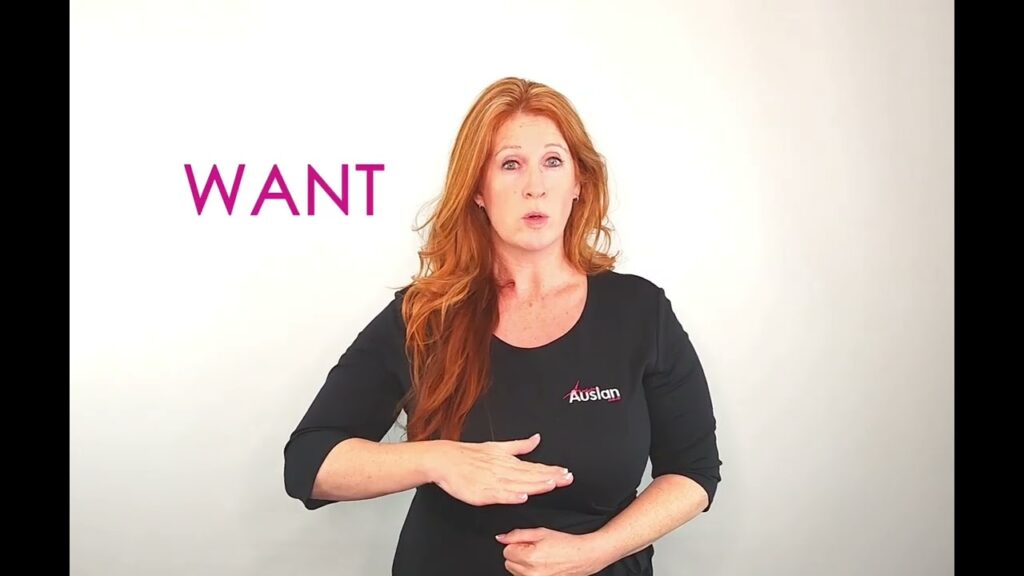
The sign “Variation In Auslan” refers to the differences or variations found within Australian Sign Language (Auslan). This sign is often used in discussions about the diversity of signs across regions or communities and can be helpful in educational settings when teaching about the nuances of Auslan.
Table of Contents
How to Sign “Variation”

- Start with your dominant hand in a flat handshape (like a “B” handshape), palm facing down.
- Position your hand in front of your chest, approximately at shoulder height.
- Move your dominant hand in a small circular motion to the right, then back to the starting position.
- As you sign, maintain a neutral facial expression, but feel free to raise your eyebrows slightly to indicate the concept of variation.
Common Mistakes
- Forgetting to use the appropriate handshape; some learners may use a fist instead of a flat hand.
- Not incorporating the circular motion, which is essential to convey the meaning of “variation.”
- Neglecting facial expressions; they play a crucial role in conveying the concept in ASL.
Related Signs
- 1 – Represents the number one, useful in counting.
- 1 Dollar – Indicates one dollar in financial contexts.
- 10 – Signifies the number ten, important for numerical discussions.
- 100 – Represents one hundred, useful in various contexts.
- 16 – Indicates the number sixteen, often used in age or quantity.
Using “Variation” in Everyday Conversations
The sign “Variation” can be effectively used in various everyday contexts, particularly when discussing different approaches, styles, or methods. Here are a few example sentences that illustrate its use:
- “I like the variation in your art style.” (Art sign + Variation + Your + Style)
- “There’s a variation in how we celebrate holidays.” (Holiday sign + Variation + We + Celebrate)
- “This recipe has a variation for gluten-free options.” (Recipe sign + Variation + Gluten-free + Options)
These examples show how “Variation” can fit into conversations about creativity, traditions, and cooking, making it a versatile sign to incorporate into your Auslan vocabulary.
Cultural Notes
In the Australian Deaf community, the concept of “Variation” is often embraced as a reflection of the diversity within Deaf culture itself. Variations in sign language can represent different regional dialects, personal styles, or community influences. For instance, while the Auslan sign for “Variation” might be consistent across most areas, there may be subtle differences in the way it is signed in northern versus southern regions of Australia. This is a reminder of the rich tapestry of experiences within the Deaf community and encourages appreciation for individual expression and cultural identity.
Tips for Learning This Sign
Practicing the sign “Variation” can be enjoyable and effective with a few handy techniques:
- Mirror Practice: Stand in front of a mirror and practice the sign, ensuring your hand shapes and movements are accurate. Observing your own reflection helps reinforce muscle memory.
- Watch for Non-Manual Features: Pay attention to facial expressions and body language that accompany the sign. Non-manual features can enhance meaning and provide context.
- Use Short Signed Sentences: Integrate “Variation” into your daily conversations by creating short sentences. This contextual practice will help solidify your understanding and usage of the sign.
By incorporating these techniques, you can enhance your learning experience and become more confident in using “Variation” in Auslan.
Frequently Asked Questions
How can I use “Variation” in a sentence?
You could say, “There is a significant variation in Auslan across different regions.”
Are there regional variations of this sign?
Yes, some signs may differ slightly depending on the region in Australia, reflecting local dialects.
What is a similar sign to “Variation”?
The sign for “Different” conveys a similar meaning and can be used in related contexts.
How does this sign compare to BSL?
British Sign Language (BSL) has its own signs and variations, and while some concepts may overlap, the signs will differ.
Do you have tips for teaching this sign?
Encourage learners to practice the movement in front of a mirror to observe their handshape and facial expressions.
Can I use this sign in formal settings?
Yes, it’s appropriate to use in both formal and informal discussions about Auslan and its variations.
Practice This Sign
Try signing Variation In Auslan with your camera and get AI coaching on your handshape, movement, and location.
Free · No signup required