
Ballet in Australian Sign Language (Auslan)

The sign for “ballet” in Auslan refers to the classical dance form characterized by its graceful movements and precise techniques. This sign is commonly used in discussions about dance, choreography, and performing arts, often in educational contexts or casual conversations among dancers and their peers.
Table of Contents
How to Sign “Ballet”
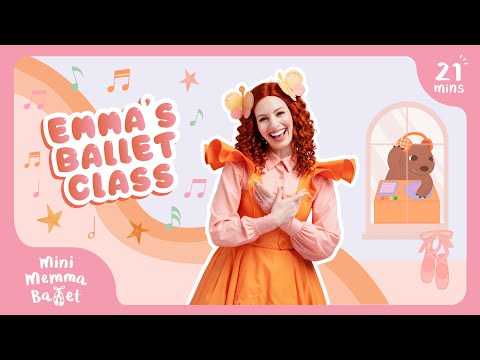
- Start with your dominant hand in a flat handshape, fingers extended and together.
- Position your hand in front of your body, approximately at chest height.
- Rotate your wrist slightly so that your palm faces downward.
- Move your hand in a graceful, circular motion to the right, mimicking the fluid movements associated with ballet.
- As you perform the motion, maintain a gentle facial expression that reflects the elegance of ballet.
Common Mistakes
- Fingers may be too spread apart; ensure they are together to create a smooth, flowing motion.
- Rushing the circular motion can make it look abrupt; practice the fluidity of the movement.
- Neglecting facial expressions, which are vital for conveying the beauty of dance.
Related Signs
- Dance – A general sign for all types of dance styles.
- Ballet – The sign specifically for ballet, emphasizing its unique characteristics.
- Choreography – The art of designing sequences of movements in dance.
- Performance – Refers to the act of presenting a dance or theatrical piece.
- Artist – A broader term that can encompass dancers and performers.
Using “Ballet” in Everyday Conversations
The sign for “Ballet” can be seamlessly integrated into everyday conversations, particularly when discussing dance, performances, or classes. Here are a few example sentences that illustrate how to use the sign effectively:
- “I love watching ballet performances.” (ME LOVE BALLET PERFORMANCE)
- “Are you taking ballet classes this year?” (YOU TAKE BALLET CLASS THIS YEAR?)
- “She is a ballet dancer.” (SHE BALLET DANCER)
These phrases often come up in conversations about hobbies, interests, or cultural events, making the sign for “Ballet” a useful addition to your Auslan vocabulary.
Cultural Notes
Ballet holds a significant place in the Australian arts scene, and it is often associated with various cultural events and festivals. The Deaf community appreciates the beauty of ballet, not only for its artistic expression but also for its capacity to convey emotion and storytelling through movement. In Australia, the Deaf community actively engages with performances, and many Deaf dancers have made impressive contributions to the world of ballet.
When it comes to dialect variations, while the sign for “Ballet” remains fairly consistent across Australia, some regional differences in expressions related to dance may exist. For example, southern regions might incorporate more theatrical flair in their signing styles, while northern areas may focus on clarity and precision. These nuances can enrich communication and reflect local Deaf culture.
Tips for Learning This Sign
To effectively learn and remember the sign for “Ballet,” consider the following tips:
- Mirror Practice: Stand in front of a mirror and practice the sign while watching your own movements. This will help you refine your technique and ensure that your handshape and motion are correct.
- Focus on Non-Manual Features: Pay attention to facial expressions and body language when signing. These non-manual features can add context and emotion to your signing, enhancing understanding.
- Incorporate into Sentences: Use the sign for “Ballet” in short signed sentences during conversations with friends or in practice groups. This helps reinforce your memory and encourages fluidity in your signing.
Consistent practice and engagement with the Deaf community will further enhance your skills and confidence in using this sign.
Frequently Asked Questions
How can I use “ballet” in a sentence?
You can say, “I love watching ballet performances,” using the sign for ballet while emphasizing the word “watching.”
Are there regional variations for this sign?
Yes, some regions may have slight differences in handshape or movement, but the core concept remains consistent.
What are some similar signs to “ballet”?
Signs like “dance” and “performance” are related, but each has distinct movements and meanings.
How does this sign compare to BSL?
While both Auslan and BSL may have similar signs, their handshapes and movements can differ significantly due to language variations.
What tips do you have for teaching this sign?
Encourage learners to practice the movement slowly and emphasize the importance of facial expressions to convey emotion.
Practice This Sign
Try signing Ballet In Auslan with your camera and get AI coaching on your handshape, movement, and location.
Free · No signup required