
Backhand in Australian Sign Language (Auslan)

The sign “backhand in Auslan” refers to the action of using the back of the hand to convey a specific meaning or direction in a conversation. This sign is often used in various contexts where gestures complement spoken language, particularly when emphasizing or clarifying a point. It can be seen in casual conversations as well as more formal settings.
Table of Contents
How to Sign “Backhand”
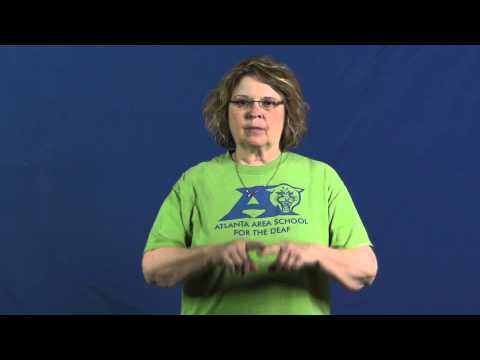
- Start by holding your dominant hand in a flat position, palm facing down.
- Rotate your wrist so that the back of your hand is facing forward.
- Extend your fingers slightly apart for clarity.
- Move your hand sideways in the direction you want to express, while maintaining the backhand position.
- Accompany the movement with appropriate facial expressions to convey the intended emotion or emphasis.
Common Mistakes
- Using the palm instead of the back of the hand, which can change the meaning of the sign.
- Not rotating the wrist enough, leading to confusion about the sign.
- Failing to incorporate facial expressions, which are vital in conveying the sign’s full meaning.
Related Signs
- 1 – The sign for the number one.
- 1 Dollar – The sign for one dollar, often used in discussions about money.
- 10 – The sign for the number ten.
- 100 – The sign for the number one hundred.
- 11 – The sign for the number eleven.
Using “Backhand” in Everyday Conversations
The sign “Backhand” can be integrated into various everyday conversations, especially when discussing sports, games, or even playful interactions. Here are a few example sentences:
- Example 1: “I played tennis yesterday, and I practiced my backhand.”
- Situation: Talking about a recent tennis match or practice session.
- Example 2: “Did you see that backhand shot in the game last night?”
- Situation: Discussing a significant moment from a sports match, particularly tennis or badminton.
- Example 3: “My coach says I need to improve my backhand.”
- Situation: Sharing feedback from a sports coach or mentor regarding skills development.
Cultural Notes
In the Australian Deaf community, the sign “Backhand” is not just limited to sports; it also embodies a sense of playful competition and camaraderie among friends. Engaging in games that involve backhand moves, such as tennis or table tennis, is often a social activity where Deaf individuals can connect and bond. Additionally, variations in dialect can occur between different regions in Australia. For instance, some northern communities may incorporate a slightly different handshape or movement to emphasize the sign, while southern communities may prefer a more standard form. Awareness of these subtle differences can enrich interactions and foster a deeper understanding of regional signing preferences.
Tips for Learning This Sign
To effectively learn and remember the sign “Backhand,” try these practical tips:
- Mirror Practice: Stand in front of a mirror while practicing the sign. This allows you to see your hand movements and ensure they match the correct form.
- Observe Non-Manual Features: Pay attention to facial expressions and body language when signing “Backhand.” These non-manual features can enhance the meaning and context of the sign.
- Use in Context: Incorporate “Backhand” into short signed sentences related to sports or activities. Practicing in context helps solidify your understanding and usage of the sign.
By consistently practicing and engaging with the sign in various contexts, you will gain confidence and fluency in using “Backhand” in Auslan.
Frequently Asked Questions
How can I use “backhand in Auslan” in a sentence?
You might say, “I explained the situation using a backhand sign to emphasize my point.”
Are there regional variations for this sign?
While the core sign remains the same, some regions may have slight variations in handshape or movement.
What are some similar signs?
Signs like “backhand in Auslan” share similarities with gestures for emphasis or direction, but each has its unique context.
How does this sign compare to British Sign Language?
There are differences in execution and meaning, as BSL has its own unique signs for similar concepts.
What are some teaching tips for this sign?
Encourage learners to practice in front of a mirror to ensure proper hand positioning and facial expressions.
Practice This Sign
Try signing Backhand In Auslan with your camera and get AI coaching on your handshape, movement, and location.
Free · No signup required