
Background of the Shot in Australian Sign Language (Auslan)

The sign for “background of the shot” is commonly used in discussions about photography, videography, and film production. It helps convey the context or setting that surrounds the main subject in a visual composition. This sign is especially useful in creative and professional settings where visual storytelling is key.
Table of Contents
How to Sign “Background Of The Shot In Auslan“
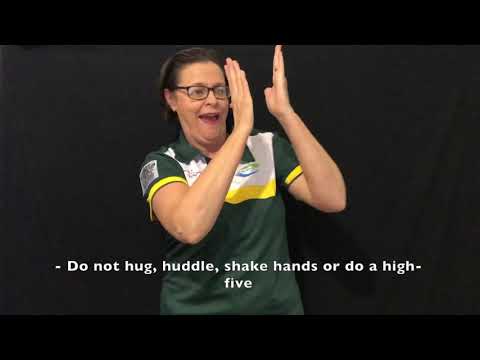
- Start with both hands open, palms facing down.
- Position your hands about shoulder-width apart at chest level.
- Bring your hands slightly forward and downward while moving them apart, simulating the idea of a background spreading out.
- As you perform the movement, use a facial expression that indicates you are sharing important visual information, perhaps with raised eyebrows.
Common Mistakes
- Forgetting to use facial expressions, which are crucial in ASL for conveying meaning.
- Using a flat hand instead of an open hand, which can change the sign’s meaning.
- Not moving the hands apart enough, making the sign unclear.
Related Signs
- 1 – The sign for the number one.
- 1 Dollar – The sign for one dollar, often used in financial discussions.
- 10 – The sign for the number ten.
- 100 – The sign for the number one hundred.
- 11 – The sign for the number eleven.
Using “Background of the Shot” in Everyday Conversations
The sign “Background of the Shot” can be integrated into various conversations, especially those revolving around media production, photography, or storytelling. Here are a few examples:
- In a Film Class: “FILM CLASS, TEACHER ASK, BACKGROUND OF THE SHOT, IMPORTANT.” (In a film class, the teacher emphasizes the importance of the background in a shot.)
- Discussing a Photo: “PHOTO, FRIEND SHOW, BACKGROUND OF THE SHOT, BEAUTIFUL.” (When a friend shares a photo, you comment on how beautiful the background is.)
- Planning a Video: “WE PLAN VIDEO, BACKGROUND OF THE SHOT, SCENIC PARK.” (When planning a video, you suggest using a scenic park as the background.)
These examples show how the sign can connect discussions about visual elements in media and daily life, making it a valuable addition to your Auslan vocabulary.
Cultural Notes
In the Australian Deaf community, the use of “Background of the Shot” reflects a growing interest in visual storytelling and media production. Many Deaf individuals are actively involved in various creative fields, including filmmaking and photography. The sign serves not only as a practical term but also as a bridge to discussions about representation and the importance of visual context in storytelling.
Additionally, variations in Auslan signs can occur between different regions. While “Background of the Shot” is generally understood across Australia, some Northern and Southern dialects may have subtle differences in how the sign is produced or incorporated into larger signed phrases. Engaging with local Deaf communities can enhance your understanding of these nuances.
Tips for Learning This Sign
Practicing the sign “Background of the Shot” can be both enjoyable and effective. Here are some tips to help you learn and remember it:
- Mirror Practice: Stand in front of a mirror to practice the sign. This allows you to see your hand shapes and facial expressions, which are crucial in Auslan.
- Watch for Non-Manual Features: Pay attention to facial expressions and body language while signing. These non-manual features add meaning and context to your signing.
- Create Short Sentences: Use “Background of the Shot” in simple sentences while practicing. For example, “BACKGROUND OF THE SHOT, IMPORTANT,” helps reinforce its meaning and use.
Incorporating these strategies into your learning routine can help solidify your grasp on this essential sign and enhance your overall Auslan skills.
Frequently Asked Questions
How do I use “background of the shot” in a sentence?
You can use it like this: “The background of the shot is too busy.” This helps convey your thoughts about a visual composition.
Are there regional variations of this sign?
Yes, some regions may have slight variations in the movement or handshape, so it’s good to observe local signers.
What are some similar signs?
Signs for ‘foreground’ and ‘subject’ are related and often used in similar contexts. It’s helpful to learn those as well.
How does this compare to BSL?
While BSL might have a different sign for “background,” both languages share similar concepts in visual communication, though they may differ in execution.
Any tips for teaching this sign?
Encourage students to practice in pairs, focusing on facial expressions and clarity of movement to enhance understanding.
Practice This Sign
Try signing Background Of The Shot In Auslan with your camera and get AI coaching on your handshape, movement, and location.
Free · No signup required