
Dance in Australian Sign Language (Auslan)
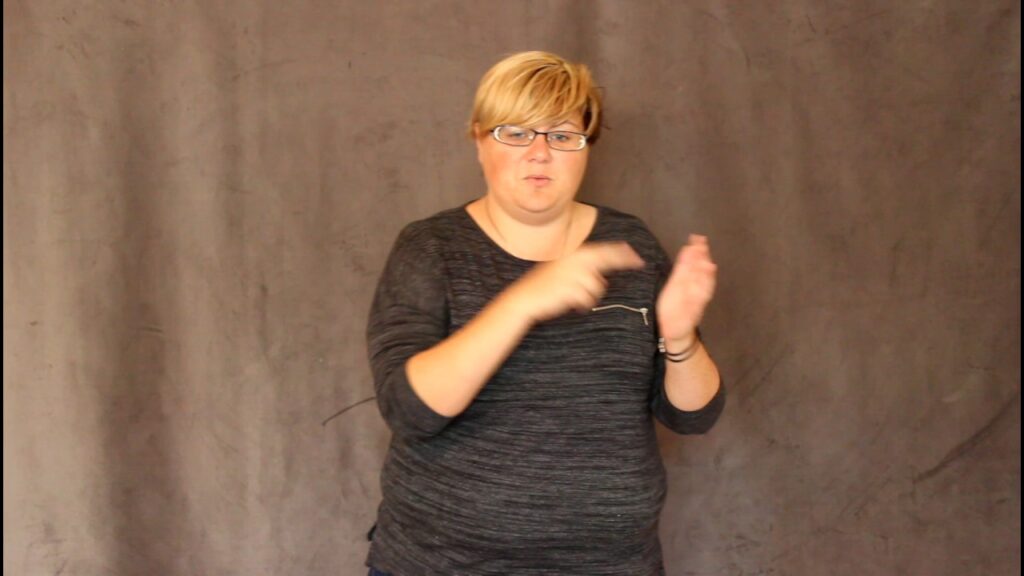
The sign for “dance” in Auslan is a vibrant expression that captures the joy and movement associated with dancing. It’s frequently used in social settings, celebrations, or when discussing music and dance styles. This sign embodies the energy and rhythm of dance, making it a fun addition to your vocabulary.
Table of Contents
How to Sign “Dance”
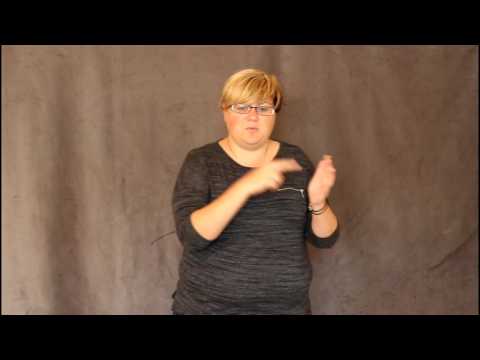
- Start with both hands in a relaxed open palm shape.
- Position your hands at waist level, about shoulder-width apart.
- Move your hands up and down in a slight bouncing motion to mimic the rhythm of dancing.
- As you perform the movement, smile and show enthusiasm on your face to convey the joyful essence of dancing.
Common Mistakes
- Forgetting to use facial expressions; a smile adds to the meaning of the sign.
- Using a stiff hand shape; keep your hands relaxed to better represent the fluidity of dance.
- Not incorporating body movement; include gentle swaying or bouncing to enhance the sign.
Related Signs
- 1 – The sign for the number one.
- 10 – The sign for the number ten.
- 100 – The sign for the number one hundred.
- 11 – The sign for the number eleven.
- 12 – The sign for the number twelve.
Using “Dance” in Everyday Conversations
The sign for “Dance” can be a vibrant addition to your conversations, especially when discussing hobbies, events, or social gatherings. Here are a few example sentences showcasing how to use this sign naturally:
- Sentence: “I love to dance at parties.”
Auslan Sign Order: “I LOVE DANCE PARTY.”
Situation: This might come up when talking with friends about your interests in social settings. - Sentence: “Are you going to the dance competition?”
Auslan Sign Order: “YOU GO DANCE COMPETITION?”
Situation: This could arise when discussing upcoming events in the community. - Sentence: “She dances beautifully.”
Auslan Sign Order: “SHE DANCE BEAUTIFUL.”
Situation: This is a great compliment to give someone after watching a performance.
Cultural Notes
In the Australian Deaf community, dance holds a special place, often featured in social gatherings and events such as Deaf festivals. These events not only provide entertainment but also foster a sense of belonging and cultural identity among Deaf individuals. Dance can be a form of expression and storytelling, where the rhythm and movement resonate with shared experiences within the community.
While “Dance” may be signed similarly across different regions, there can be subtle variations in the way it is expressed, particularly between northern and southern dialects of Auslan. Observing local signers can help you appreciate these differences and enrich your understanding of the language.
Tips for Learning This Sign
To effectively learn and remember the sign for “Dance,” consider these practical tips:
- Mirror Practice: Use a mirror to practice the sign, ensuring your movements are fluid and expressive. This will help reinforce muscle memory.
- Watch for Non-Manual Features: Pay attention to facial expressions and body language when signing “Dance.” These non-manual features convey enthusiasm and add depth to your communication.
- Use in Short Signed Sentences: Incorporate the sign into various contexts by creating simple sentences. This will help you become comfortable with its use and improve your overall signing skills.
Frequently Asked Questions
Can I use “dance” in a sentence?
Yes! You can say, “I love to dance,” by signing “I” (point to yourself), then the sign for “love,” followed by “dance.”
Are there regional variations for the sign?
Yes, some regions may have slight variations in the hand shape or movement. It’s always good to observe local Deaf community practices.
What are similar signs to “dance”?
Other signs that express movement include “play,” “run,” and “jump.” Each has its own unique motion and context.
How does this sign compare to BSL?
In BSL, the sign for “dance” may look different, with a distinct handshape and movement. Exploring both can enhance your understanding of different sign languages.
Any tips for teaching this sign?
Encourage learners to focus on rhythm and expression. Use music to help them feel the dance and incorporate their own movements.
Practice This Sign
Try signing Dance In Auslan with your camera and get AI coaching on your handshape, movement, and location.
Free · No signup required