
Polish (Shoes) in New Zealand Sign Language (NZSL)
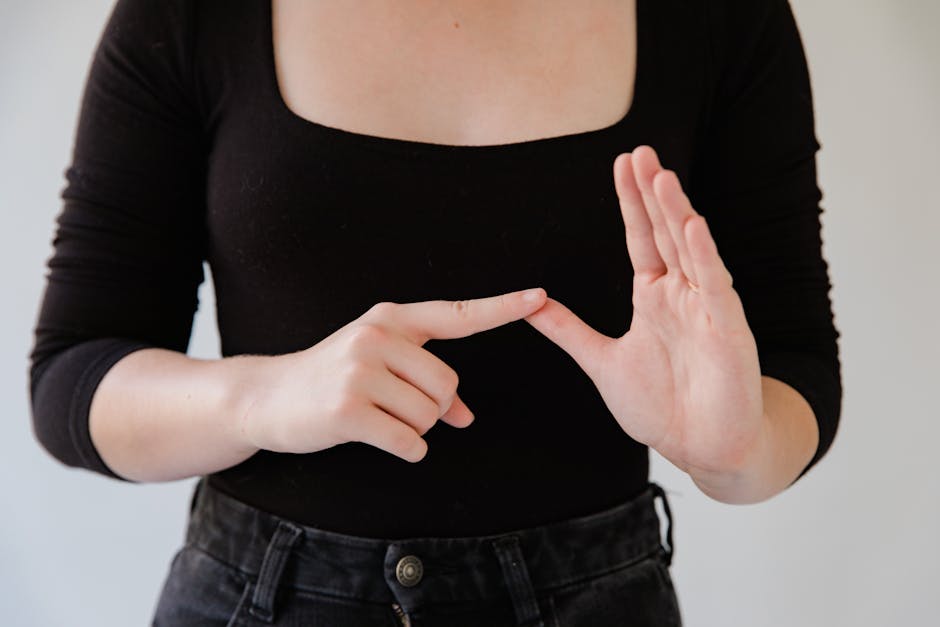
The sign for “polish (shoes)” refers to the act of shining or applying shoe polish to footwear, a common task in maintaining shoes. This sign is frequently used within the NZ Deaf community, particularly among those who enjoy keeping their shoes in good condition. It reflects not only a practical skill but also an aspect of personal grooming and cultural pride.
Table of Contents
How to Sign “Polish (Shoes)Shine Shoes, Shoe Polishparakenanoun; Verb” in NZSL
- Start with your dominant hand in a flat shape (similar to a “B” handshape), palm facing down.
- Position your hand over the shoe (or where a shoe would be), typically near the ground level.
- Move your hand in a circular motion as if you are polishing the shoe, maintaining the flat shape throughout the motion.
- Facial expressions should convey focus or concentration, indicating the action of polishing.
Common Mistakes
- Forgetting to maintain the flat handshape, which can confuse the sign with other similar actions.
- Using excessive movement or speed, which may make the sign less clear.
- Neglecting facial expressions, which are essential in conveying the correct context and meaning in NZSL.
NZSL vs ASL
In NZSL, the sign for “polish (shoes)” involves a distinct handshape and movement that may differ from the corresponding sign in American Sign Language (ASL). While both signs convey the same concept, the hand movements and shapes can vary significantly, reflecting the unique characteristics of each sign language and their cultural contexts.
Related Signs
- (All Of) You – A sign indicating a group or collective.
- (Baby’S) Dummy – Refers to a pacifier for infants.
- (Be) Careful – A sign conveying caution or awareness.
- (Be) Passive – Indicates a state of inaction or being receptive.
Frequently Asked Questions
Can you use this sign in a sentence?
Yes! You might say, “I polish my shoes every week,” using the sign for “polish” as part of that sentence.
Are there regional variations of this sign in NZ?
While the sign is generally consistent, some regional variations may exist, particularly in how emphatic the polishing motion is.
What is a similar sign to learn?
A similar sign is “shine,” which also involves a circular motion but may differ in handshape and context.
What tips do you have for learning this sign?
Practice in front of a mirror to ensure your handshape and movement are correct, and watch native signers for additional context.
How do facial expressions enhance this sign?
Facial expressions can show determination or focus, which adds meaning to the action of polishing shoes.
Can this sign be used in a group setting?
Definitely! It is useful when discussing shoe care with friends or in a workshop setting.
Practice This Sign
Try signing Polish (Shoes)Shine Shoes, Shoe Polishparakenanoun; Verb with your camera and get AI coaching on your handshape, movement, and location.
Free · No signup required