
Check Upāta Titiro(hia)noun; Verb in New Zealand Sign Language (NZSL)
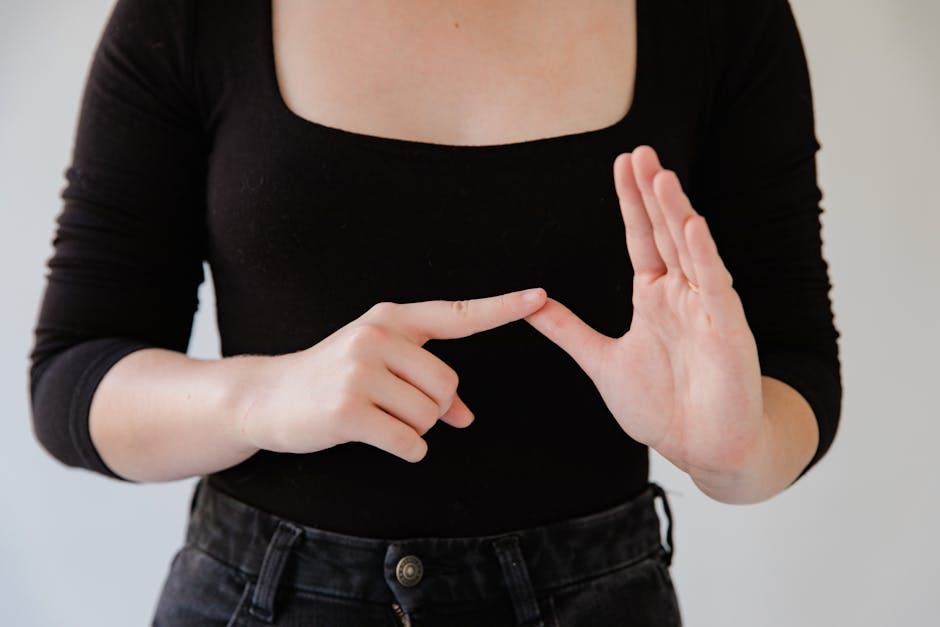
The sign “check upāta titiro(hia)” is used in NZSL to refer to the act of checking or inspecting something. This sign is commonly used in everyday conversations within the Deaf community in New Zealand, especially when discussing tasks that require verification or review.
Table of Contents
How to Sign “Check UpāTa Titiro(Hia)Noun; Verb” in NZSL
- Start with your dominant hand in a flat handshape (like a ‘B‘ handshape) facing downwards.
- Position your hand at about chest level, slightly in front of your body.
- Move your hand forward in a small, quick motion while keeping it flat. This movement represents the action of checking.
- As you perform the movement, maintain a focused facial expression, showing concentration or curiosity.
- Finish the sign by returning your hand to the original position and maintaining eye contact to emphasize the importance of the action.
Common Mistakes
- Rushing the movement can lead to confusion; take your time to ensure clarity.
- Forgetting to use facial expressions can make the sign less effective; facial cues are essential in NZSL.
- Using the wrong handshape; ensure the hand remains flat throughout the sign.
NZSL vs ASL
In NZSL, “check upāta titiro(hia)” is performed with a flat handshape and a specific movement that emphasizes the act of checking. In contrast, ASL may use different handshapes and movements to convey similar meanings. Each sign reflects the unique characteristics and cultural aspects of its respective sign language.
Related Signs
- (All Of) You – Used to refer to a group of people.
- (Be) Careful – Signifying the need for caution.
- (Be) Born, (Give) Birth – Discussing the act of giving birth.
- (Baby’S) Dummy – Referring to a baby’s pacifier.
- (Be) Passive – Indicating a state of passivity.
Frequently Asked Questions
How can I use “check upāta titiro(hia)” in a sentence?
You can say, “I need to check upāta titiro(hia) the documents before submission.”
Are there regional variations for this sign across New Zealand?
Most regions use the same sign, but slight variations in execution may occur based on local dialects within the Deaf community.
What are some similar signs in NZSL?
Similar signs include “look” and “inspect,” which convey related actions but may differ in context and usage.
What tips do you have for learning this sign?
Practice in front of a mirror to ensure your handshape and facial expressions are correct. Observing fluent signers can also be very helpful.
Can I use this sign in a formal setting?
Yes, “check upāta titiro(hia)” is appropriate in both formal and informal settings when discussing verification or inspection.
What is the cultural significance of using NZSL?
Using NZSL respects the language and culture of the Deaf community in New Zealand, promoting inclusivity and understanding.
Practice This Sign
Try signing Check UpāTa Titiro(Hia)Noun; Verb with your camera and get AI coaching on your handshape, movement, and location.
Free · No signup required