
Police in New Zealand Sign Language (NZSL)
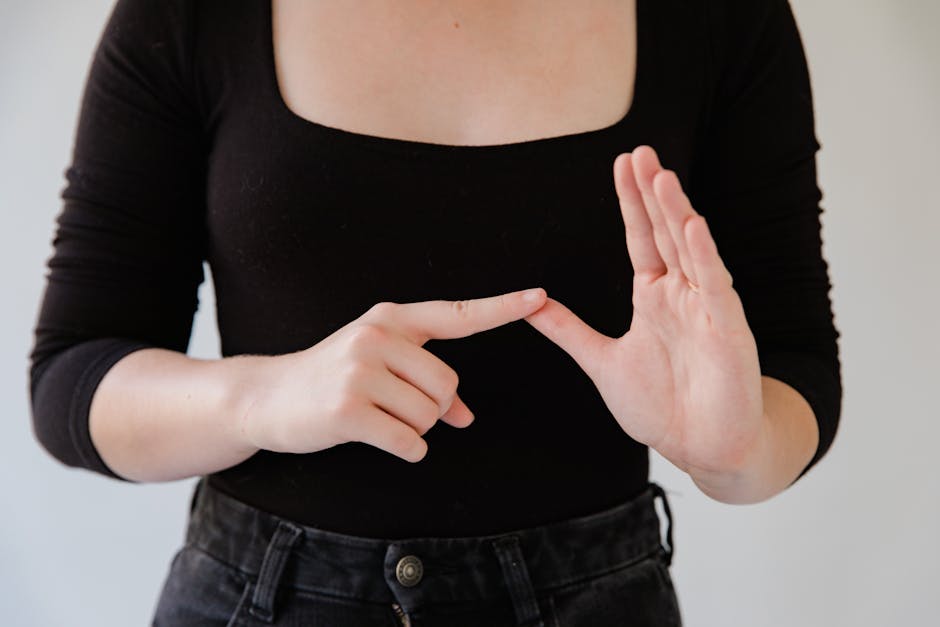
The sign for “policecop, police officer, policeman, policewoman (pirihimana, ture)” is an important term within the NZ Deaf community, representing those who serve and protect. This sign is commonly used in conversations about law enforcement, safety, and community interactions with police. Understanding this sign can enhance communication and foster connections within the community.
Table of Contents
How to Sign “Policecop, Police Officer, Policeman, Policewomanpirihimana, Turenoun” in NZSL
- Start with your dominant hand in a ‘C’ shape, mimicking the shape of a police badge.
- Position your hand at chest height, slightly to the left side of your body.
- Move your hand outward in a small arc, away from your body, while maintaining the ‘C’ handshape.
- Facial expression should be neutral or serious, reflecting the authority associated with the role.
Common Mistakes
- Forgetting to use the correct handshape; some learners may use a flat hand instead of a ‘C’ shape.
- Not maintaining proper eye contact or facial expressions, which can lead to misunderstandings about the sign’s meaning.
- Moving the hand too far away from the body, which can distort the intended message.
NZSL vs ASL
In NZSL, the sign for “police officer” uses a ‘C’ handshape, while in ASL, a different handshape (often a flat hand) is used. Additionally, the movement and facial expressions may vary, reflecting cultural nuances in how authority is conveyed in each sign language.
Related Signs
- (All Of) You
- (Be) Careful
- (Baby’s) Dummy
Frequently Asked Questions
How can I use “police officer” in a sentence?
You can say, “The police officer helped me,” by signing “POLICE OFFICER” followed by the sign for “HELP.”
Are there regional variations for this sign in New Zealand?
While the sign is generally consistent, some regions may have slight variations in movement or handshape, influenced by local Deaf culture.
What are similar signs to “police officer”?
Signs like “security guard” or “lawyer” are related, as they also involve law enforcement and legal professions.
What tips do you have for learning this sign?
Practice in front of a mirror to check your handshape and movement, and consider working with a Deaf mentor for feedback.
What is the difference between “police officer” and “security guard”?
The signs differ in handshape and movement, with “security guard” focusing on a protective stance rather than the authority of a police officer.
Can I use this sign in formal settings?
Yes, this sign is appropriate for both casual and formal conversations regarding law enforcement.
Practice This Sign
Try signing Policecop, Police Officer, Policeman, Policewomanpirihimana, Turenoun with your camera and get AI coaching on your handshape, movement, and location.
Free · No signup required