
Polish (variant, 2) in New Zealand Sign Language (NZSL)
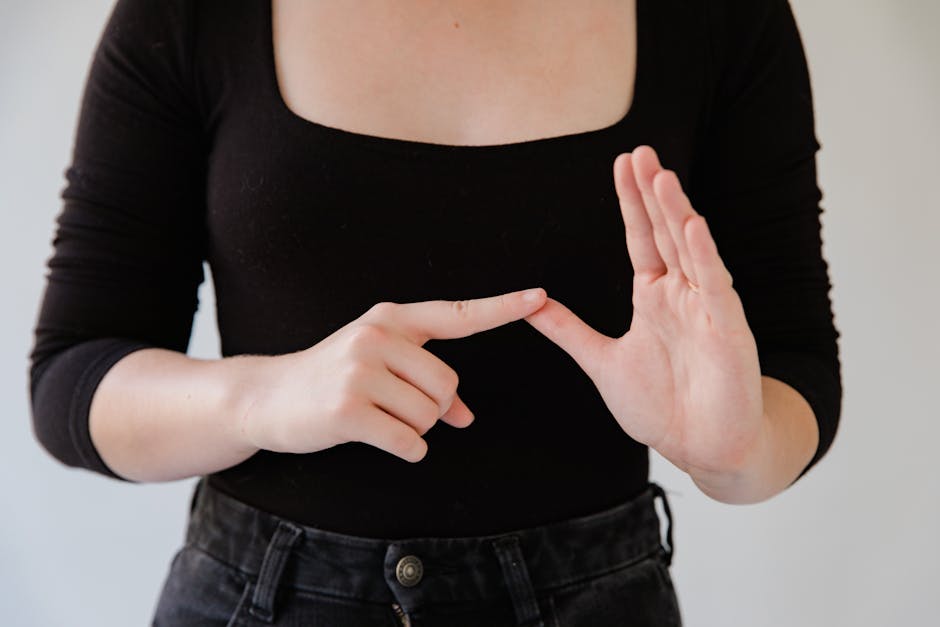
The sign “polishshinewhakapīrataverb” in NZSL refers to the action of polishing or shining an object, often used in contexts such as cleaning or making something look bright and new. This sign is commonly used in everyday conversations among the Deaf community in New Zealand, especially when discussing household tasks or maintaining personal items.
Table of Contents
How to Sign “PolishshinewhakapīRataverb” in NZSL
- Start with your dominant hand in a flat “B” handshape, palm facing down.
- Position your hand above the object you want to “polish” (for example, a table or a car).
- Move your hand in small, circular motions as if you are buffing the surface.
- While signing, maintain a focused facial expression to convey the action of cleaning or polishing.
- Optionally, you can shift your non-dominant hand into a flat “B” handshape to represent the object being polished.
Common Mistakes
- Using a fist instead of a flat hand, which can change the meaning of the sign.
- Making large, exaggerated movements rather than smaller, controlled circles.
- Neglecting facial expressions, which are important in conveying the intent of the sign.
NZSL vs ASL
In NZSL, the sign for “polishshinewhakapīrataverb” uses a specific flat handshape and circular motion to indicate polishing. In contrast, ASL may use different handshapes and movements, reflecting the unique structure and vocabulary of each sign language.
Related Signs
- (All Of) You – A sign used to refer to a group of people.
- (Baby’s) Dummy – Refers to a pacifier, commonly used for infants.
- (Be) Careful – A sign indicating caution or care in actions.
- (Be) Passive – Represents a state of inaction or receptiveness.
Frequently Asked Questions
How is “polishshinewhakapīRataverb” used in a sentence?
You might say, “I need to polish the table,” which can be signed as “I POLISH TABLE.”
Are there regional variations for this sign across New Zealand?
While the sign is generally consistent, some regions may have slight variations in handshape or movement.
What similar signs should I learn?
Learning signs like “clean” and “shine” can complement your vocabulary related to maintenance and care.
What are some tips for learning this sign?
Practice in front of a mirror to ensure correct handshape and movement, and pay attention to your facial expressions.
Is this sign used in different contexts?
Yes, it can be used both for physical objects and metaphorically for personal qualities, like polishing one’s skills.
How does this sign relate to te reo Māori?
In some contexts, you may hear Māori terms used alongside NZSL signs, enriching the cultural connection.
Can I use this sign in a formal setting?
Absolutely! This sign is appropriate for both casual and formal discussions about cleanliness and maintenance.
Practice This Sign
Try signing PolishshinewhakapīRataverb with your camera and get AI coaching on your handshape, movement, and location.
Free · No signup required