
Inch in New Zealand Sign Language (NZSL)
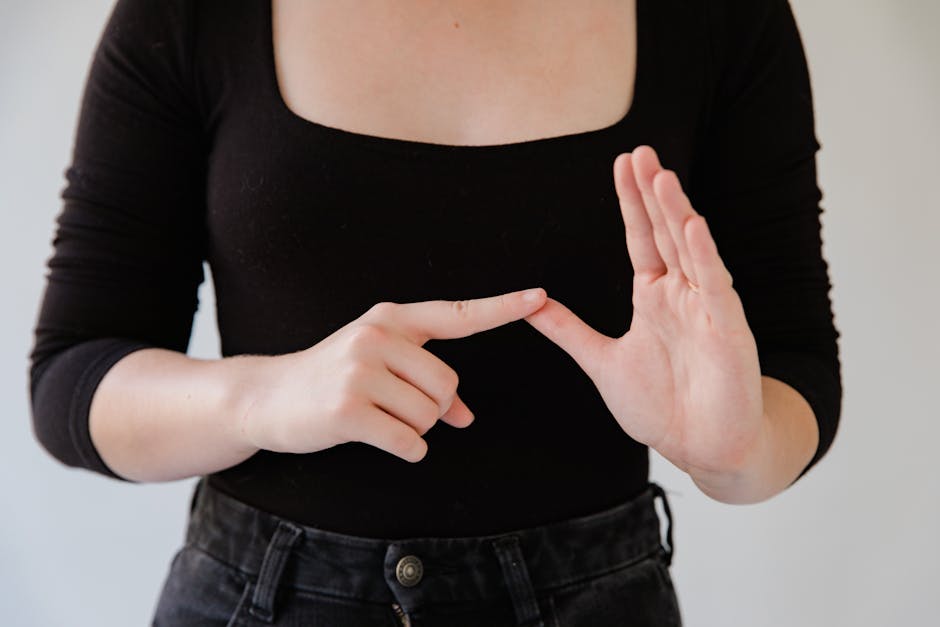
The sign “InchīNihinoun” in NZSL refers to a specific concept or object that is often used in everyday communication within the Deaf community. This sign showcases the uniqueness of NZSL, which became an official language of New Zealand in 2006, reflecting the rich cultural heritage of its users.
Table of Contents
How to Sign “InchīNihinoun” in NZSL
- Start with your dominant hand in a flat handshape, fingers extended together.
- Position your hand in front of your chest, with the palm facing away from you.
- Move your hand slightly forward and then make a small circular motion, keeping the handshape intact.
- Maintain a neutral facial expression during the movement to ensure clarity in communication.
Common Mistakes
- Using the wrong handshape; ensure your fingers are together and flat.
- Making the circular motion too large or exaggerated; keep it subtle.
- Forgetting to maintain appropriate eye contact and facial expressions, which are key in NZSL communication.
NZSL vs ASL
In NZSL, “InchīNihinoun” has a distinct sign that may not directly correlate with a sign in American Sign Language (ASL). While ASL may have a similar concept, the handshape and movement in NZSL are unique to New Zealand, reflecting local nuances and cultural expressions.
Related Signs
- (All Of) You – A sign used to refer to a group of people.
- (Baby’S) Dummy – Represents a pacifier commonly used for infants.
- (Be) Careful – A sign used to express caution.
- (Be) Born, (Give) Birth – Indicates the act of giving birth.
Frequently Asked Questions
Can “InchīNihinoun” be used in sentences?
Yes, you can incorporate “InchīNihinoun” into sentences to describe specific objects or actions related to it. For example, “I have an InchīNihinoun.”
Are there regional variations of this sign in NZ?
While “InchīNihinoun” is generally consistent across New Zealand, some regions may have slight variations in movement or emphasis.
What are some signs similar to “InchīNihinoun”?
Signs that convey related concepts may include “dummy” or “careful,” which can be used in different contexts.
What tips do you have for learning this sign?
Practice in front of a mirror to ensure your handshape and movement are accurate. Watching fluent signers can also be beneficial.
Is this sign commonly used in everyday conversation?
Yes, “InchīNihinoun” is frequently used among members of the Deaf community, especially in contexts related to parenting or childcare.
How does culture influence this sign?
The sign reflects cultural elements of the New Zealand Deaf community, integrating aspects of te reo Māori and local expressions.
Practice This Sign
Try signing InchīNihinoun with your camera and get AI coaching on your handshape, movement, and location.
Free · No signup required