
Sentences in Sign Language (ASL)
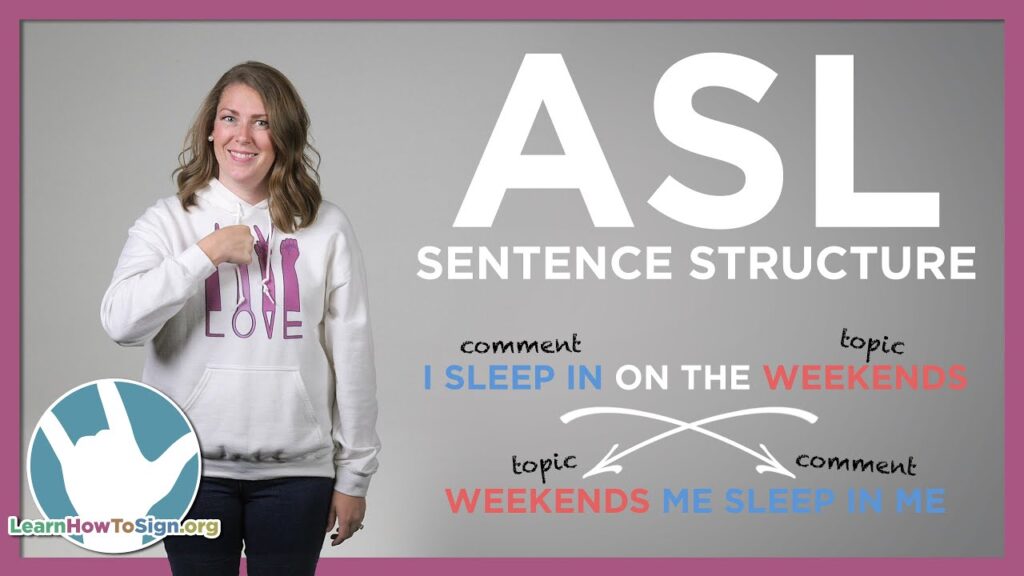
The sign “Sentences” refers to a connected sequence of words that express a complete thought. It is commonly used in educational contexts, conversations about language, and discussions of writing. “Sentences” can encompass various types of sentences, including statements, questions, commands, and exclamations, making it a versatile sign for many situations.
[VIDEO_PLACEHOLDER]
Table of Contents
How to Form the Sign “Sentences”
- Handshape: Start with both hands in a “5” handshape, fingers extended and spread apart.
- Location: Position your hands in front of your body at chest level, with the palms facing each other.
- Movement: Bring both hands together in a slight outward motion as if they are forming a barrier, then quickly pull them apart while maintaining the handshape. This motion mimics the act of constructing sentences.
- Non-manual signals: Raise your eyebrows slightly while performing the sign to indicate that you are discussing language or sentences. This facial expression adds emphasis to the topic being discussed.
The way you form “Sentences” involves both hand movement and facial expression, emphasizing the importance of construction and understanding in language. This sign captures the essence of how words come together to create meaningful phrases that communicate thoughts and ideas.
Using “Sentences” in Context
When incorporating the sign “Sentences” into your conversation, you might say:
- “I am learning how to write sentences.”
- “Can you give me some examples of sentences?”
- “This sentence is too long.”
In these examples, “Sentences” serves as a focal point of discussion, helping clarify what aspects of sentence structure or usage are being addressed. It can be used in both formal educational settings and casual conversations, making it an essential part of communication among those discussing language or writing.
Signs Related to “Sentences”
There are several related signs that can enhance your understanding of language concepts:
- Word – Refers to individual units of language.
- Phrase – Indicates a group of words that does not express a complete thought.
- Grammar – Discusses the rules that govern sentence structure.
- Question – Refers to a type of sentence that seeks information.
- Statement – Represents sentences that convey information.
Where This Sign Comes From
The sign “Sentences” originates from the need for Deaf individuals to communicate complex ideas about language. It reflects a blend of linguistic principles and the visual nature of ASL, demonstrating how concepts of written and spoken language can be represented in sign form. Understanding the cultural significance of language and communication among the Deaf community adds depth to the use of this sign.
Common Confusion with a Similar Sign
Some learners may confuse “Sentences” with the sign for “Sentence Structure.” While both signs deal with language, “Sentences” focuses on the complete thought conveyed through a series of words, whereas “Sentence Structure” addresses the grammatical arrangement of those words. Recognizing this difference is important for effective communication in educational discussions about language.
FAQ
What kind of sentences can I refer to with this sign?
Any type of sentence, including statements, questions, commands, or exclamations, can be referred to using the sign “Sentences.”
Can I use this sign in a classroom setting?
Yes, it is commonly used in educational settings, especially when discussing language, writing, or literacy.
What facial expressions should I use while signing?
Use raised eyebrows to indicate questioning or emphasis, enhancing the clarity and engagement of your signing.
Is this sign used differently in other regions?
While the sign is widely recognized, subtle variations may exist based on regional dialects within ASL. It’s always good to be aware of local signs.
How can I practice using this sign effectively?
Practice by constructing various sentences and incorporating the sign in conversations with others. Watching videos and practicing with peers can also help.
Practice ASL Signs
Use your camera to practice signs and get real-time AI feedback on your technique.
Free · No signup required