
Grandchild (Māori: mokopuna) in New Zealand Sign Language (NZSL)
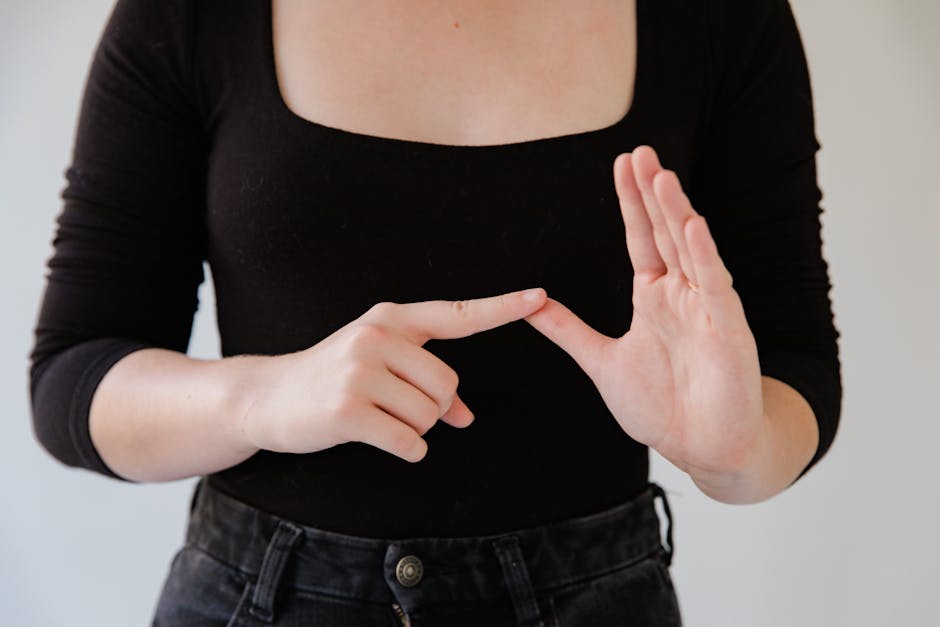
The sign “grandchild” in NZSL, or “mokopuna,” is used to refer to a person’s grandchild. This sign is commonly used in family contexts, especially when talking about family gatherings, celebrations, or simply sharing stories about the younger generation. It’s a warm and affectionate term that highlights the importance of family connections in the New Zealand Deaf community.
Table of Contents
How to Sign “Grandchildmokopunanoun” in NZSL
- Start with your dominant hand in a “flat hand” shape (the fingers extended and together) and palm facing towards you.
- Position your hand near your chin or cheek area, representing the idea of family.
- Move your hand outward and slightly away from your face, while maintaining the flat hand shape.
- Conclude the sign with a slight nod of your head to show affection and connection.
Common Mistakes
- Forgetting to use facial expressions, which are important in NZSL for conveying emotion and context.
- Using an incorrect handshape, such as a fist instead of the flat hand, which can change the meaning.
- Not making the movement fluid, leading to a stiff or unclear sign.
NZSL vs ASL
In NZSL, the sign for “grandchild” is distinct from American Sign Language (ASL). While ASL uses a different handshape and movement, NZSL incorporates unique cultural elements, reflecting the importance of family ties specific to New Zealand culture. This difference highlights the richness of NZSL as an indigenous language.
Related Signs
- (Baby’s) Dummy – A commonly used sign for referring to a pacifier for infants.
- (Be) Born, (Give) Birth – This sign is useful when discussing the birth of children.
- (Baby’s) Dummypacifiertāminoun – Another way to refer to a baby’s pacifier with a Māori influence.
Frequently Asked Questions
Can “mokopuna” be used for both grandchildren and grandchildren?
Yes, “mokopuna” can refer to both grandsons and granddaughters in NZSL.
Are there regional variations in signing “grandchild” across New Zealand?
While the sign is generally consistent, some regions may have slight variations in hand movement or facial expressions.
How can I use “mokopuna” in a sentence?
You can say, “My mokopuna loves to visit!” by incorporating the sign into a full sentence structure in NZSL.
What are some similar signs to “grandchild”?
Related signs include “child,” “parent,” and “family,” which help in discussing family dynamics.
What tips do you have for learning this sign?
Practice in front of a mirror and try to incorporate facial expressions for better clarity and emotion.
Practice This Sign
Try signing Grandchildmokopunanoun with your camera and get AI coaching on your handshape, movement, and location.
Free · No signup required