
Diagnose in New Zealand Sign Language (NZSL)

The sign for “diagnose” in NZSL is commonly used in medical contexts, particularly when discussing health conditions or the process of identifying illnesses. This sign is essential for healthcare communication within the Deaf community, allowing for clear and effective discussions about health matters.
Table of Contents
How to Sign “Diagnose” in NZSL
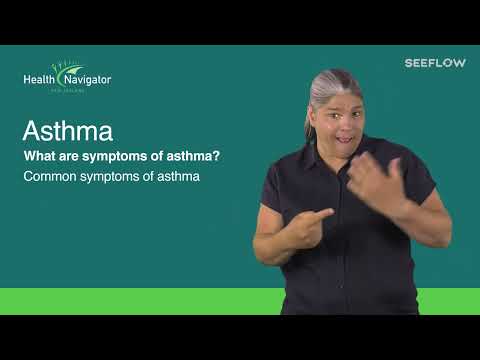
- Start with your dominant hand in a flat handshape (like a horizontal “B” hand). Position your hand in front of your chest.
- With your non-dominant hand, also in a flat handshape, place it next to your dominant hand, palm facing towards you.
- Move your dominant hand slightly forward while keeping both hands parallel. This motion can indicate the process of examining or assessing.
- Facial expressions are important; show a serious or thoughtful look to convey the diagnostic nature of the sign.
Common Mistakes
- Forgetting to use facial expressions, which are crucial for conveying the meaning and seriousness of the sign.
- Using a static handshape instead of the correct flat handshape, which can lead to confusion.
- Not maintaining the correct distance between the hands, which can affect the clarity of the sign.
NZSL vs ASL
In NZSL, the sign for “diagnose” differs from ASL. While ASL might have a more simplified version, NZSL incorporates additional movements and handshapes that reflect its unique linguistic features. The influence from British Sign Language (BSL) can also be seen in the structure of the sign.
Related Signs
- (Be) Born, (Give) Birth – Discusses the process of birth.
- (Be) Careful – A sign emphasizing caution, useful in health discussions.
- (Baby’s) Dummy – Related to infant health and care.
- (All Of) You – Can be used in patient discussions.
- (Be) Passive – Can describe a state relevant to health conditions.
Frequently Asked Questions
How can I use “diagnose” in a sentence?
You might say “The doctor will diagnose the illness” by signing “DOCTOR” + “DIAGNOSE” + “ILLNESS”.
Are there regional variations for this sign in New Zealand?
Most regions use a similar sign, but subtle variations in movement or facial expression may occur among different communities.
What is a similar sign to “diagnose”?
The sign for “assess” is related and often used in similar contexts, focusing on evaluation rather than diagnosis.
What tips can you give for learning this sign?
Practice in front of a mirror to refine your handshape and facial expression. Watching videos of native signers can also help.
Can “diagnose” be used in informal settings?
While primarily used in medical contexts, it can be used informally if discussing health conditions with friends or family.
How does this sign relate to cultural aspects of the Deaf community?
Effective communication about health is vital, reflecting the community’s focus on access to information and services.
Practice This Sign
Try signing Diagnose with your camera and get AI coaching on your handshape, movement, and location.
Free · No signup required