
Dustpan and Brush, Sweep (with Dustpan and Brush) in New Zealand Sign Language (NZSL)

The sign for “dustpan and brush, sweep (with dustpan and brush)” is commonly used in everyday conversations within the Deaf community in New Zealand. It conveys the action of cleaning up messes, whether at home, school, or in community spaces. This sign highlights the importance of cleanliness and organization in daily life.
Table of Contents
How to Sign “Dustpan And Brush, Sweep (With Dustpan And Brush)” in NZSL
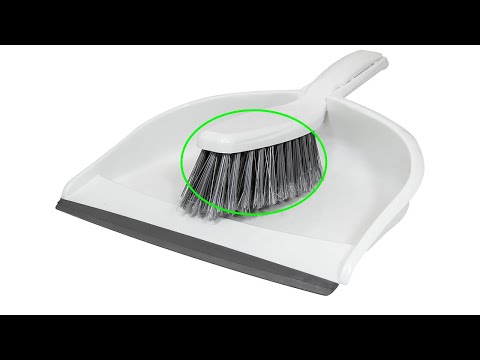
- Start with your dominant hand in a flat ‘B’ handshape (palm facing down). This will represent the dustpan.
- Place your non-dominant hand in a flat ‘B’ handshape as well, palm facing upwards, to represent the brush.
- Move your dominant hand (the dustpan) slightly forward and downwards as if scooping up dirt.
- Simultaneously, use your non-dominant hand to mimic the brushing motion, moving it in small, sweeping gestures towards the dustpan.
- Maintain a focused and determined facial expression to convey the action of cleaning.
Common Mistakes
- Forgetting to use both hands; it’s essential to represent both the dustpan and brush effectively.
- Using the wrong handshape—ensure both hands are in a flat ‘B’ shape to avoid confusion.
- Neglecting facial expressions, which are crucial for conveying the action and intent behind the sign.
NZSL vs ASL
In NZSL, the sign for “dustpan and brush, sweep” involves distinct flat handshapes for both tools, reflecting the tools’ forms. In contrast, ASL may use different handshapes or movements, highlighting the variations between the two sign languages influenced by their unique cultural contexts.
Related Signs
- Broom – Sign for the cleaning tool used alongside the dustpan.
- Clean – A sign to indicate tidiness or cleanliness.
- Sweep – The action of cleaning the floor using a broom or similar tool.
- Mop – The sign for another cleaning tool often used for floors.
- Garbage – Sign for waste, often the target of the sweeping action.
Frequently Asked Questions
How can I use this sign in a sentence?
You can say, “I will sweep the floor using the dustpan and brush” by signing the relevant phrases for ‘I’, ‘sweep’, and ‘dustpan and brush’ in sequence.
Are there regional variations for this sign in New Zealand?
While the core sign remains consistent, some regions may have slight variations in the movement or handshape based on local Deaf community preferences.
What is a similar sign to this one?
The sign for ‘broom’ is similar, as it also involves sweeping actions but focuses on the tool used for cleaning rather than the act with the dustpan.
What tips do you have for learning this sign?
Practice in front of a mirror to see your handshapes and movements. Engage with the Deaf community to get feedback on your signing.
Is there a sign for ‘cleaning supplies’?
Yes, you can combine the signs for ‘clean’ and ‘supplies’ to convey that concept effectively.
How do I teach this sign to children?
Make it fun! Use props like a dustpan and brush while demonstrating the sign, incorporating games or songs related to cleaning.
Practice This Sign
Try signing Dustpan And Brush, Sweep (With Dustpan And Brush) with your camera and get AI coaching on your handshape, movement, and location.
Free · No signup required