
Duvet, Quilt (Māori: papanga) in New Zealand Sign Language (NZSL)
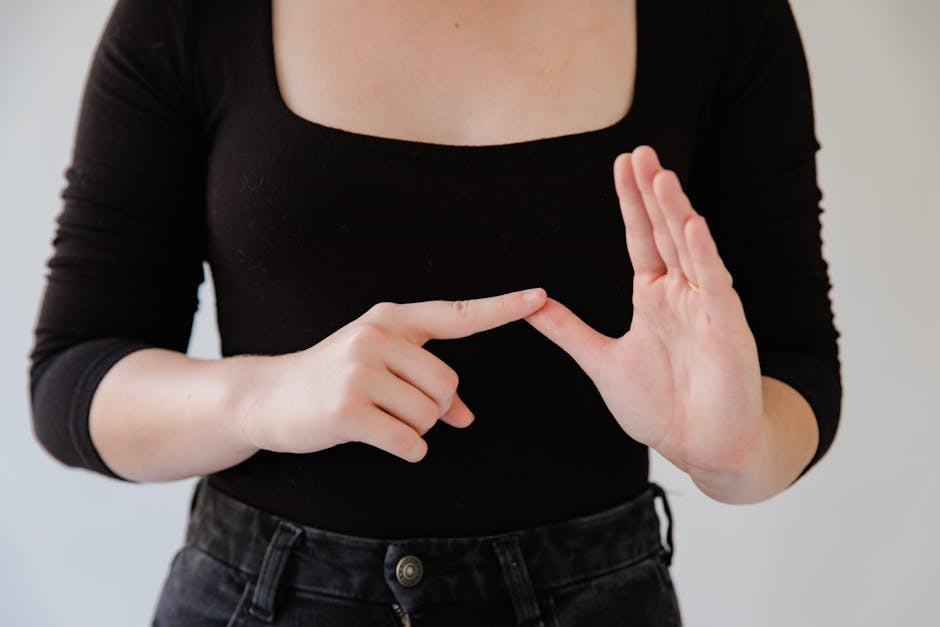
The NZSL sign for “duvet, quilt” refers to a type of bedding that is soft and cozy, often used for warmth during colder months. This sign is commonly used in conversations about home, comfort, and personal space within the New Zealand Deaf community.
Table of Contents
How to Sign “Duvetquiltpapangaruanoun” in NZSL
- Start with both hands open, palms facing down, and fingers spread wide.
- Position your hands slightly apart at chest height.
- Bring your hands together in a slight arc, as if you are gathering a soft blanket.
- As your hands come together, bend your elbows slightly, keeping your hands relaxed.
- Finish with a gentle downward motion, as if placing the duvet on a bed.
- Facial expressions should be soft and relaxed to convey comfort.
Common Mistakes
- Using a stiff hand shape instead of a relaxed one, which can make the sign look harsh.
- Not using facial expressions, which can make the sign less expressive and harder to understand.
- Inconsistent movement speed; ensure the movement is smooth and gentle to reflect the softness of a duvet.
NZSL vs ASL
In NZSL, the sign for “duvetquiltpapangarua” emphasizes the softness and comfort of the item, using a specific handshape and movement that reflects this. In contrast, ASL may use a different sign that does not incorporate the same nuances of movement or facial expression, often focusing more on the shape of the duvet itself rather than the comfort it provides.
Related Signs
- Bed – The place where you sleep, often associated with comfort.
- Blanket – A piece of fabric used for warmth, similar but not as specific as a duvet.
- Pillow – A soft cushion used to support the head while sleeping.
- Sleep – The act of resting, often associated with the use of a duvet or blanket.
- Warm – The feeling of heat, often connected to the comfort provided by bedding.
Frequently Asked Questions
How can I use “duvetquiltpapangarua” in a sentence?
You might say, “I love my duvetquiltpapangarua; it keeps me warm at night!” by signing the entire sentence.
Are there regional variations for this sign in New Zealand?
While this sign is generally understood across the country, some regions may have slight variations in the handshape or movement.
What is a similar sign I should learn?
The sign for Blanket is similar, and it’s helpful to know both for discussions about bedding.
What tips do you have for learning this sign?
Practice in front of a mirror to ensure your facial expressions match the comfort of the sign. Watching native NZSL users can also help.
Is this sign used in everyday conversation?
Yes, it is commonly used when discussing home comforts, especially in relation to sleep and bedding.
Can I use this sign in formal settings?
Yes, it is appropriate in both casual and formal contexts, especially when discussing personal space or comfort items.
How does this sign relate to te reo Māori?
The concept of comfort and warmth is also reflected in te reo Māori, which has its own unique signs and terms for bedding, enriching the cultural context.
Practice This Sign
Try signing Duvetquiltpapangaruanoun with your camera and get AI coaching on your handshape, movement, and location.
Free · No signup required