
Face to Face (variant, 2) in New Zealand Sign Language (NZSL)
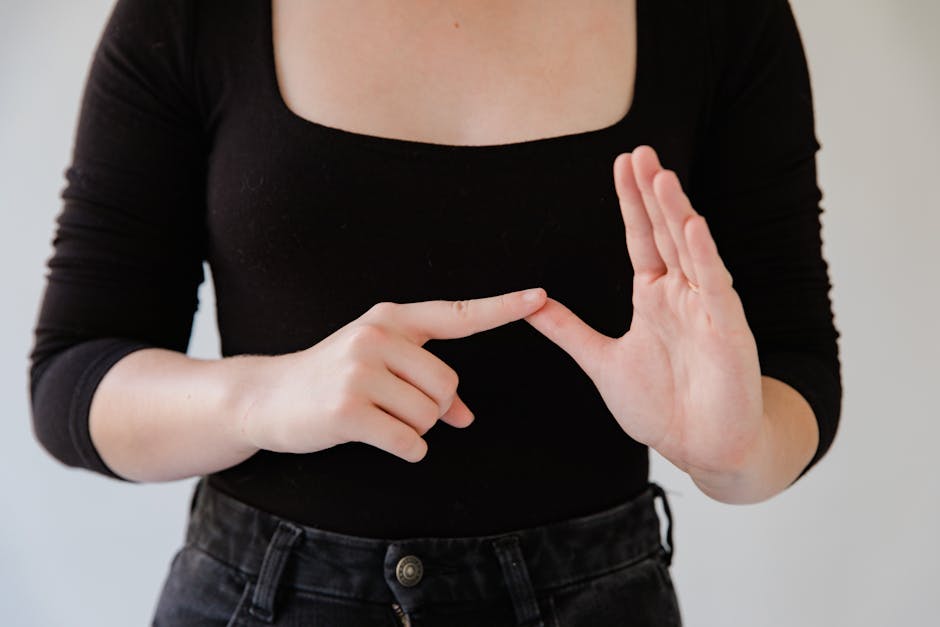
The sign “face to face” or “kanohi ki te kanohi” in NZSL is commonly used to describe in-person interactions or meetings. This phrase reflects the importance of direct communication within the Deaf community in New Zealand, emphasizing the value of personal connection. It is often used in various contexts, such as when making plans or discussing topics that require a more personal touch.
Table of Contents
How to Sign “Face To Facein Personkanohi Ki Te Kanohiadverb” in NZSL
- Start with both hands open and facing each other, approximately at chest height.
- Bring the hands closer together while maintaining the open handshape, representing two faces coming together.
- As you bring your hands closer, lean slightly forward to emphasize the connection.
- Maintain eye contact and show an engaging facial expression to convey warmth and openness.
Common Mistakes
- Forgetting to maintain eye contact, which is crucial in Deaf communication.
- Using a closed fist instead of an open hand, which can change the meaning.
- Rushing the sign; it’s important to convey the personal connection through movement and expression.
NZSL vs ASL
In NZSL, the sign for “face to face” emphasizes the importance of direct interaction, using both hands to represent the concept of personal connection. In contrast, ASL may have a different sign that conveys a similar idea but may not use hand shapes that visually represent faces. This highlights the unique features of NZSL and its cultural context.
Related Signs
- (All Of) You – A sign used to refer to a group of people.
- (Baby’S) Dummy – Refers to a pacifier used for infants.
- (Be) Careful – A sign that conveys caution.
Frequently Asked Questions
Can I use this sign in a sentence?
Yes! For example, you can say, “Let’s meet face to face (kanohi ki te kanohi) to discuss this.”
Are there regional variations for this sign in New Zealand?
While the sign is generally consistent, some regions may have slight variations in hand shapes or movements.
What are some similar signs in NZSL?
Similar signs include “meet” and “talk,” which also emphasize interaction.
What tips can help me learn this sign?
Practice in front of a mirror to see your hand shapes and facial expressions, and try to use it in conversations.
Is this sign culturally significant?
Yes! It reflects the value placed on direct communication and personal relationships within the Deaf community.
How can I improve my NZSL skills?
Engage with the Deaf community through events or classes, and practice regularly with peers.
Practice This Sign
Try signing Face To Facein Personkanohi Ki Te Kanohiadverb with your camera and get AI coaching on your handshape, movement, and location.
Free · No signup required